CASTELLO ARBOREO [IT]
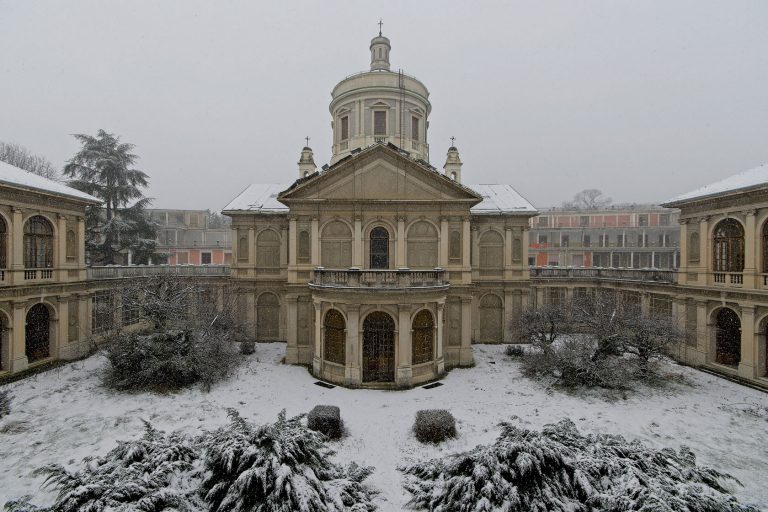
Exploration #225. A forgotten medieval castle in northern Italy probably began as a 14th-century fortified refuge. Reworked in the 15th century and later adapted as a noble residence, it preserves traces of Ghibelline battlements, older walls and a long history of feudal ownership.
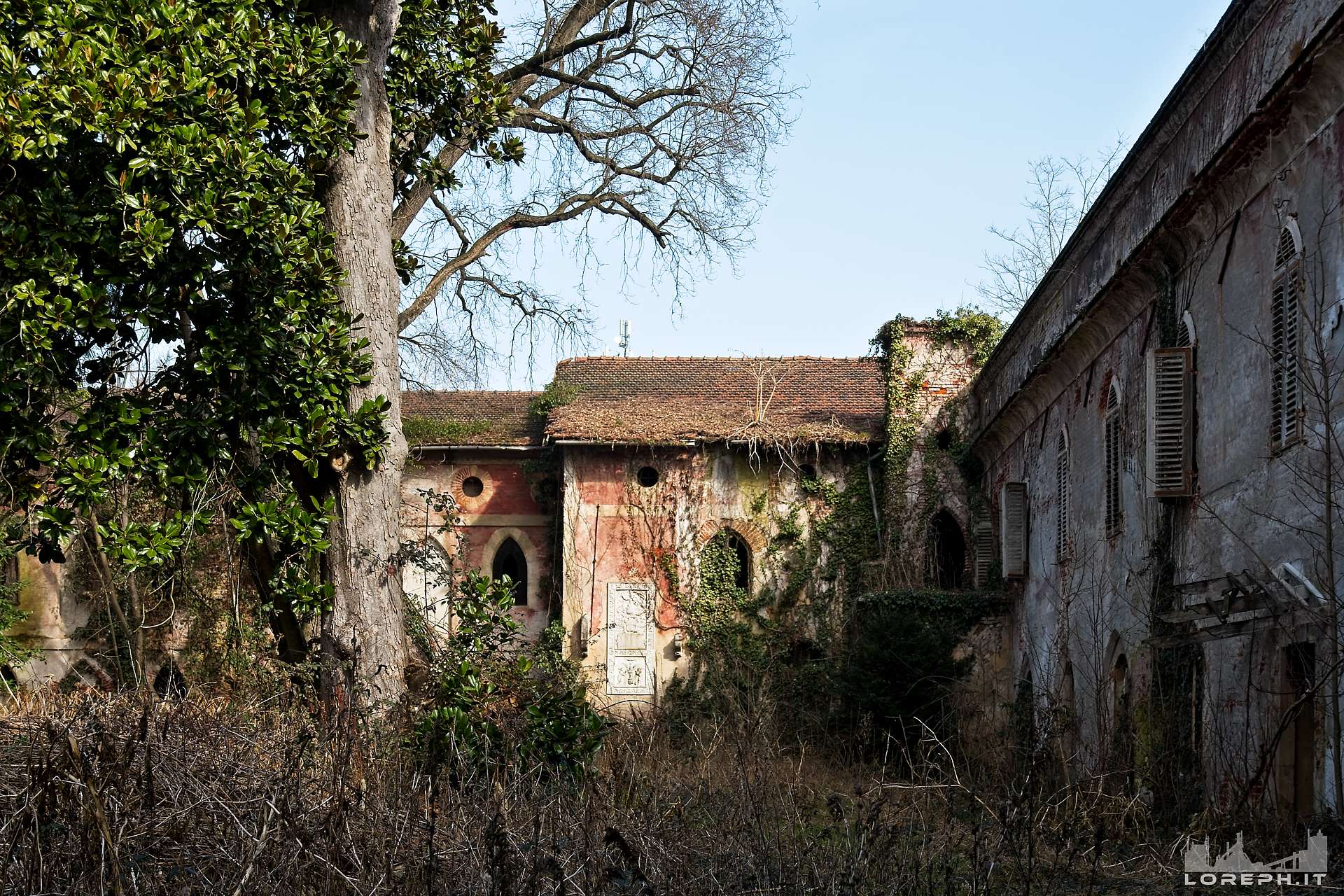
The present structure is difficult to read at first glance, because each century has overwritten the one before it. Behind later elevations, sections of swallow-tail battlements remain sealed inside the masonry, evidence of a defensive phase that may have belonged to a ricetto: a protected enclosure built to shelter people, goods and harvests.
Historical records connect the area to imperial and ecclesiastical power from the Middle Ages. Over time, the castle passed through the hands of bishops, communes and aristocratic families, reflecting the unstable political geography of northern Italy. Its original perimeter was likely defended by an embankment and a moat, while traces of nearby foundations suggest that a small settlement once stood close to the fortified core.
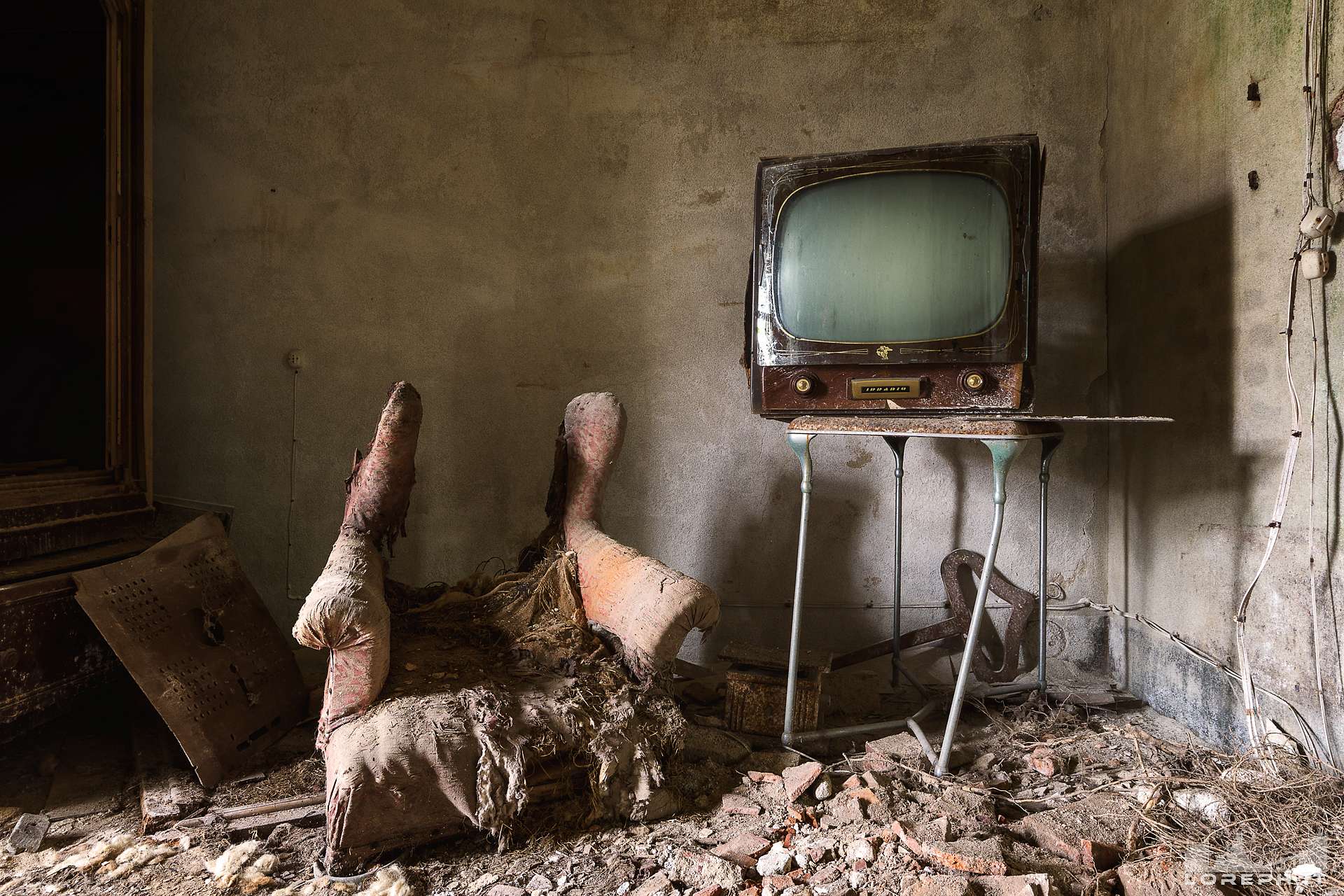
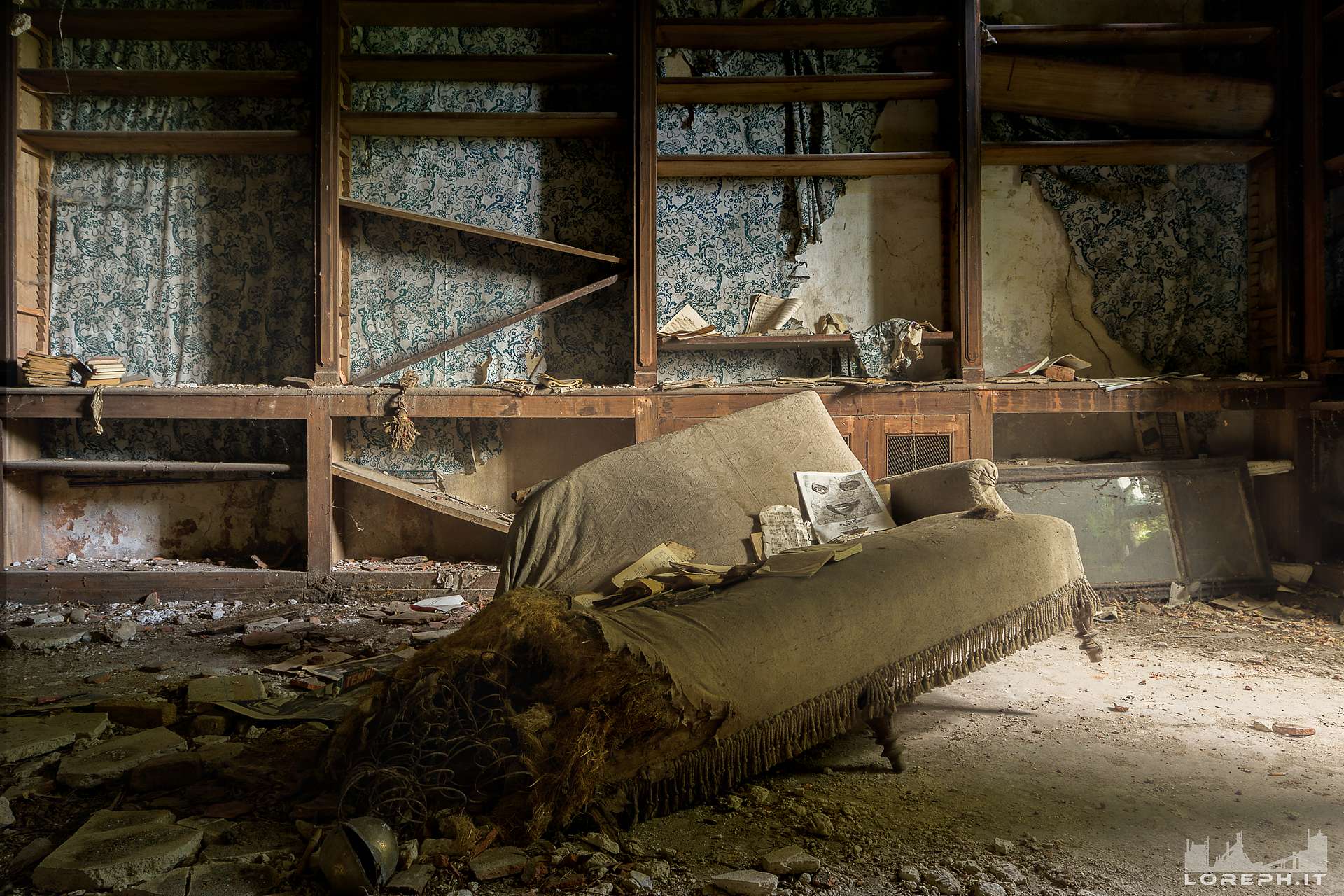
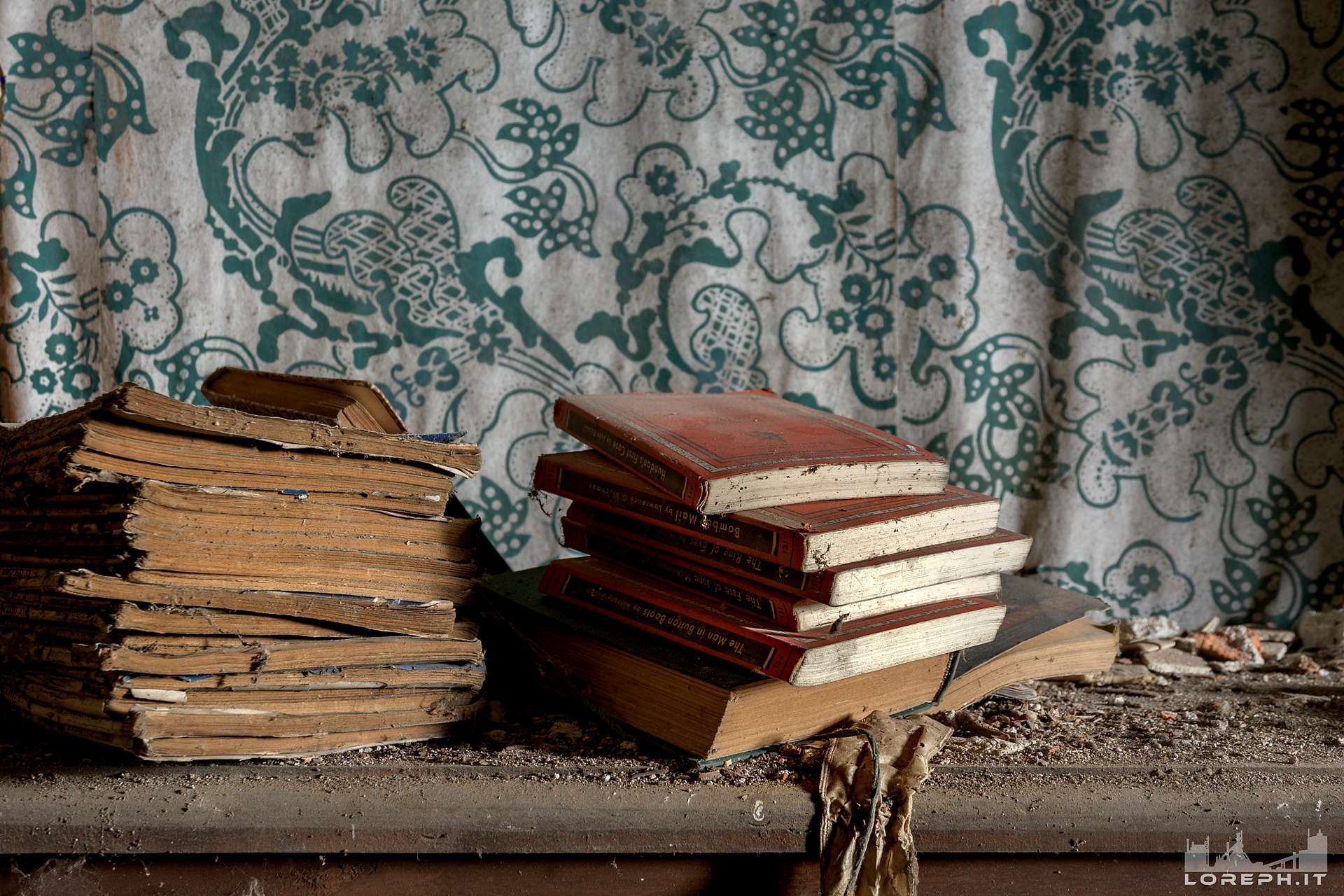
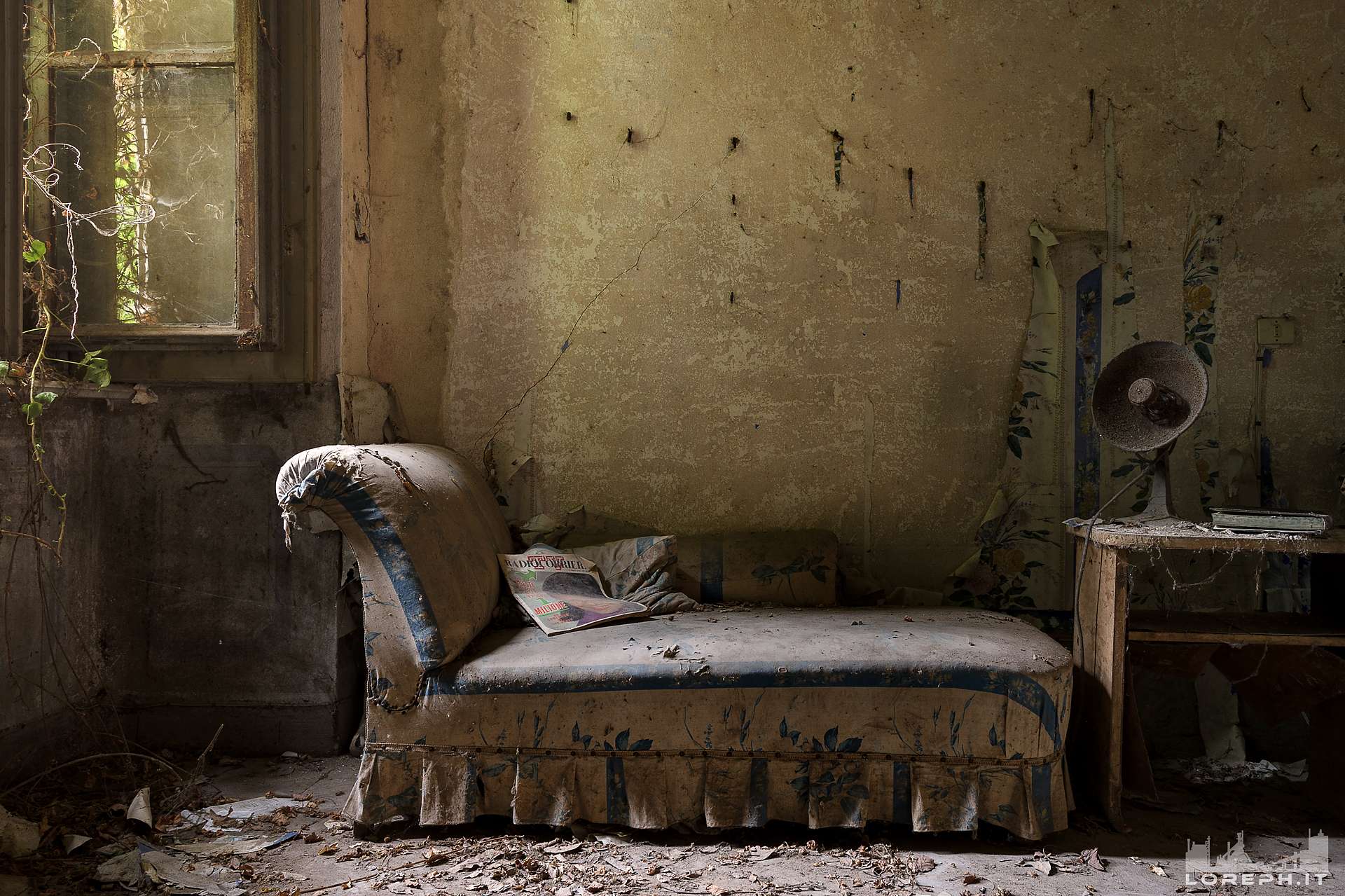
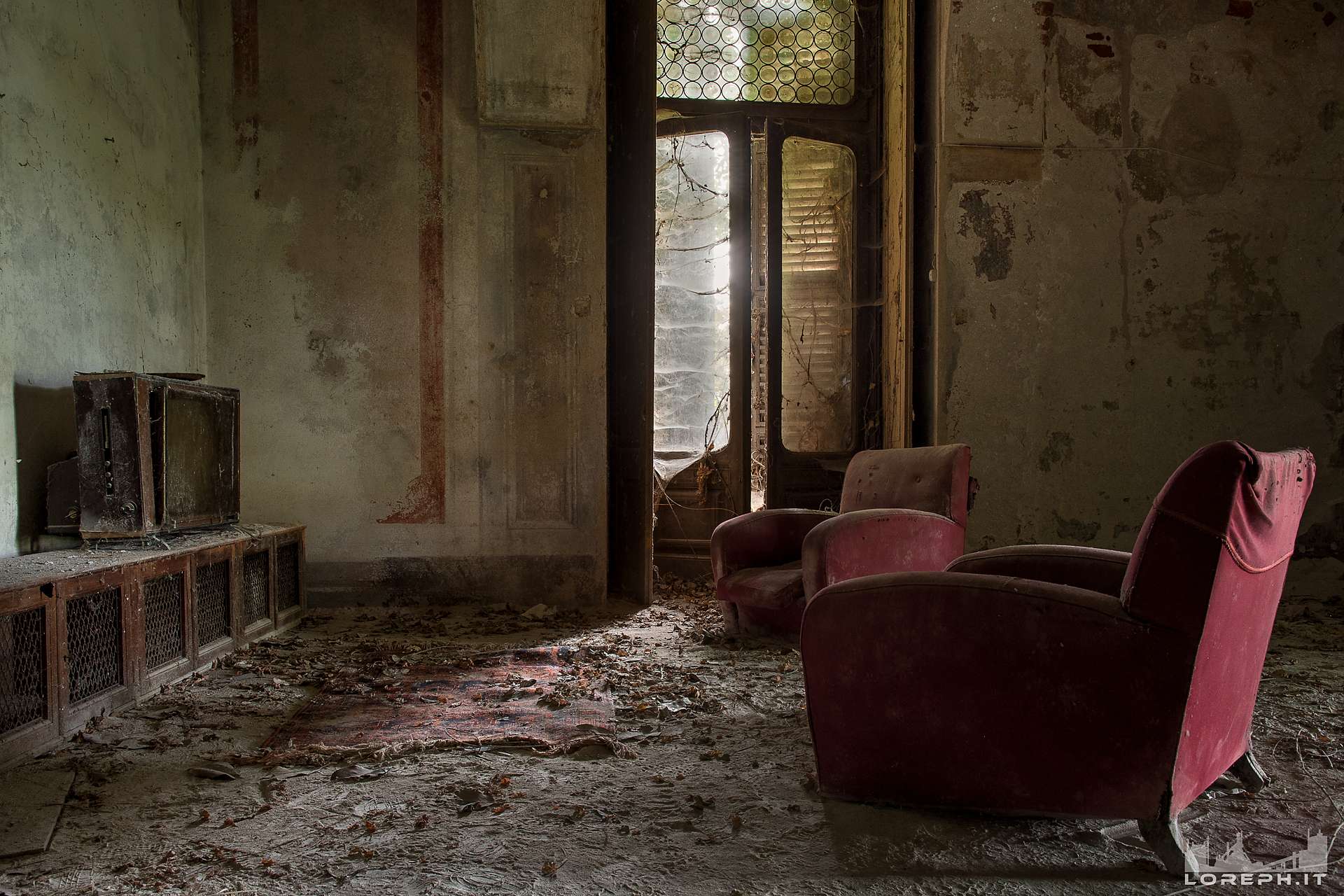
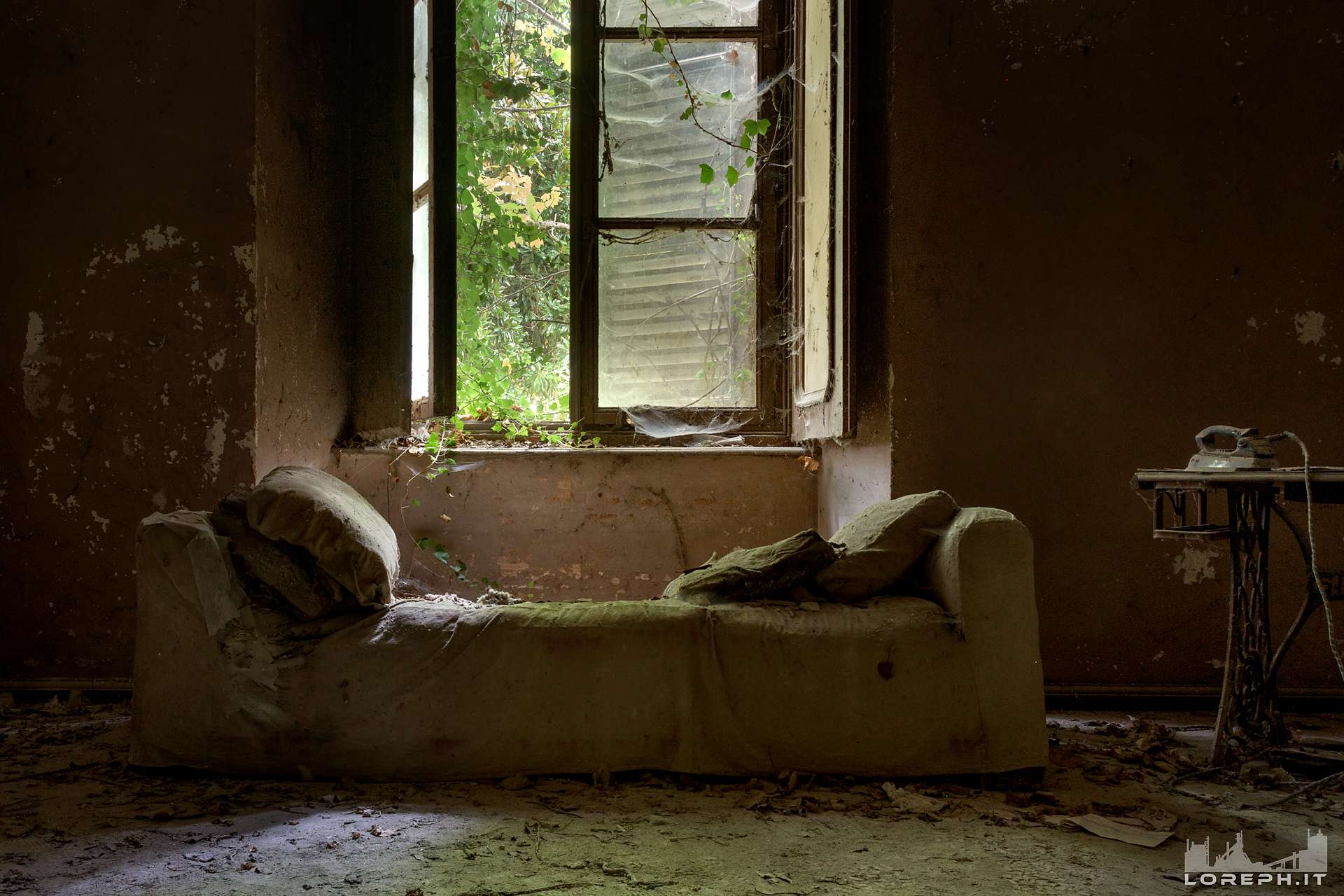
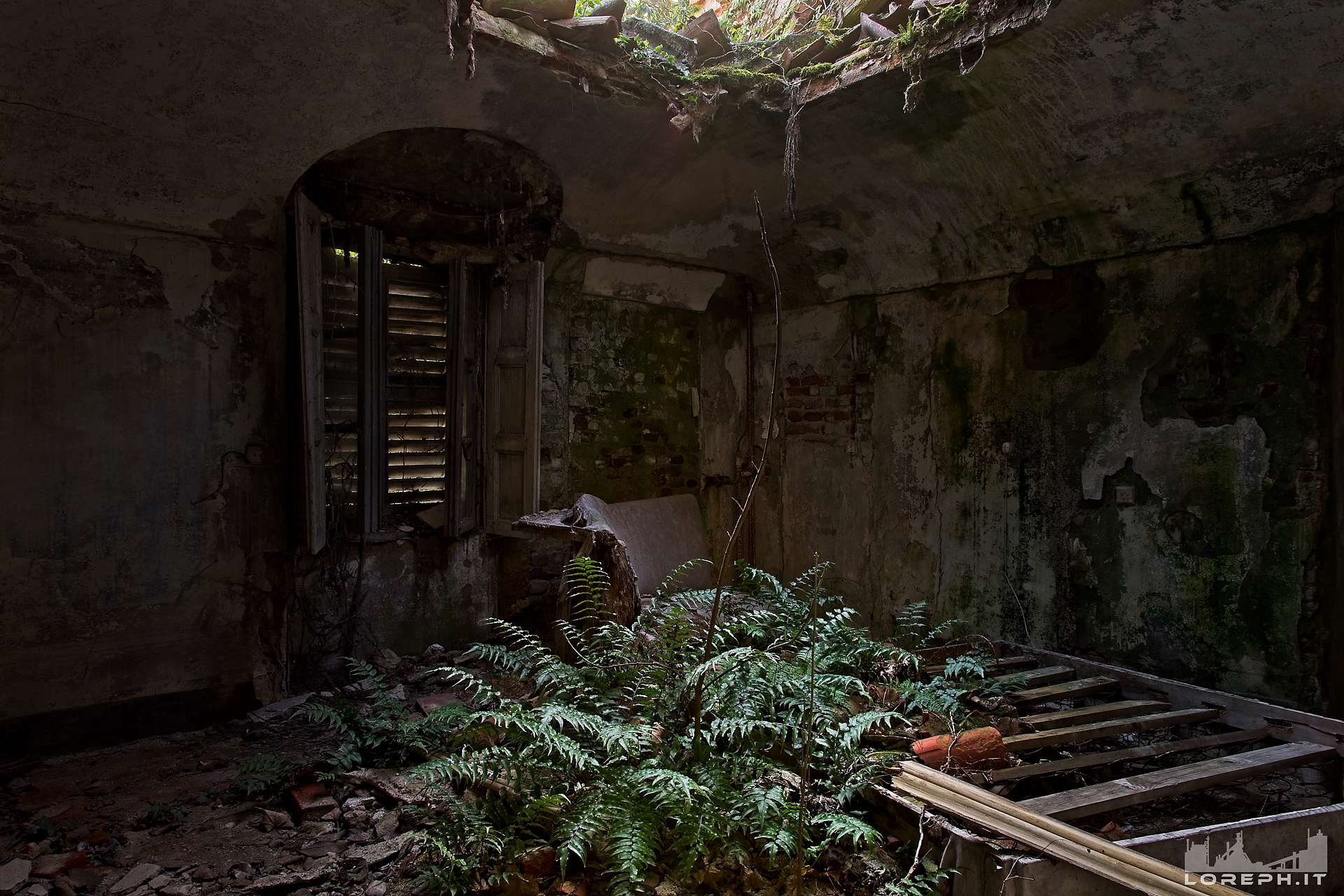
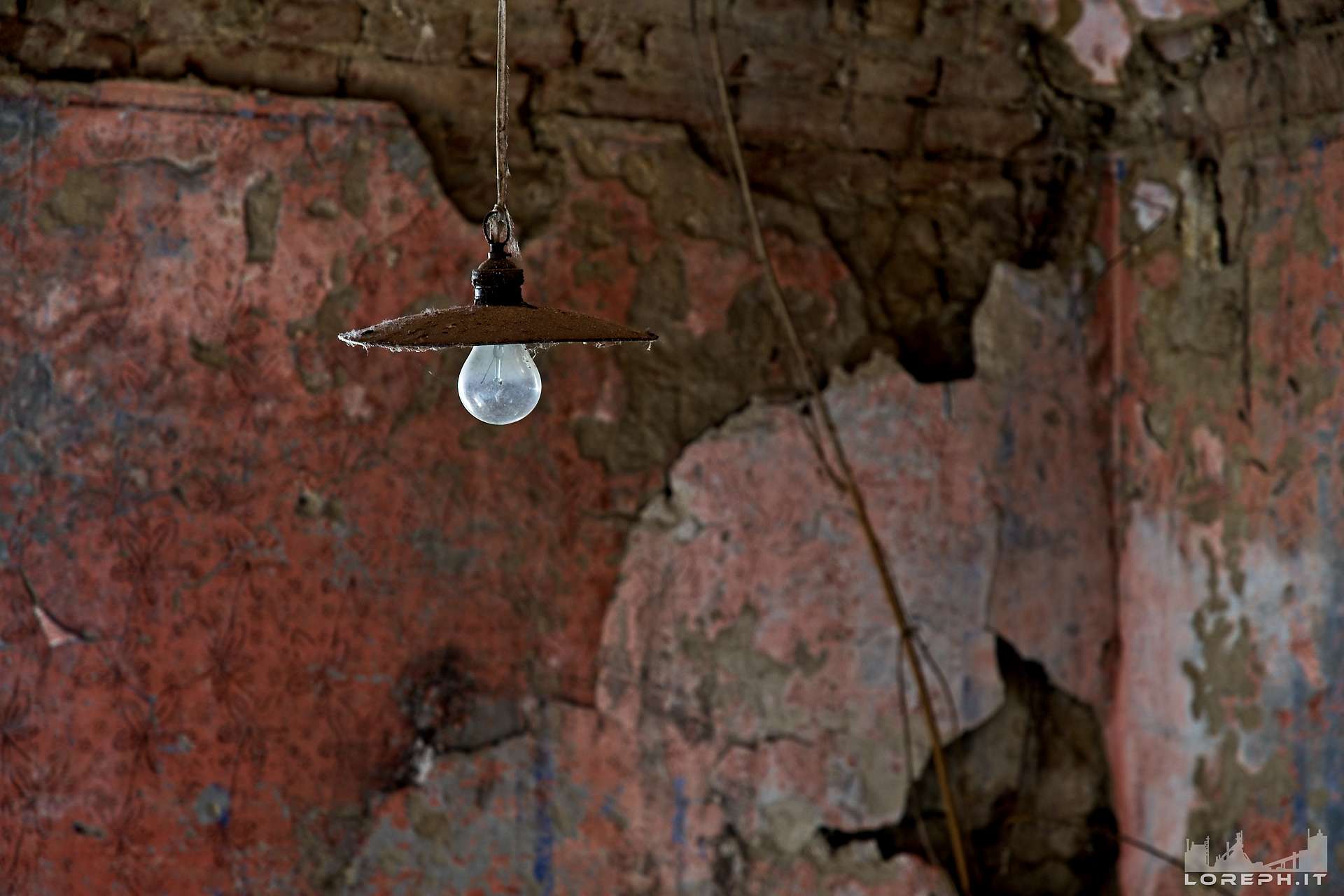
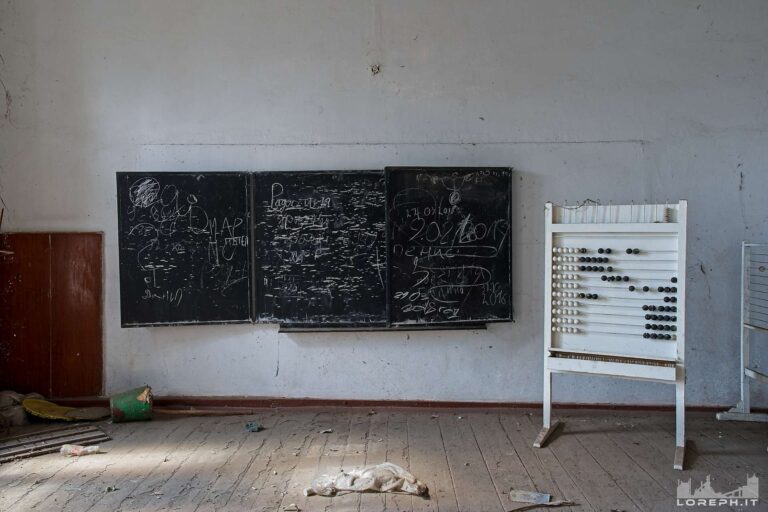
In the 15th century the building rose higher, losing part of its military clarity but gaining the scale of a more representative residence. Later owners reshaped it again, turning a defensive complex into a symbol of status. Today the abandoned halls, damaged walls and surviving tower leave a fragmented but powerful record of medieval defence, noble ambition and slow architectural decline.