IL VILLAGGIO DI SONDALO [IT]
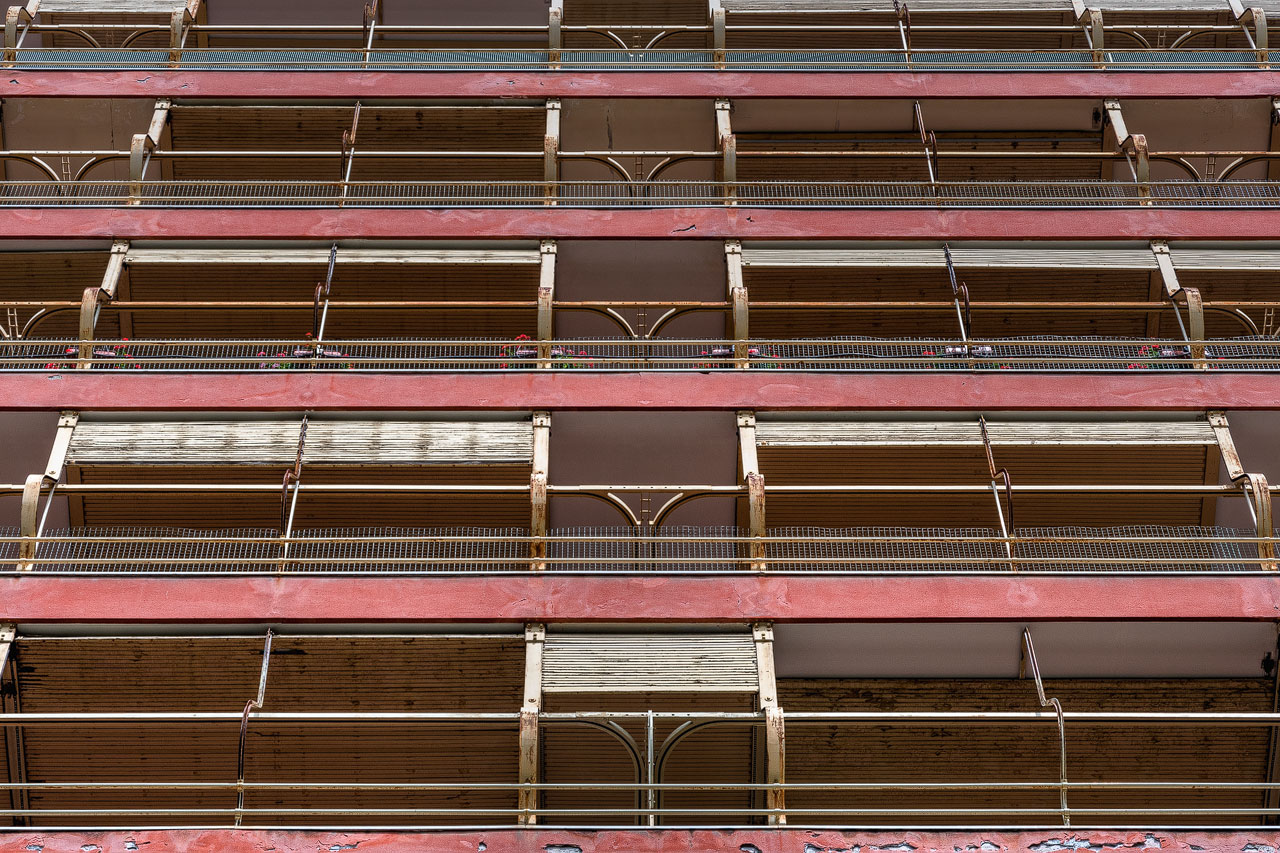
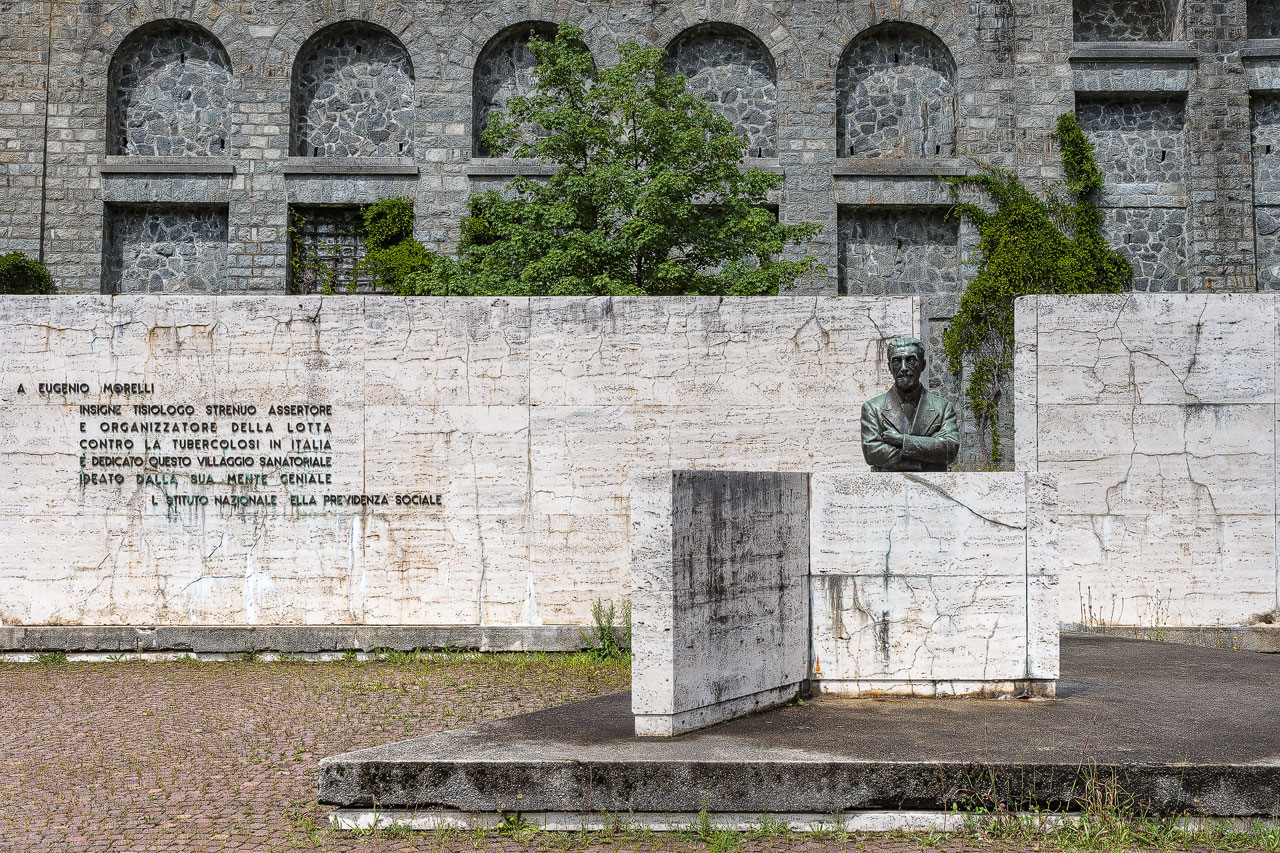
Exploration #64. In the first half of the 20th century, Italy, and many other countries, waged a real war against the worst disease of the time, tuberculosis, also called the ‘mal sottile’. Until the discovery of an effective drug in the second half of the 1950s, the only effective treatment was heliotherapy, practised in facilities called sanatoriums. Admission to sanatoria was also a form of isolation of the sick from the rest of the community, to prevent the risk of contagion. Sanatorium therapy was a palliative treatment to control symptoms and stimulate immune defences, through the triad “air – rest – food”. The locations for the construction of sanatoria had to be characterised by pure air, so many of these facilities were built along the Alps.
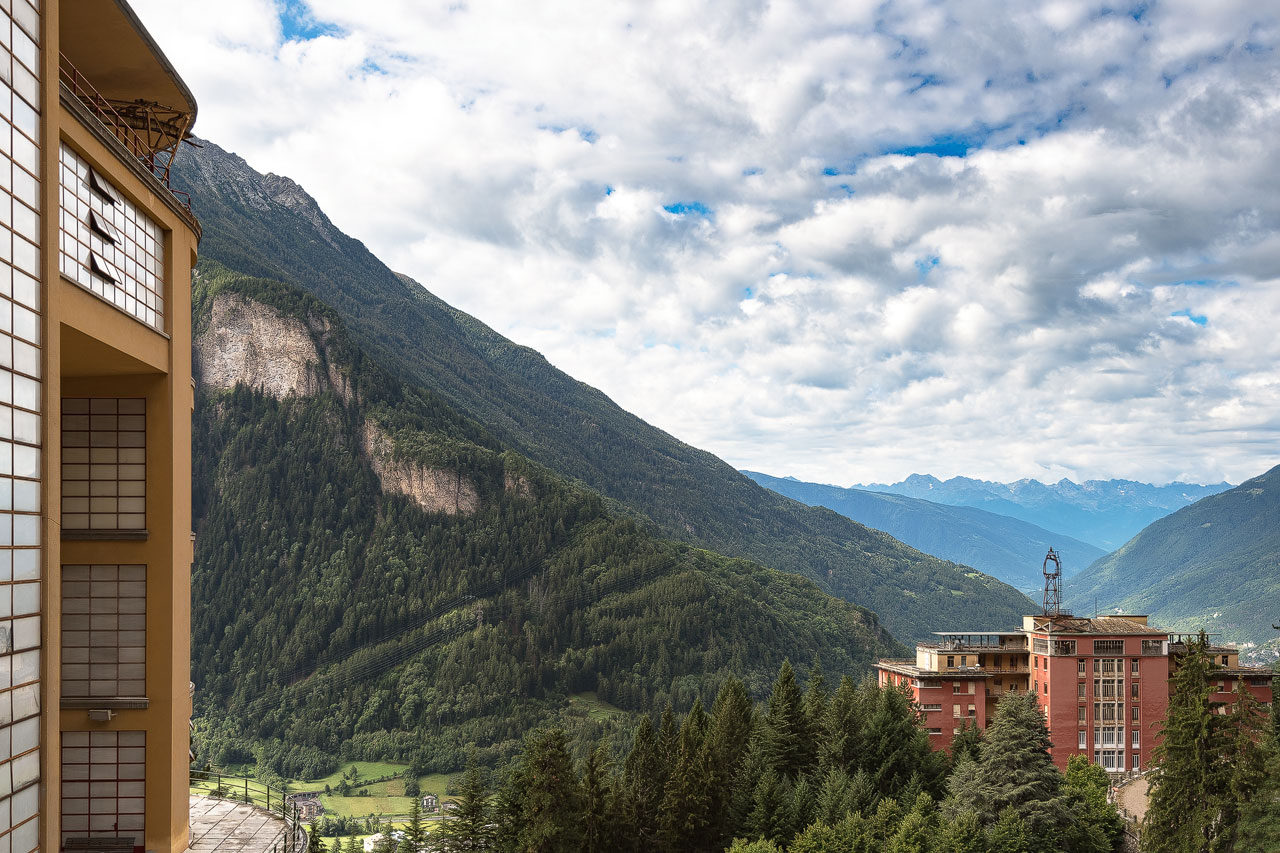
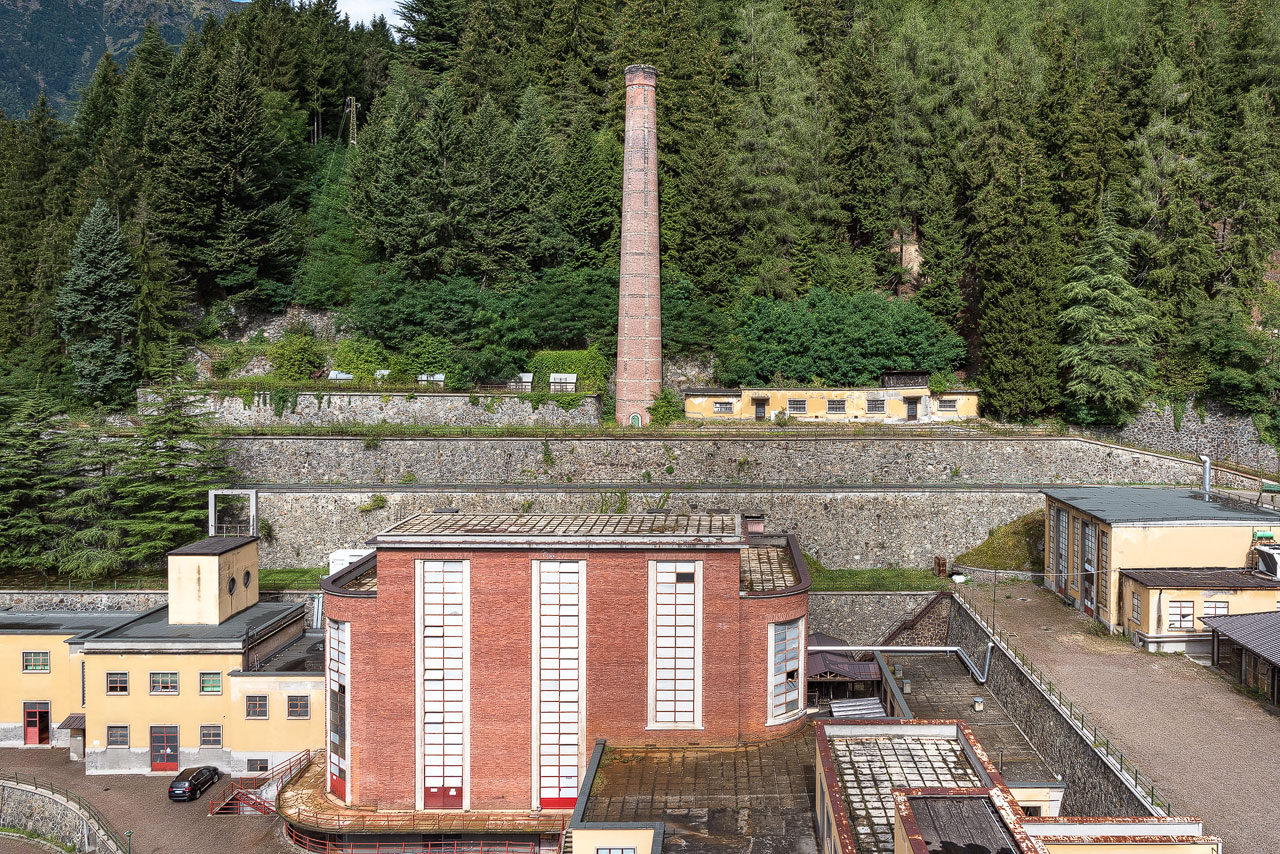
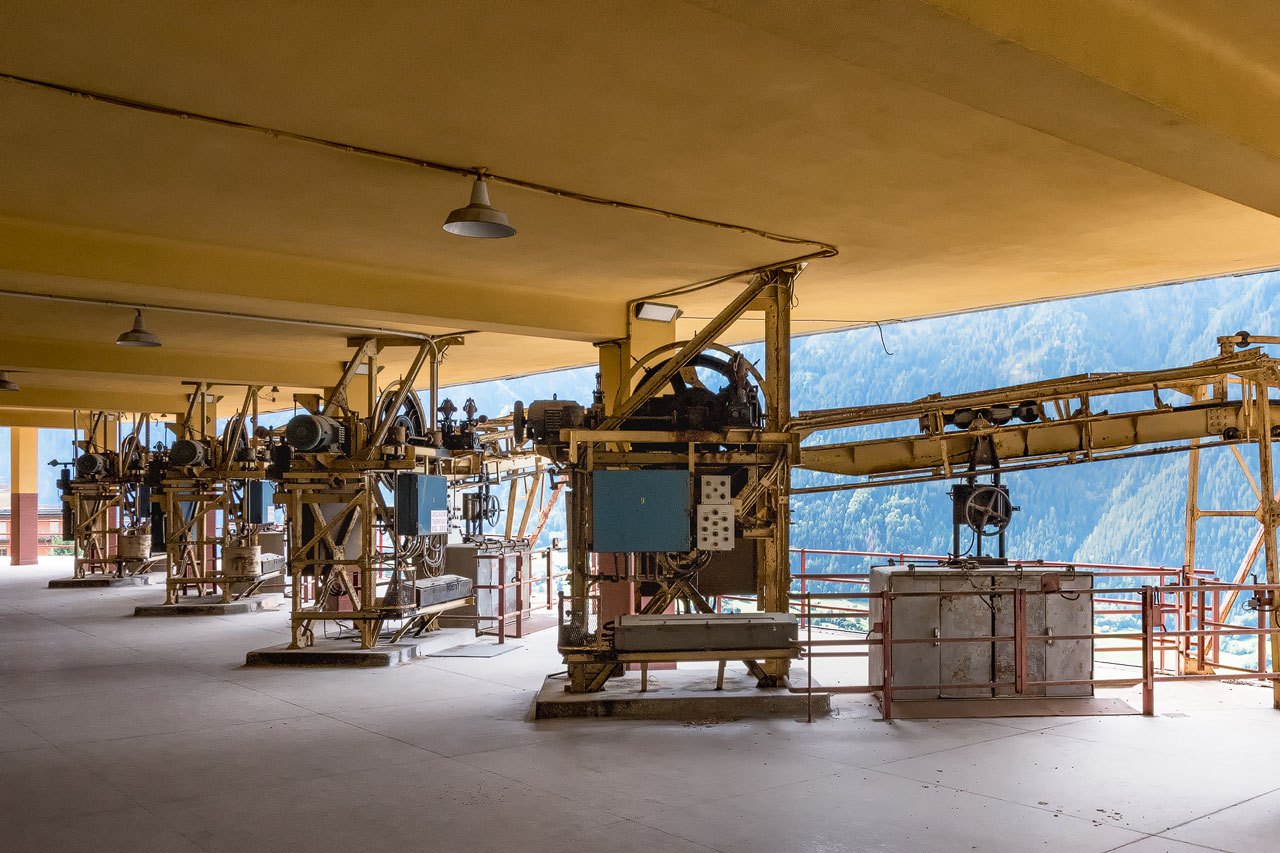
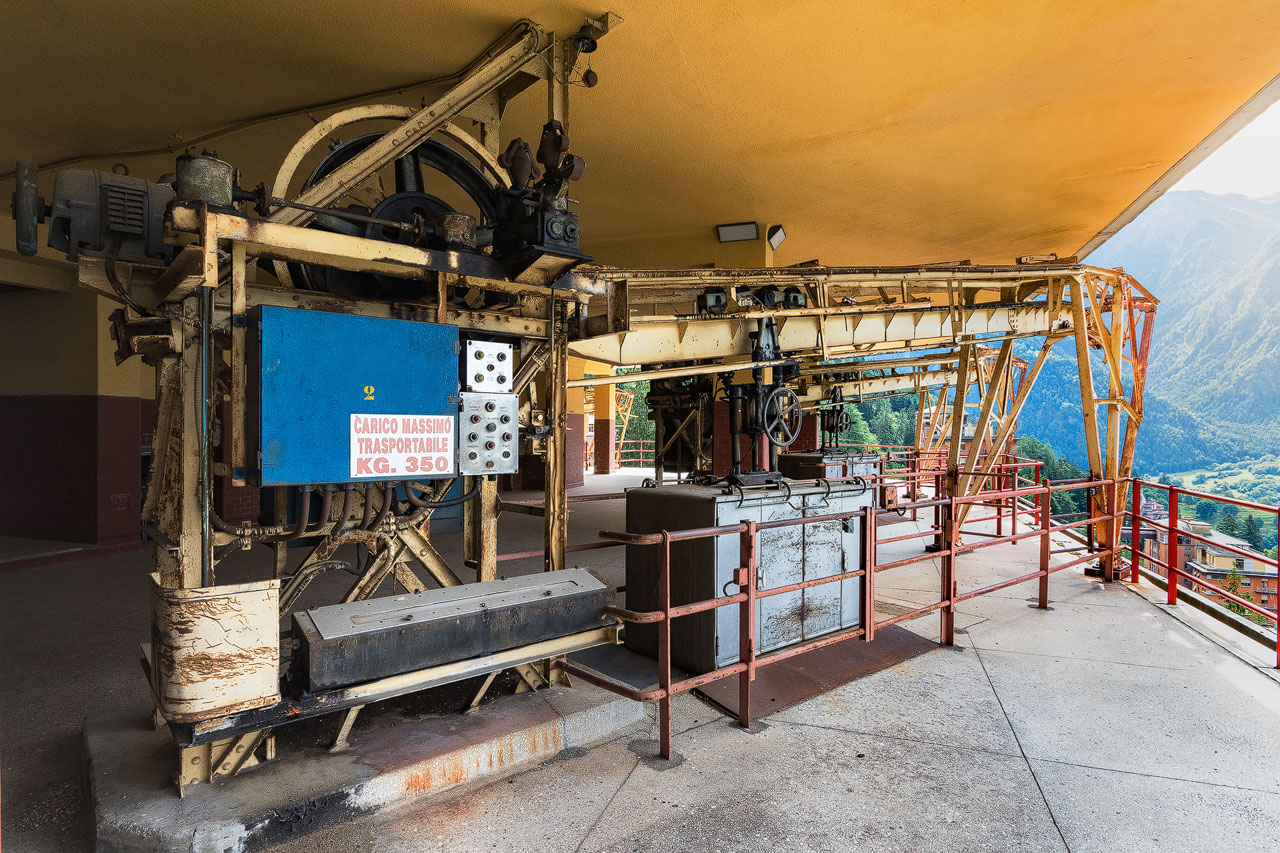
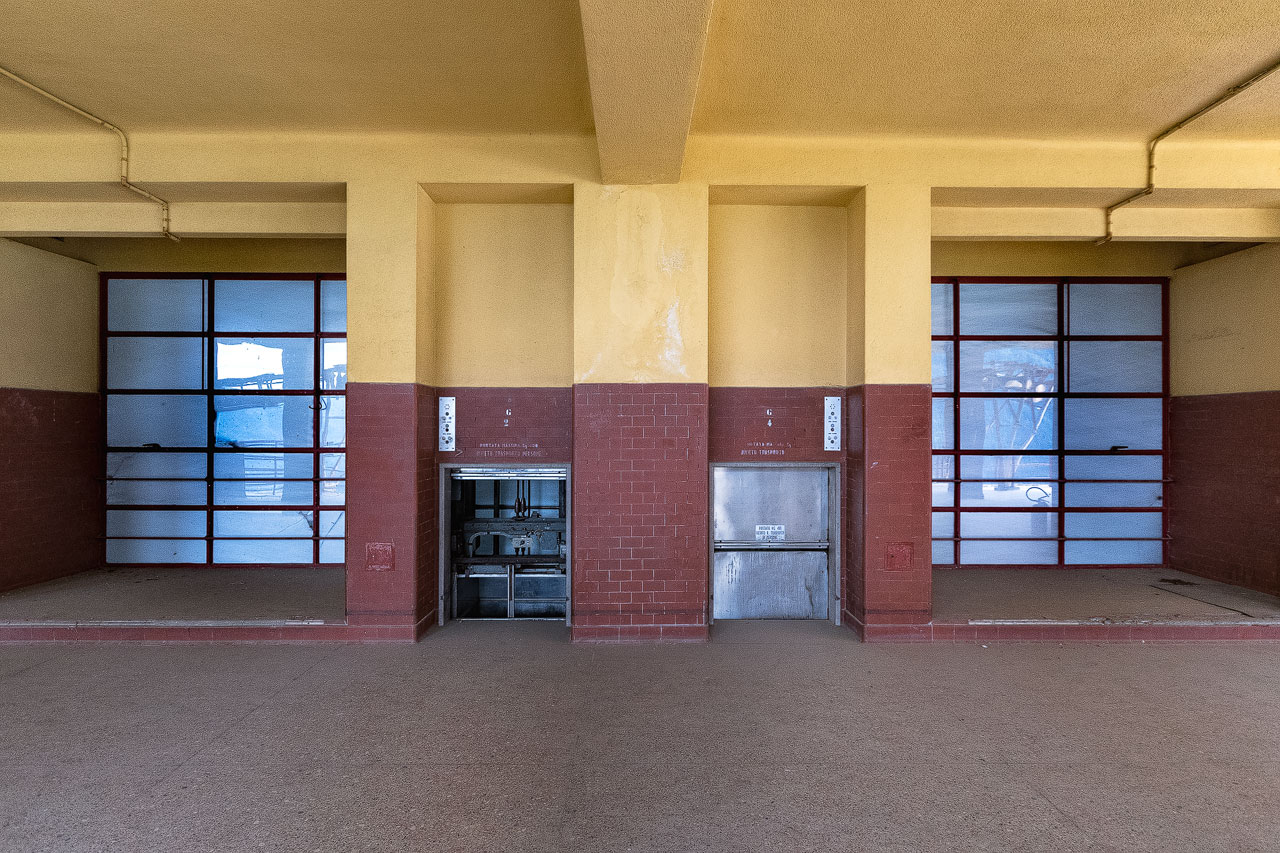
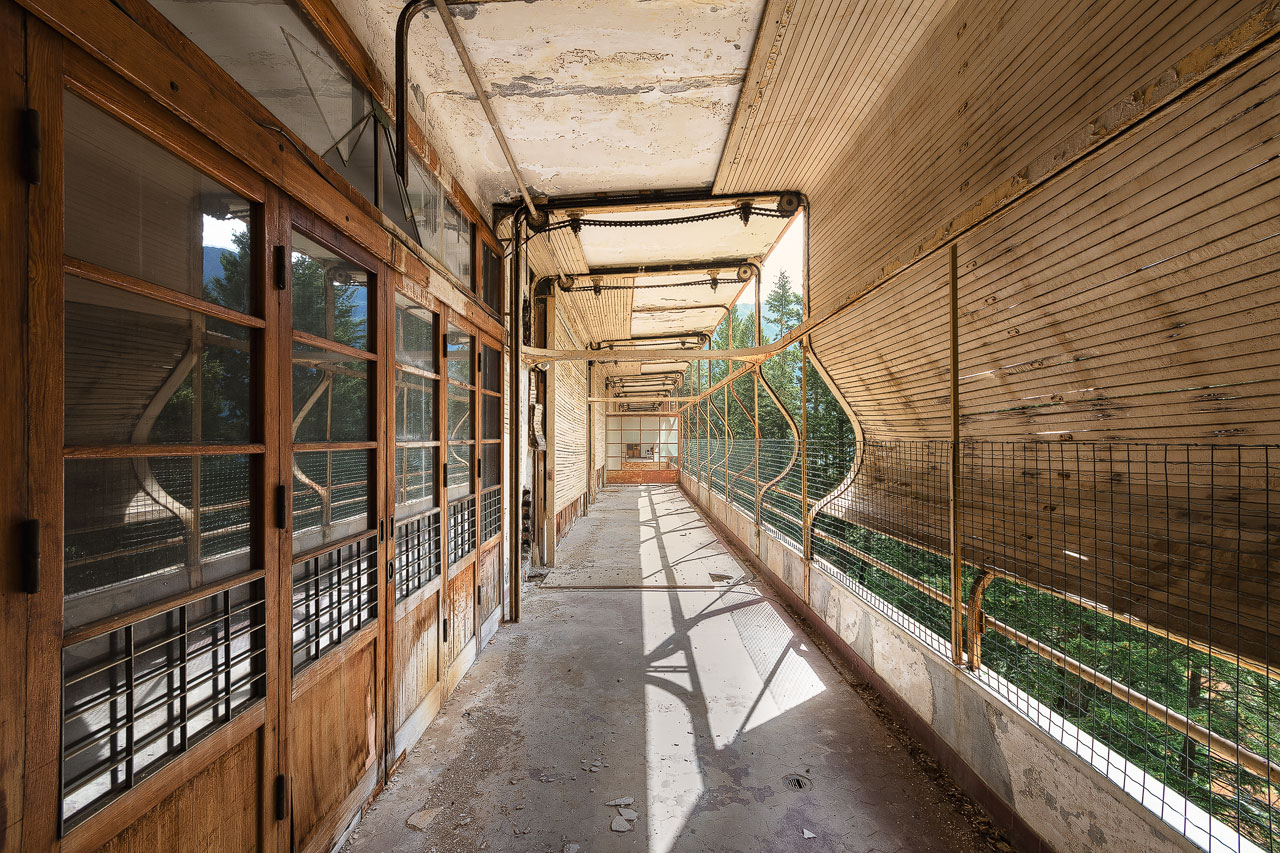
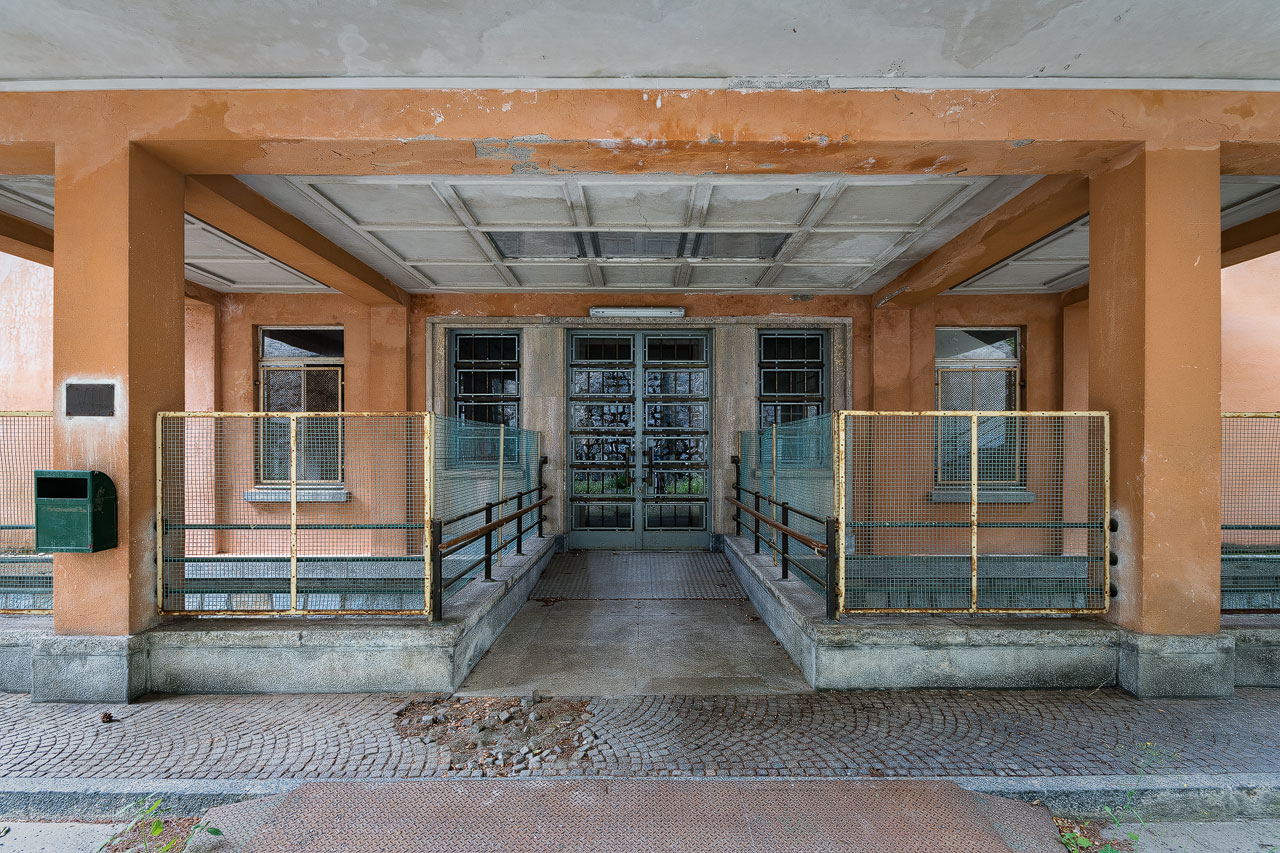
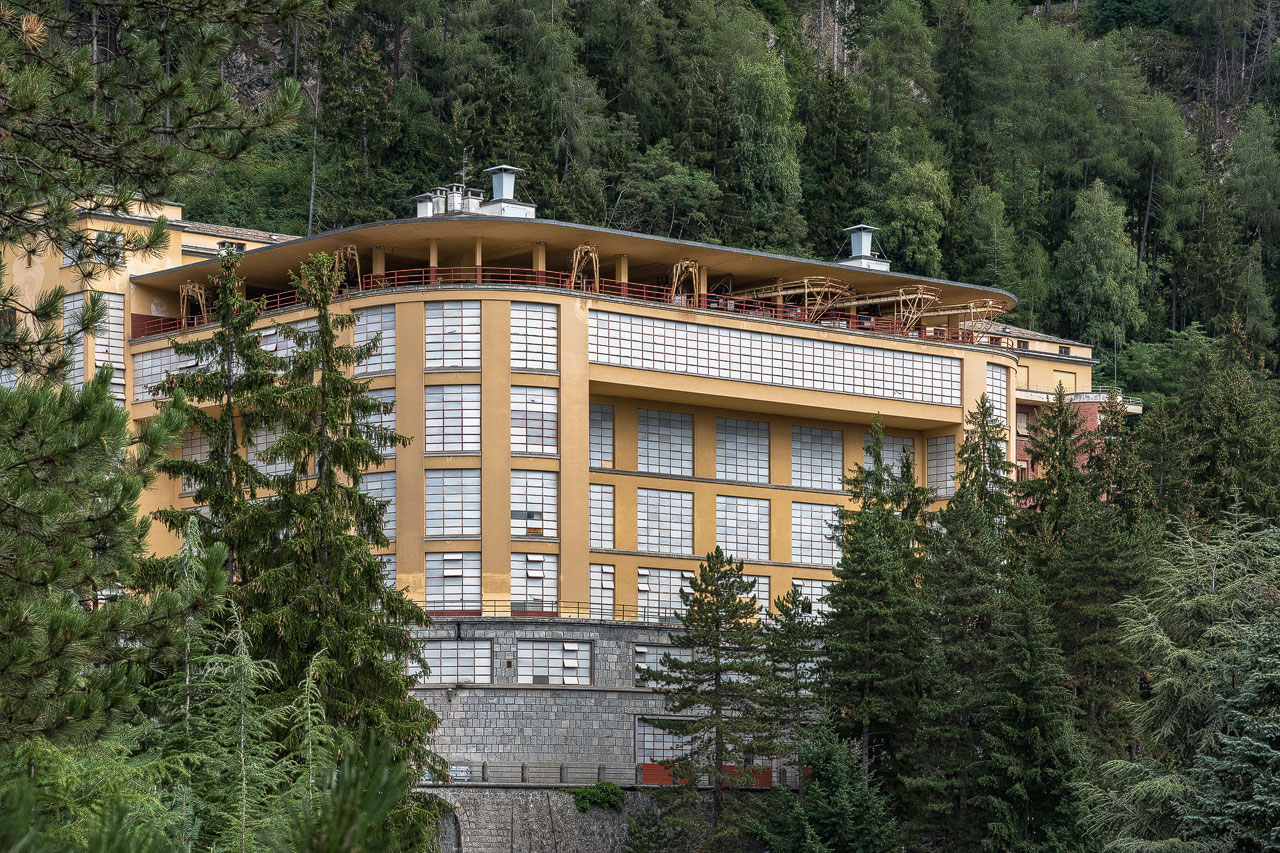
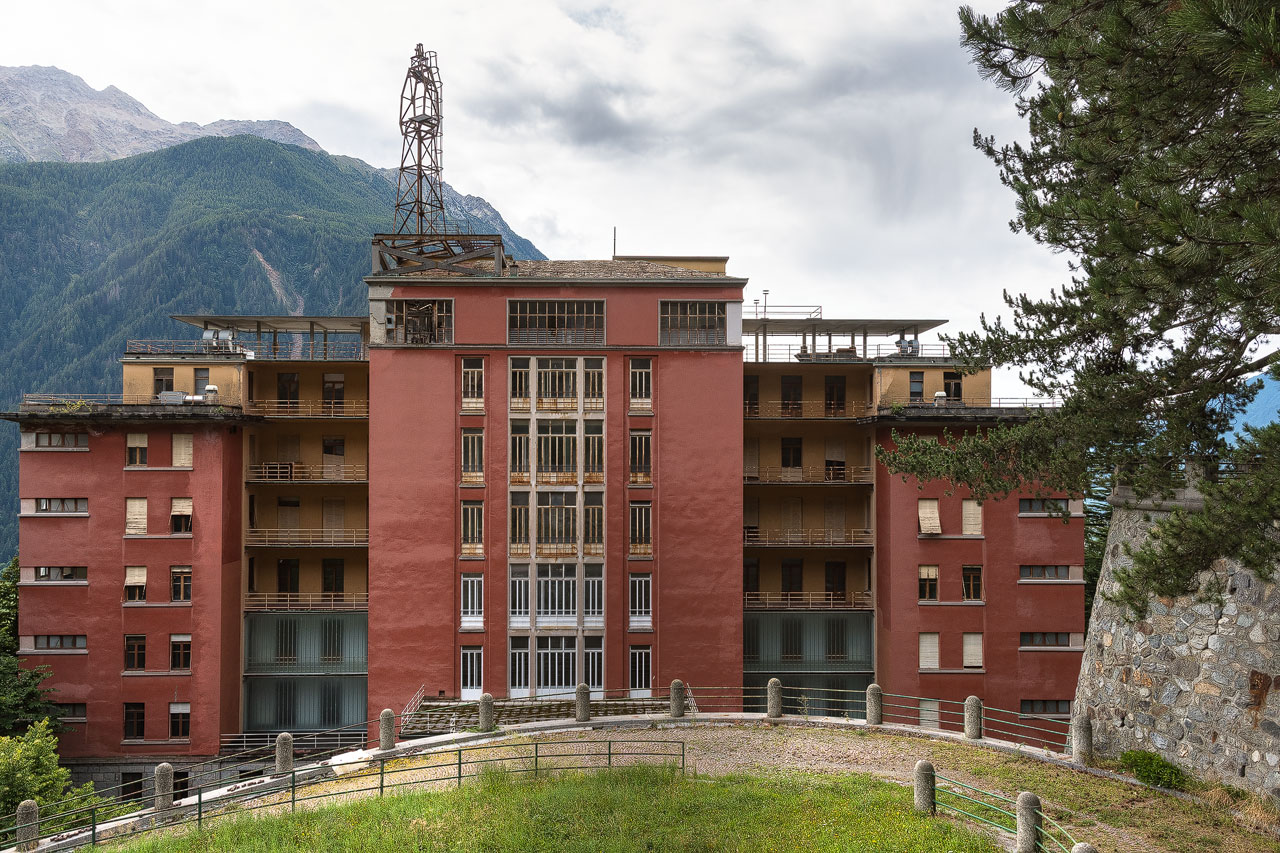
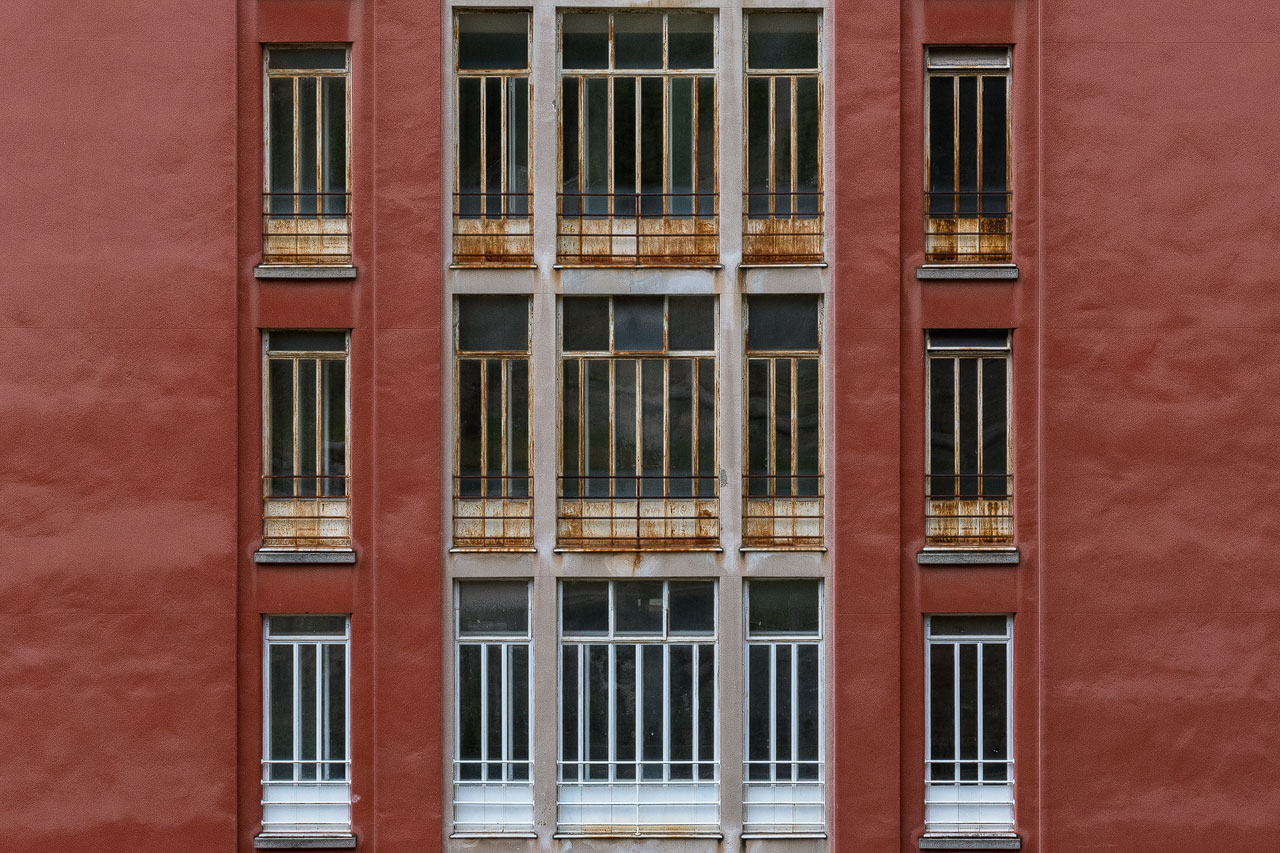
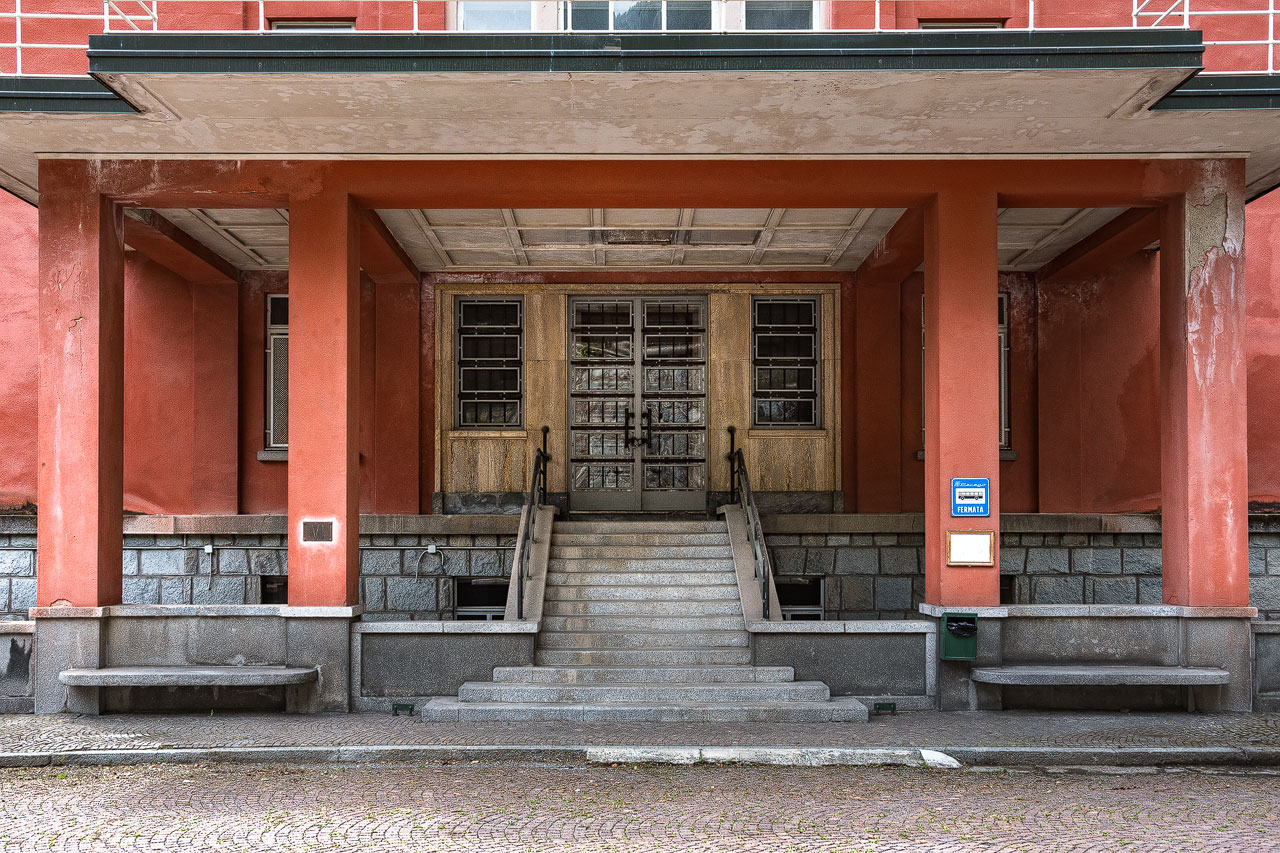
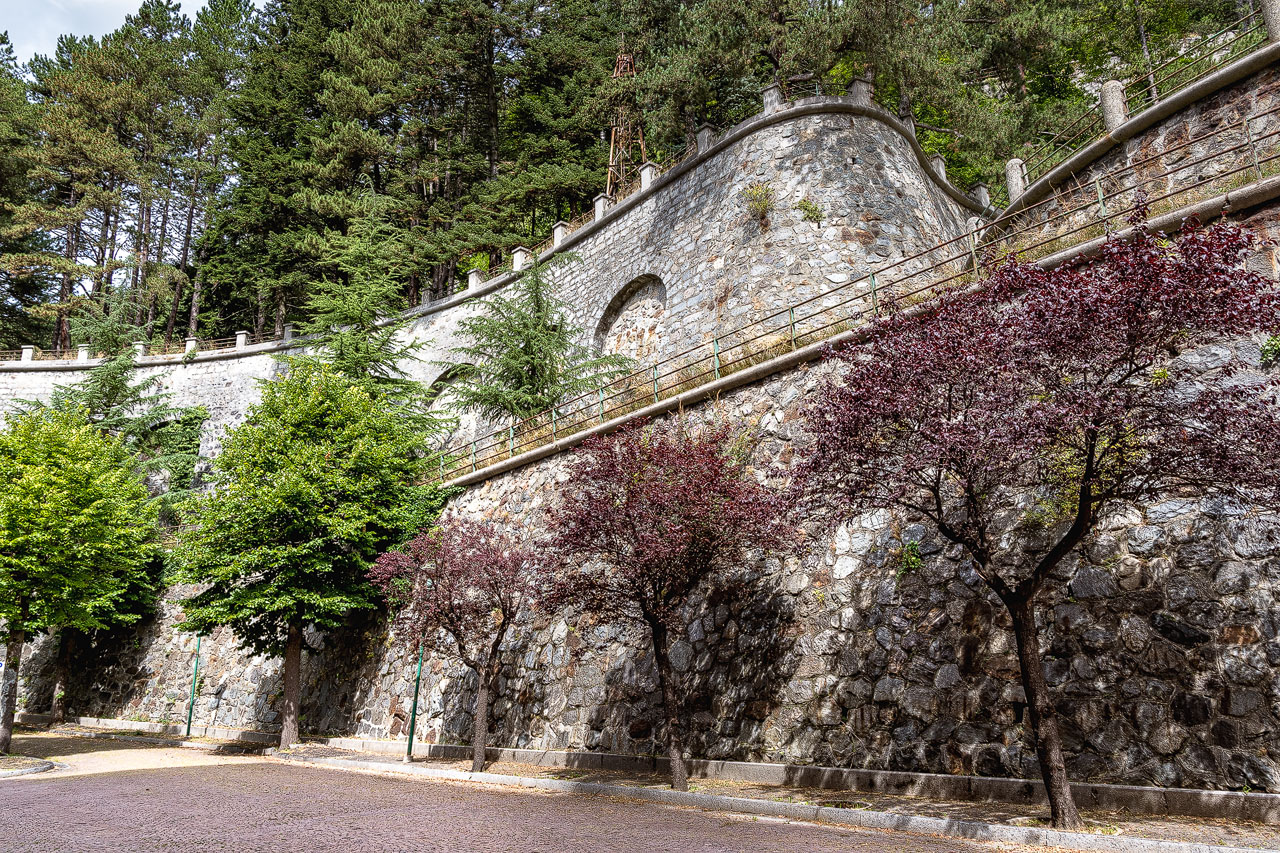
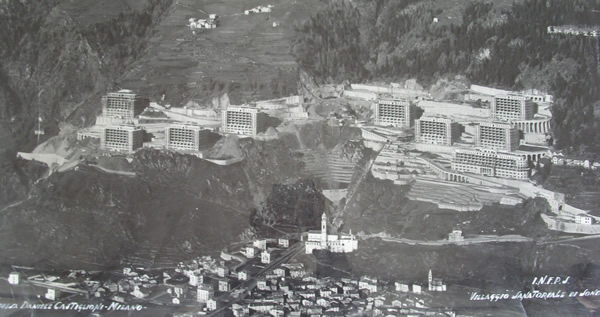
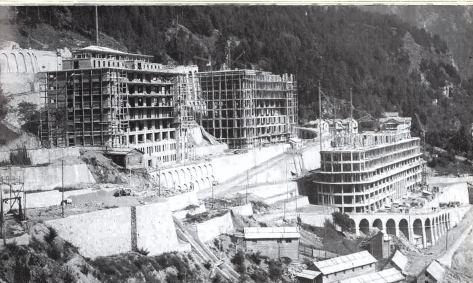
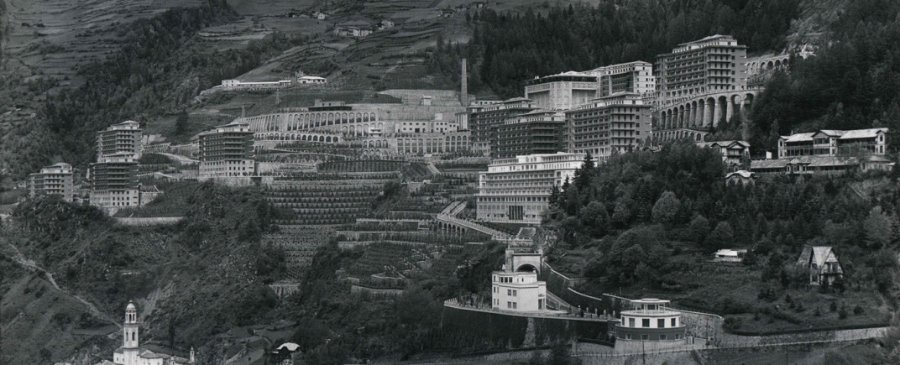
The sanatorium we are talking about in this article was the largest sanatorium in Europe. Built at the request of the fascist government, the choice fell on Sondalo because of its excellent weather conditions. In fact, not far from Sondalo had already been built a few years earlier, the Prasomaso Sanatoriums, now totally abandoned and in ruins. To built Sondalo, the work took eight years, from 1932 to 1940. The work was very demanding, both the access roads and the foundation plans were literally carved out of the rock, and artificial stone hairpin bends were built. The final result, however, was very neat, characterised by a rationalist style of architecture typical of the splendour of the regime of the time. It was a true independent village, equipped with an innovative system of cable cars that distributed clean linen, medicines and foodstuffs from the central building to the various pavilions. In 8 years, 9 pavilions were built to accommodate up to 300 patients each.
Although the village was only opened at the end of the Second World War, during the conflict the sixth and seventh pavilions were the protagonists of a little-known affair. In fact, thanks to a highly secret mission, very important works of art from Milanese museums and private collections were transported to the valley in lorries on duty at the Alpine dams and then hidden in various hollow spaces, including paintings by Rubens, Tintoretto and Segantini, in order to save them from possible bombing and looting. An even thicker mystery, never explained, remains as to how everything was done with the presence of a German garrison garrisoning in the village… unconfirmed rumours claim that the commander of the garrison was actually, in normal life before the war, a professor of Italian art history who had lived a lot in Italy studying mainly Tuscan art…
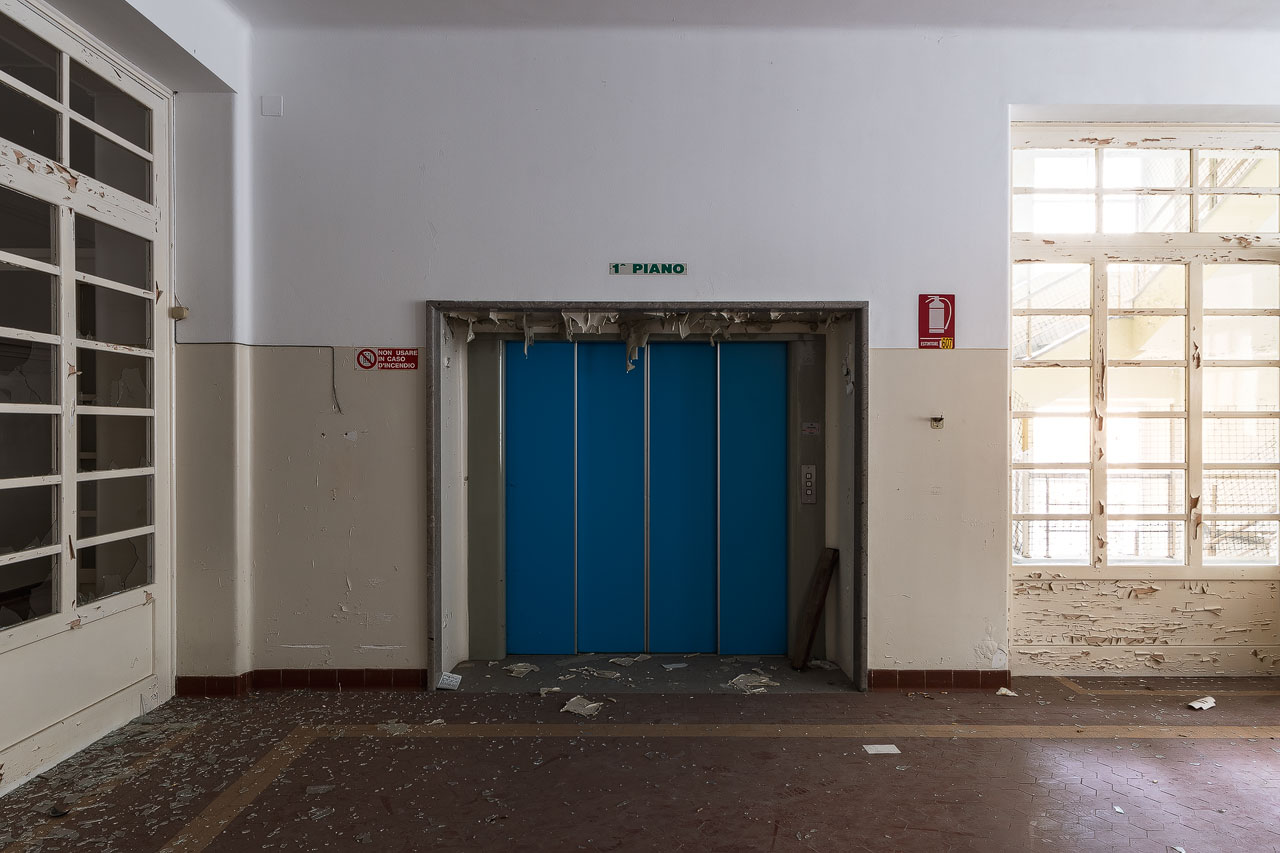
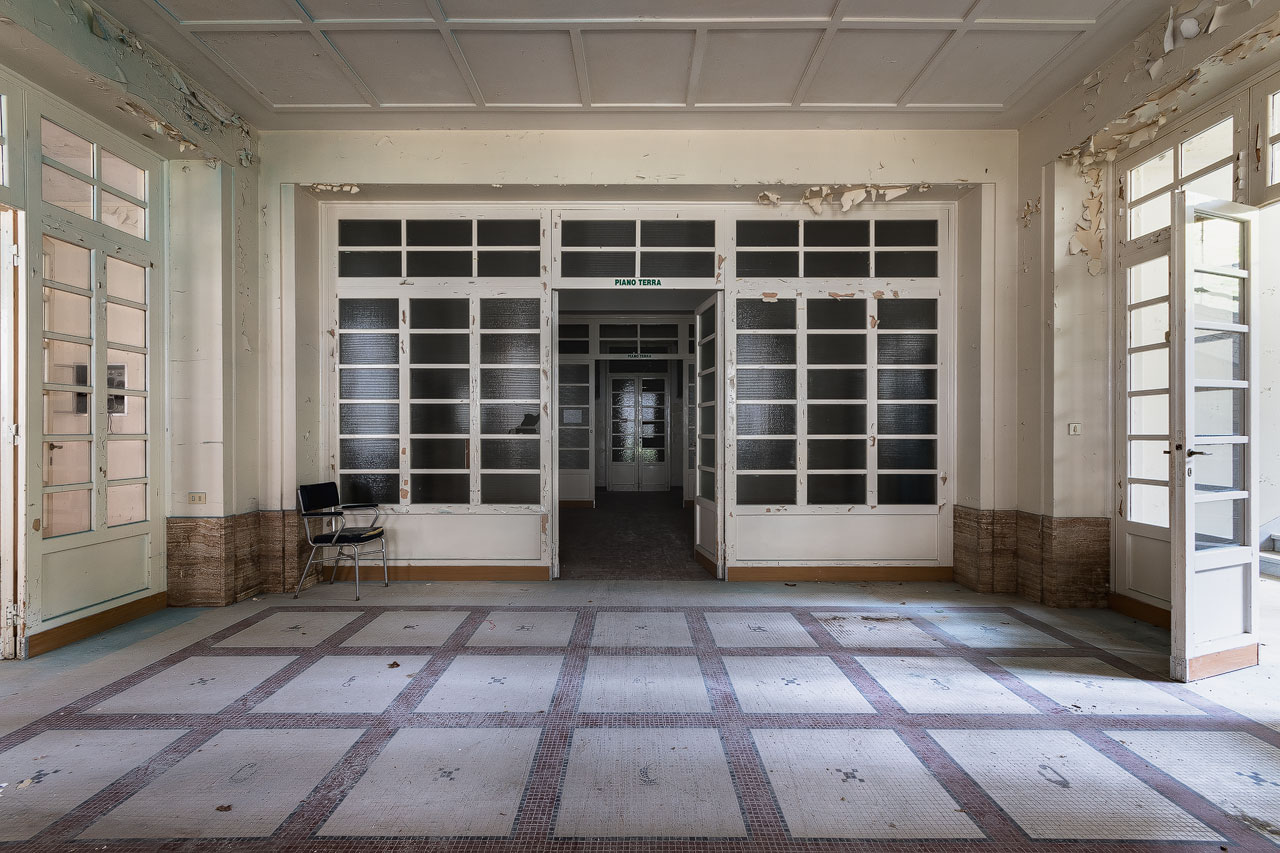
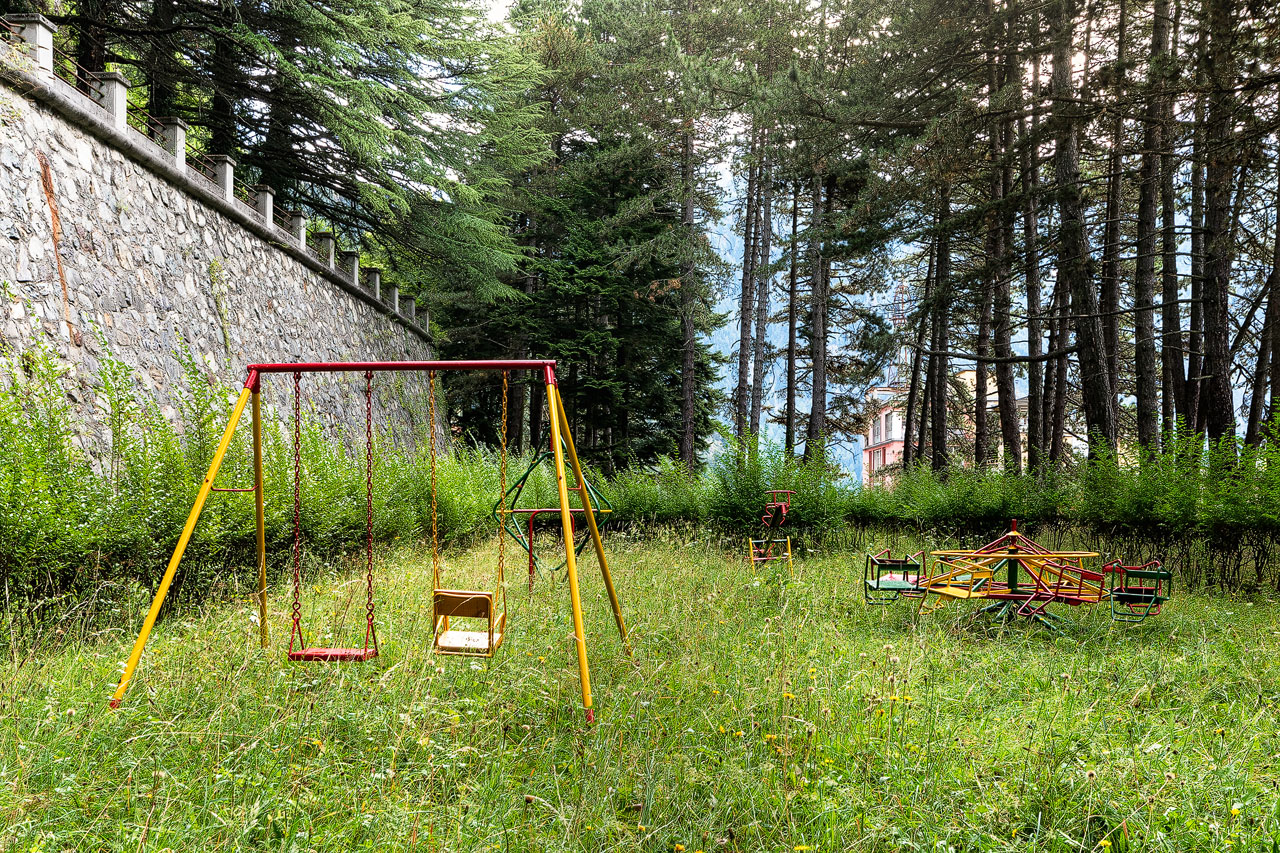
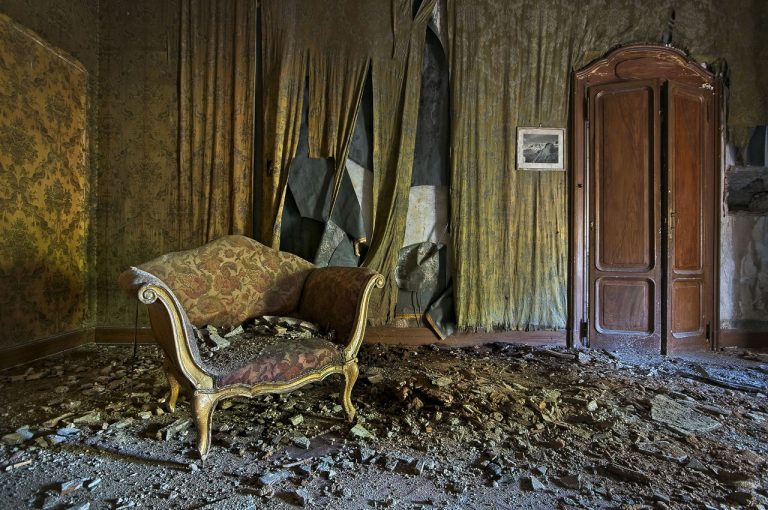
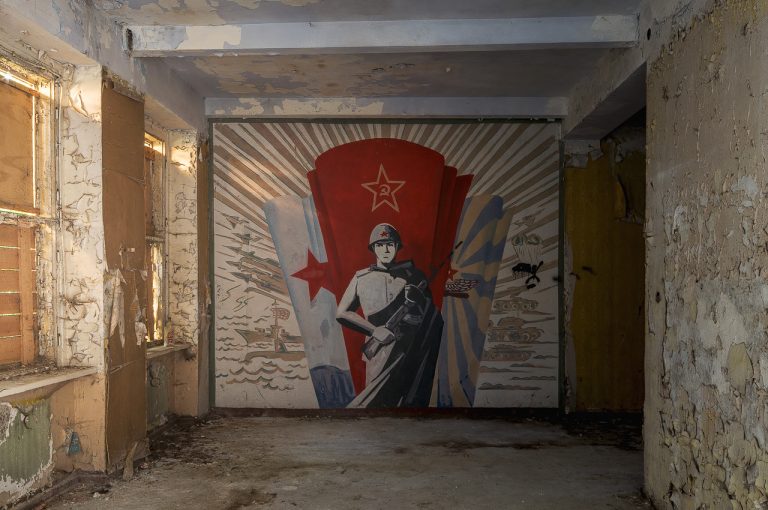
The Village has lost its importance since the 1970s and only a few pavilions are still in use as a hospital, which in recent times has become vitally important as it has become the valley’s reference Covid centre. The disused pavilions, on the other hand, are in a state of ‘controlled abandonment’. An association of volunteers, whom I thank for the opportunity to visit the site, is in fact responsible for preserving the abandoned pavilions from further acts of vandalism and has over the years collected many objects and testimonies of the sanatorium village in a small museum.