BULGARIAN FORGOTTEN SCHOOLS [BG]
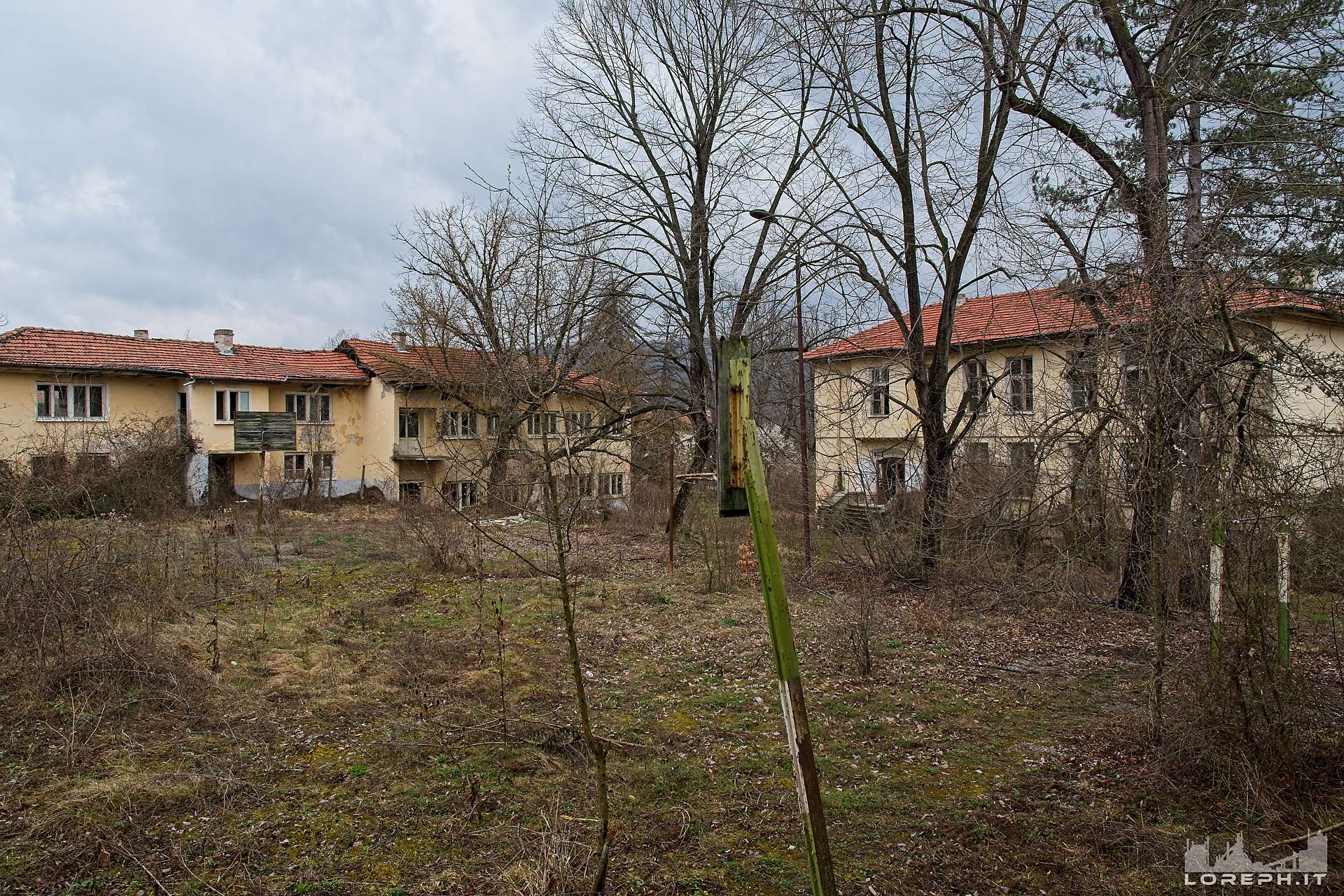
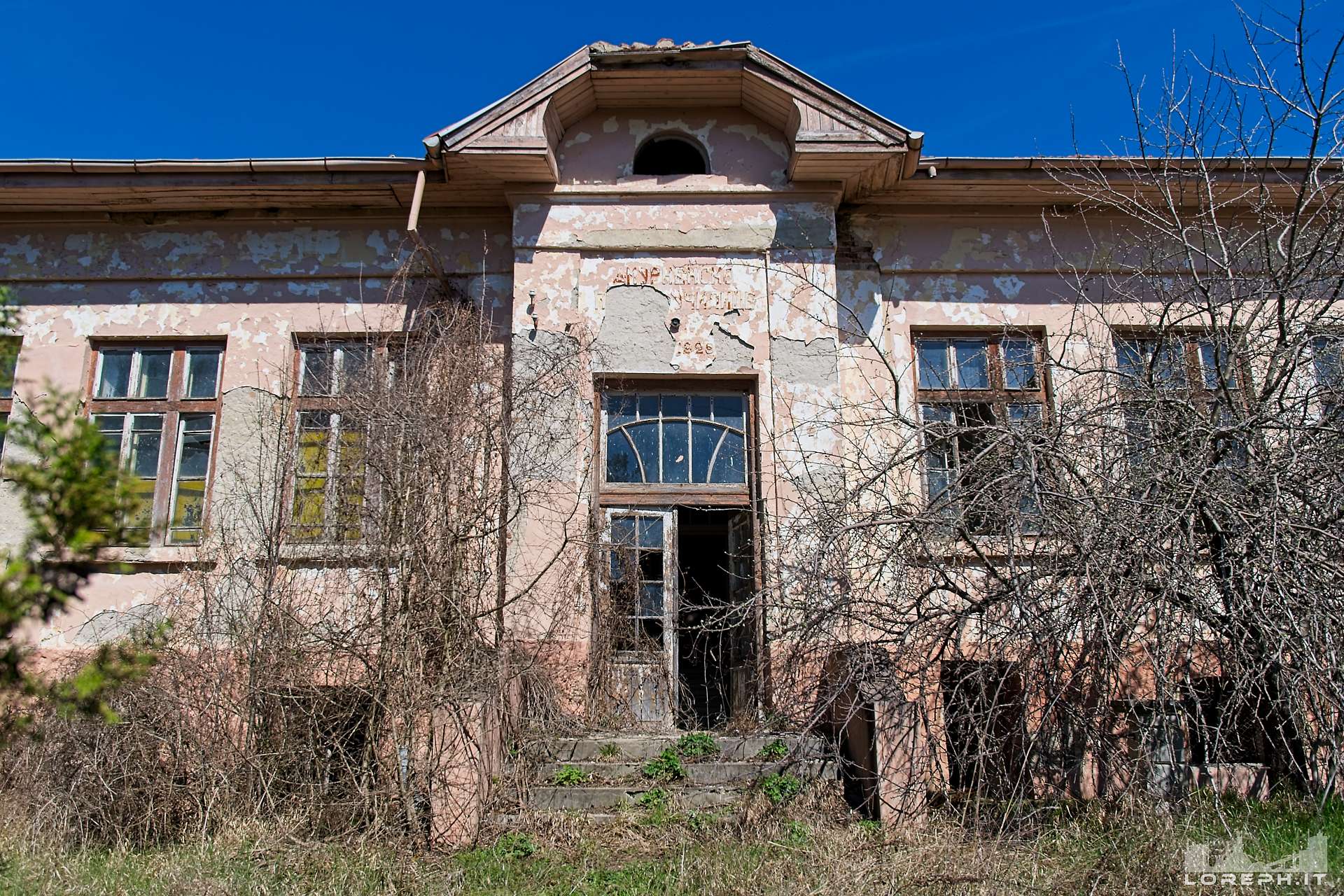
Exploration #282 Bulgarian forgotten schools. Across Bulgaria, hundreds of villages have been gradually abandoned, leaving behind a landscape marked by silence and decay. Nearly 200 settlements are now completely uninhabited, while around 500 count fewer than ten residents. Among the most visible remnants of this demographic collapse are rural schools, once central to community life.
At the beginning of the 20th century, Bulgaria was predominantly agricultural, with about 80% of its population living in small villages. Even the smallest settlements typically had a church and a primary school, where children of different ages often shared the same classroom. Larger villages also hosted vocational schools, preparing older students for technical professions.
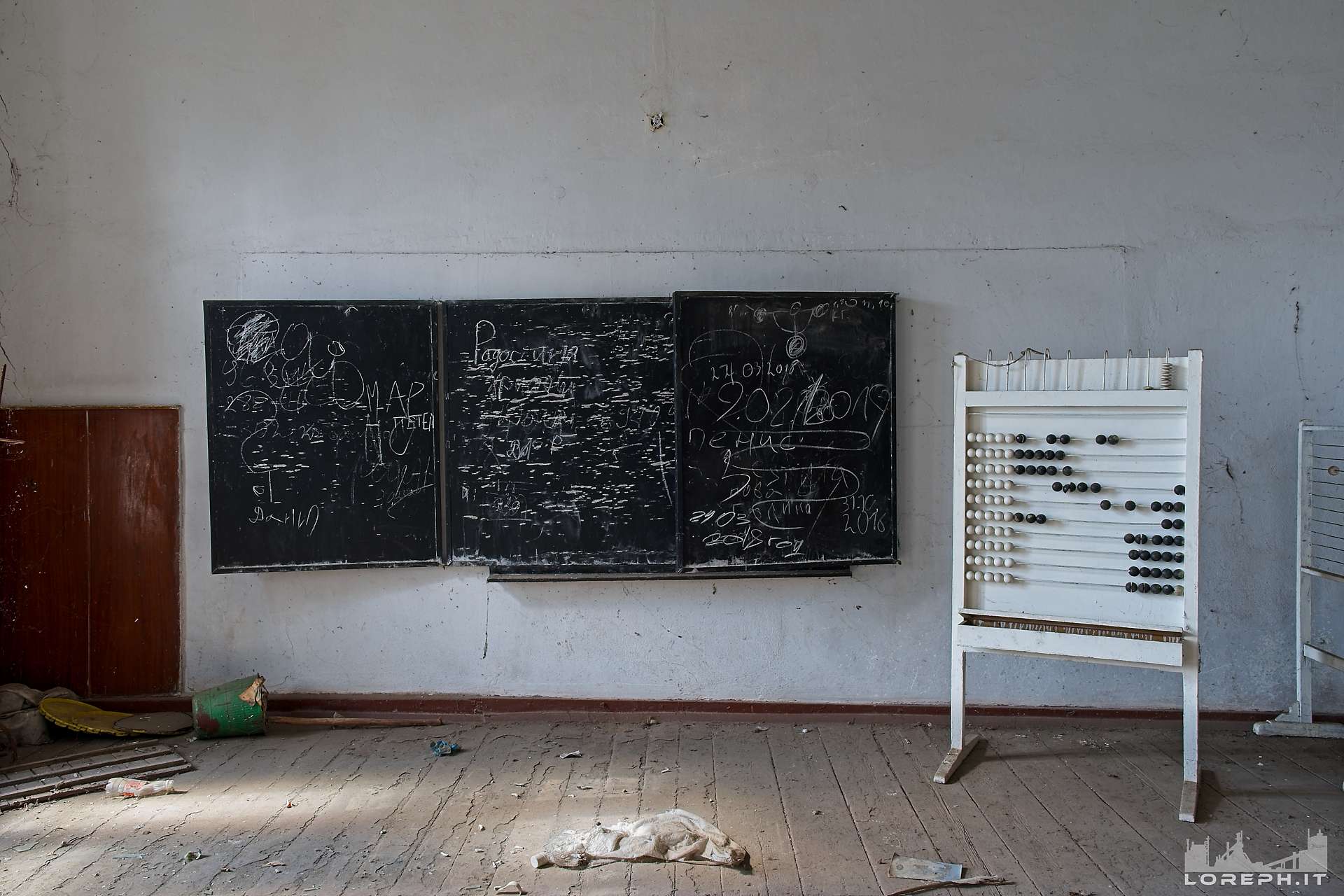
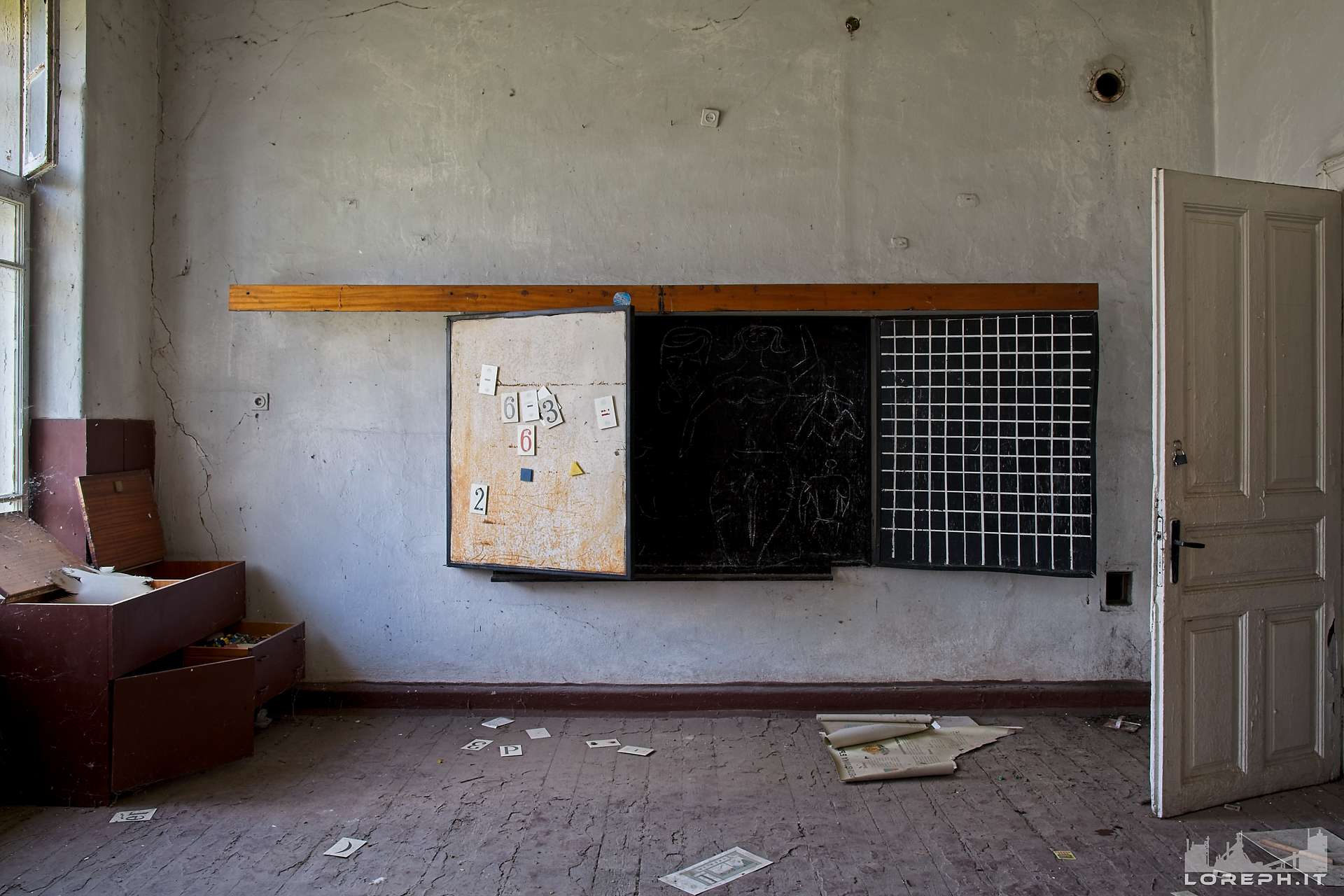
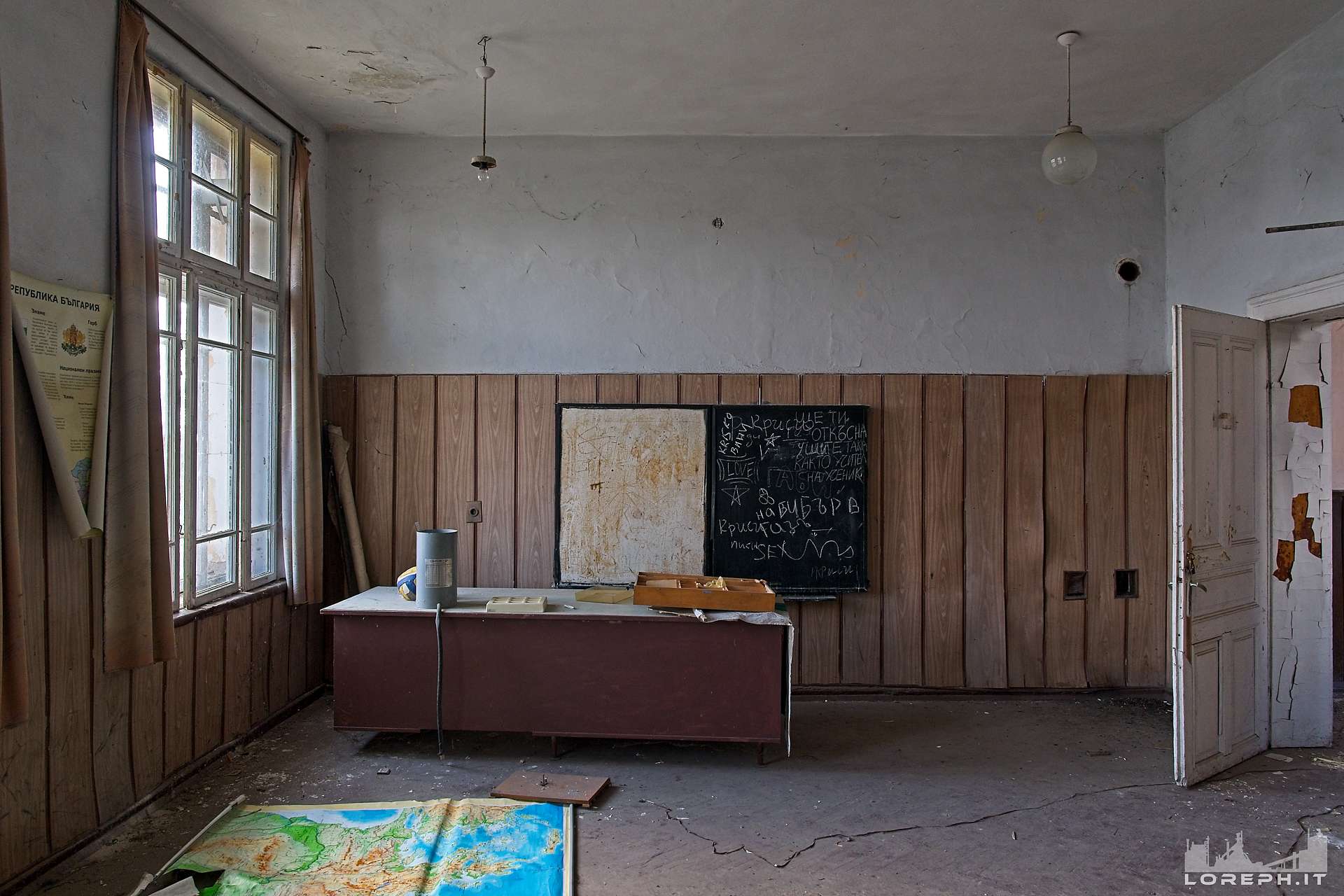
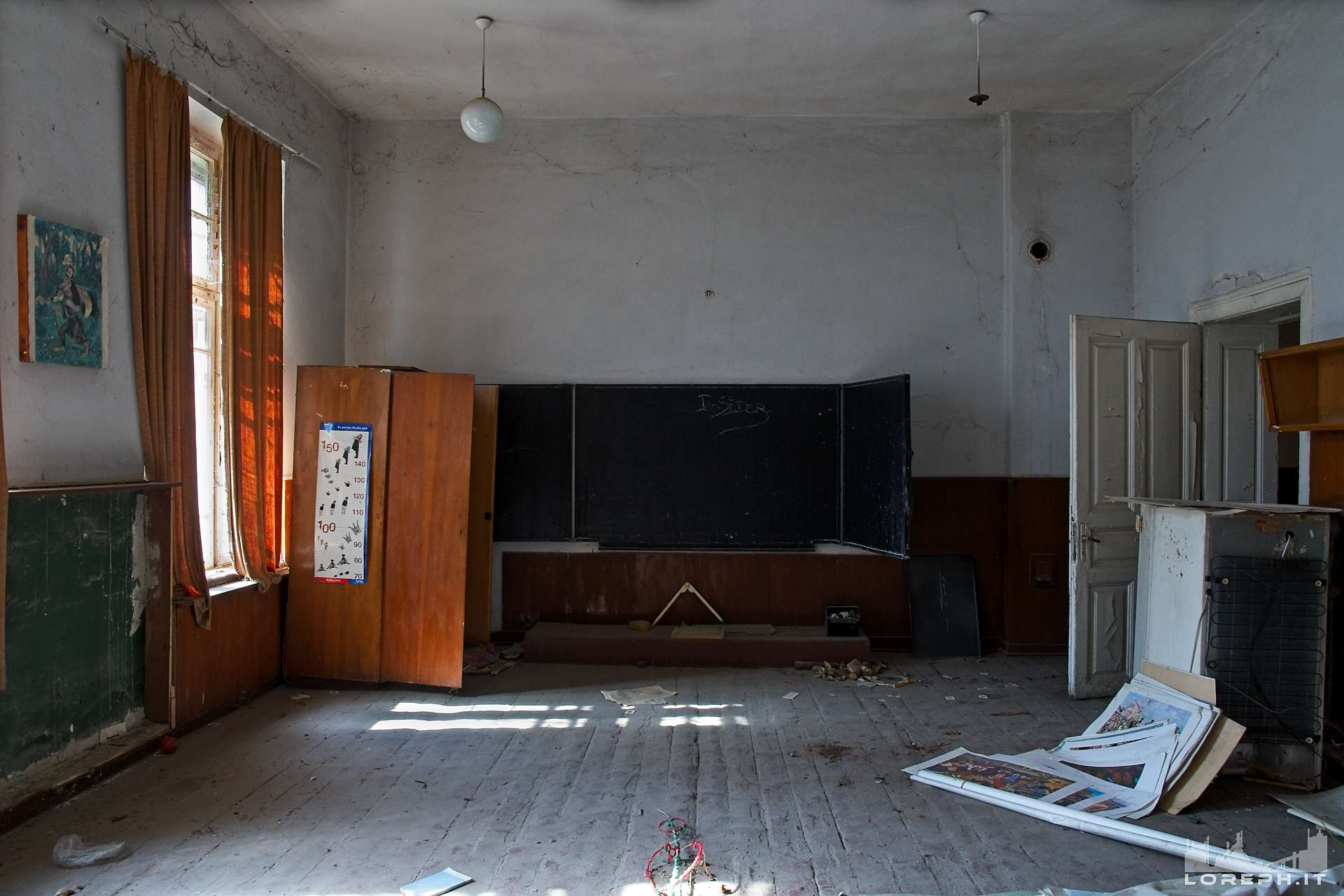
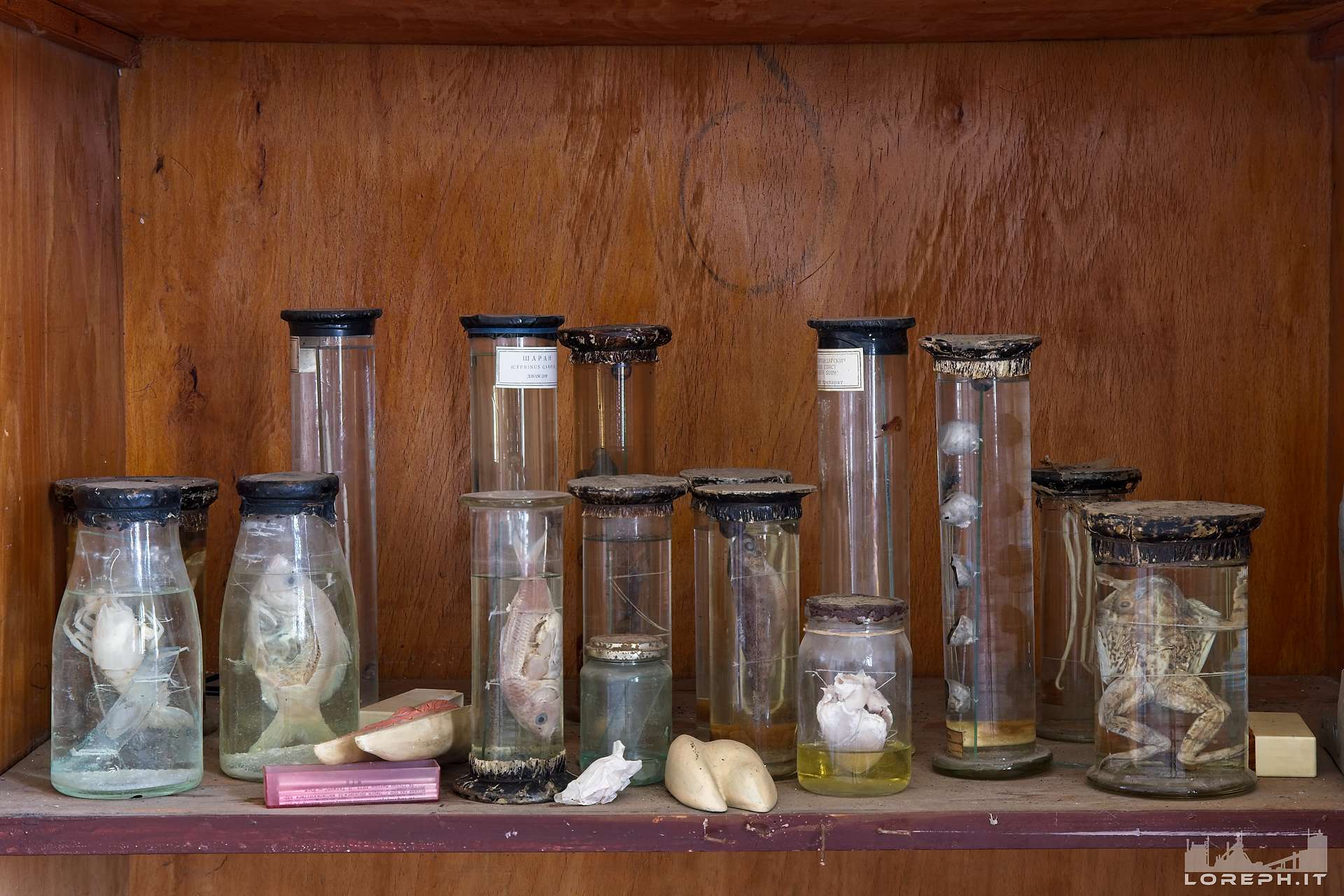
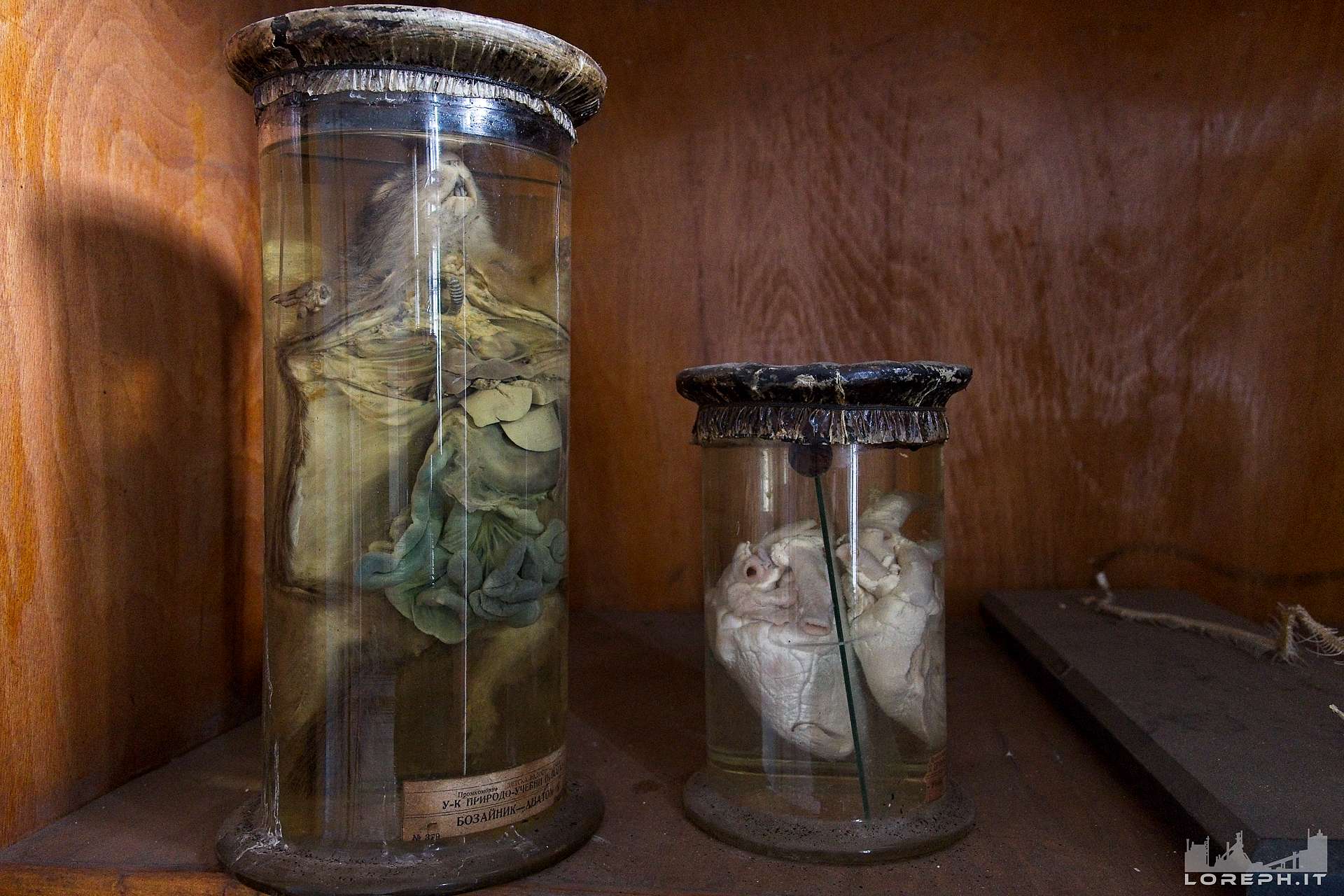
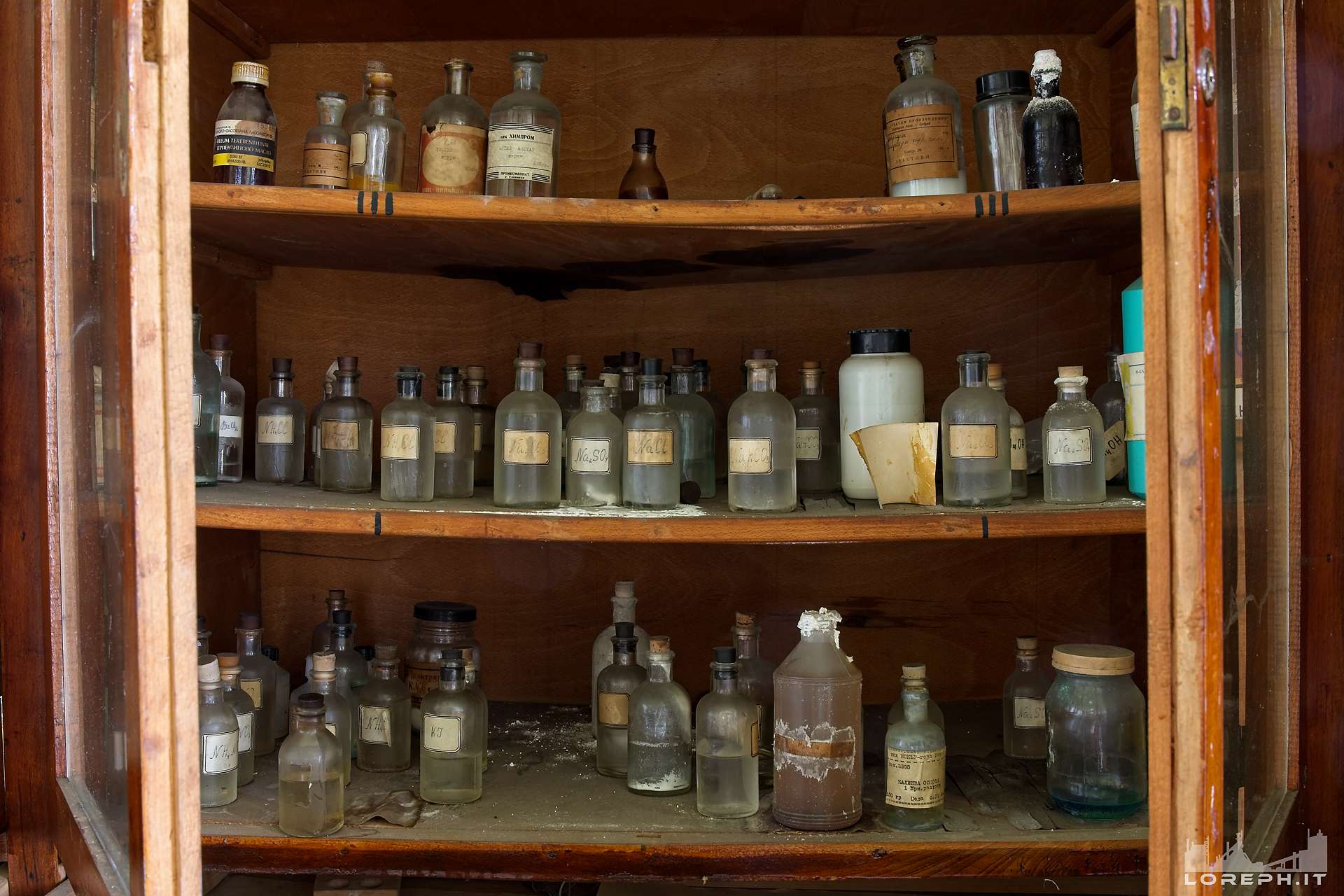
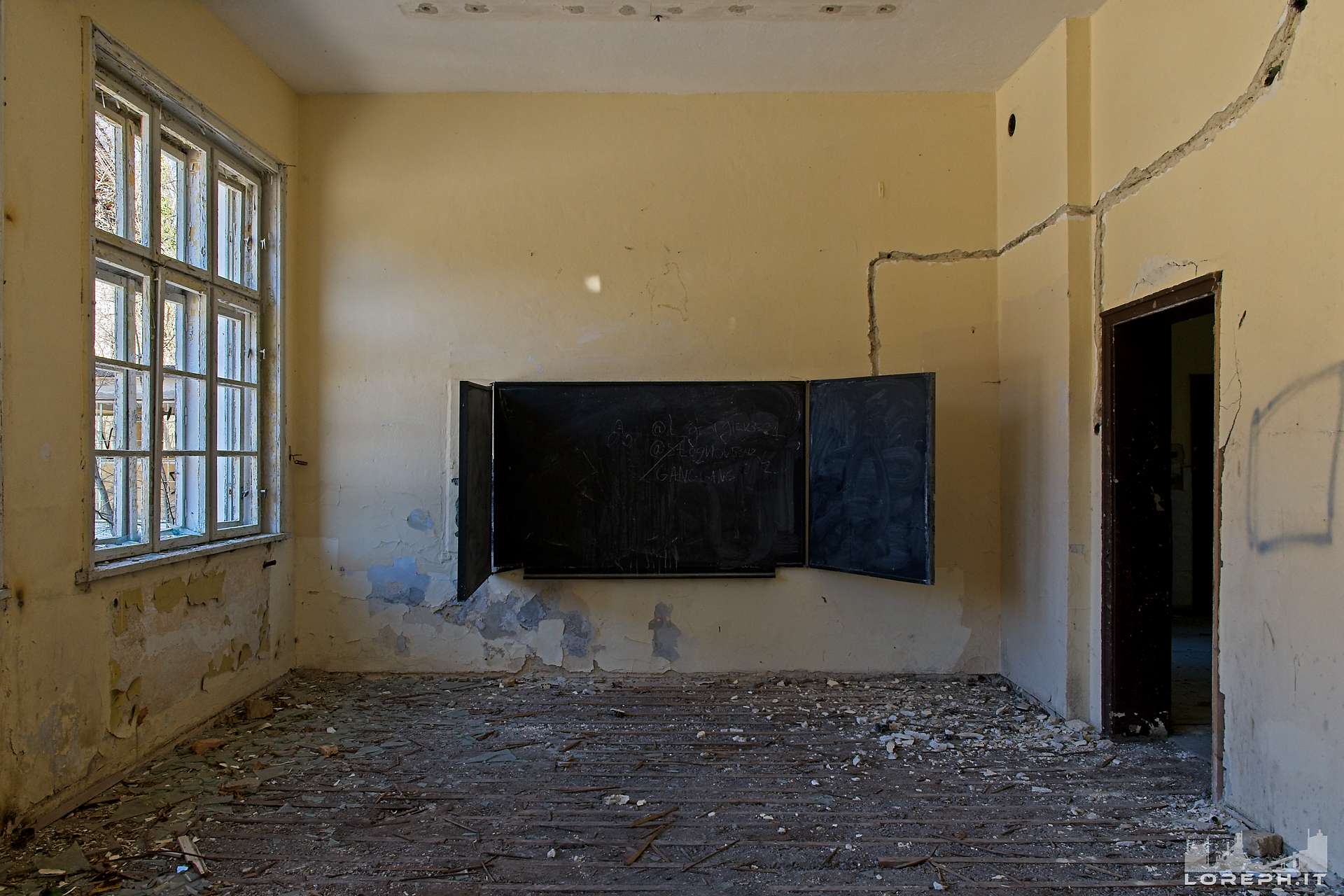
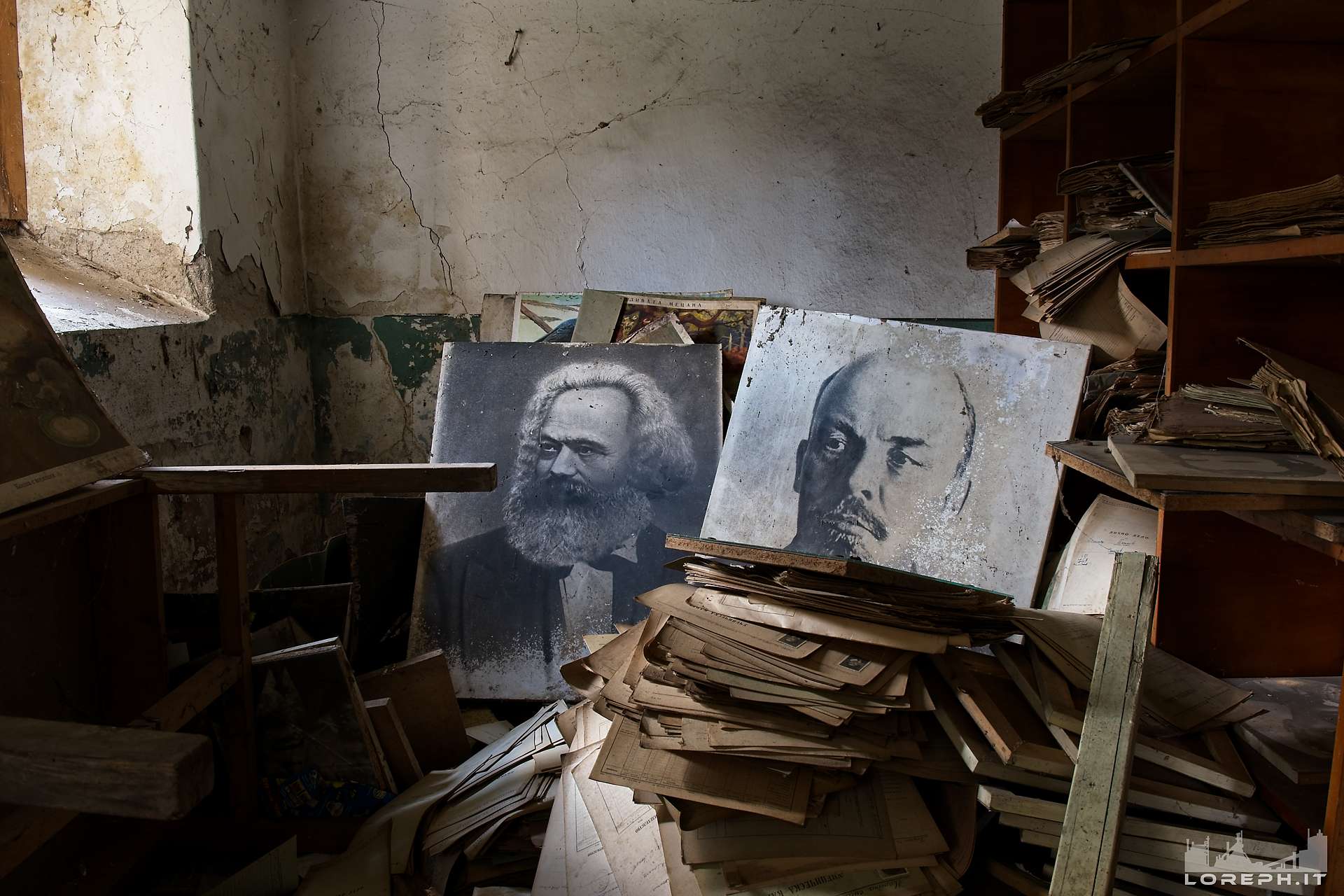
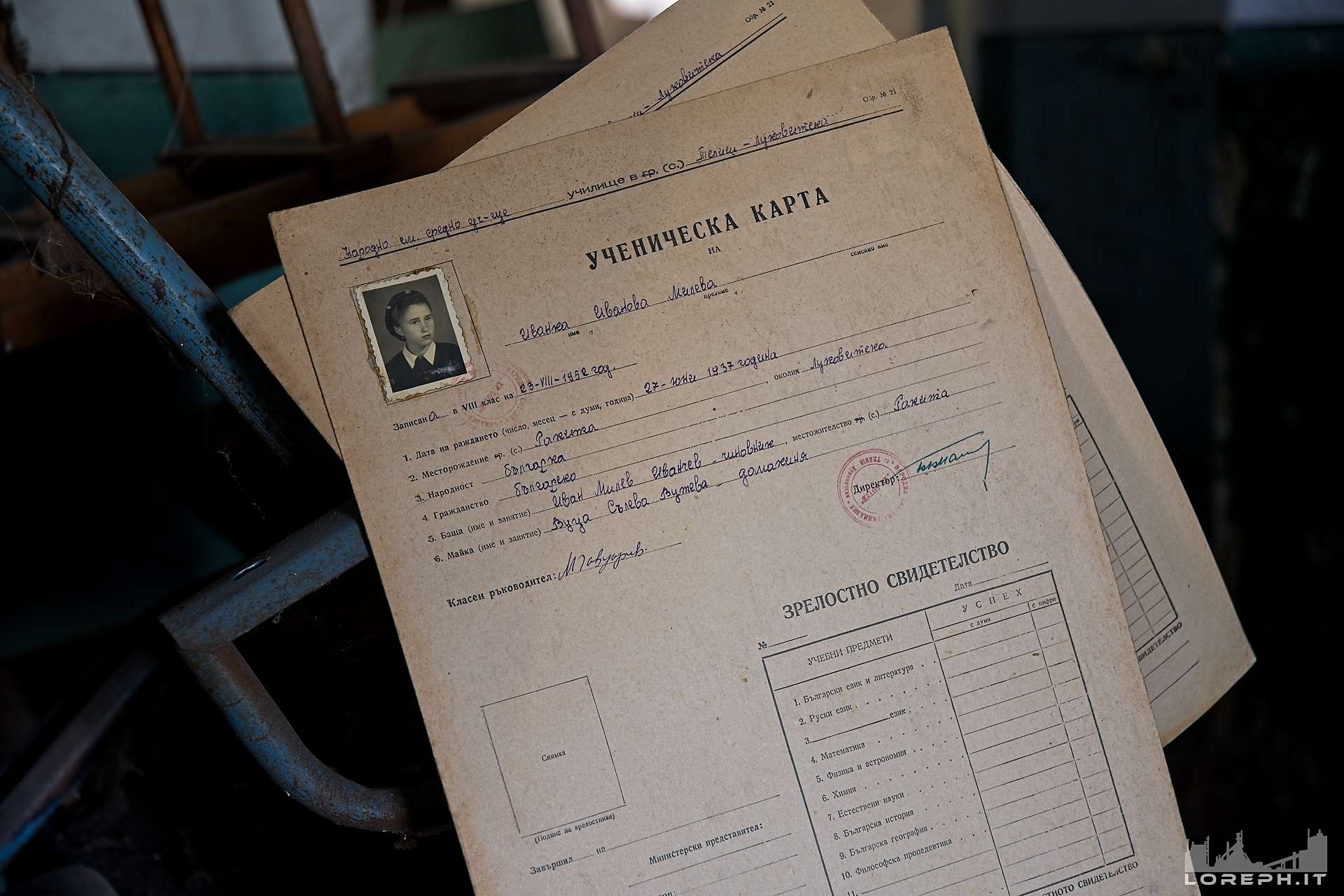
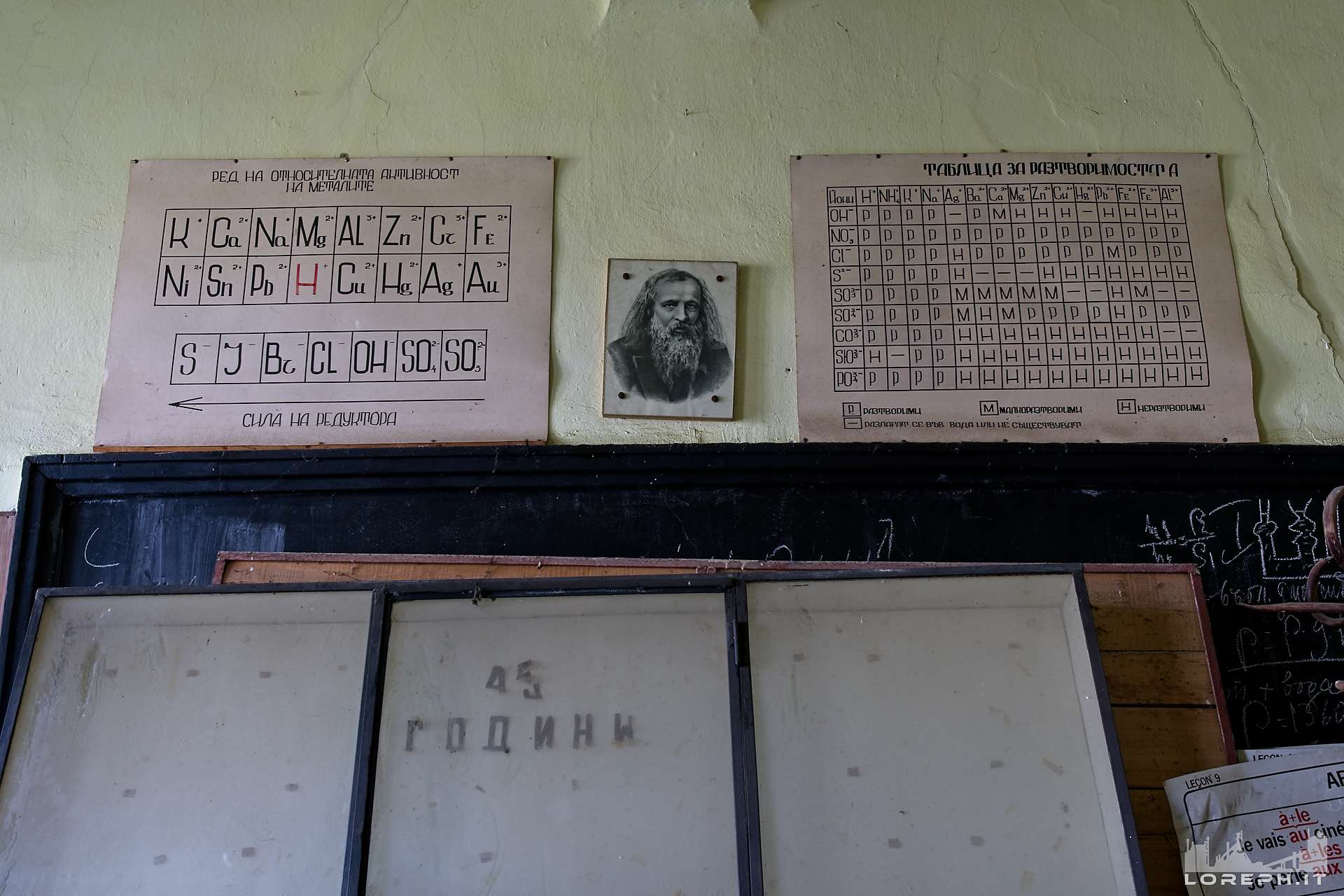
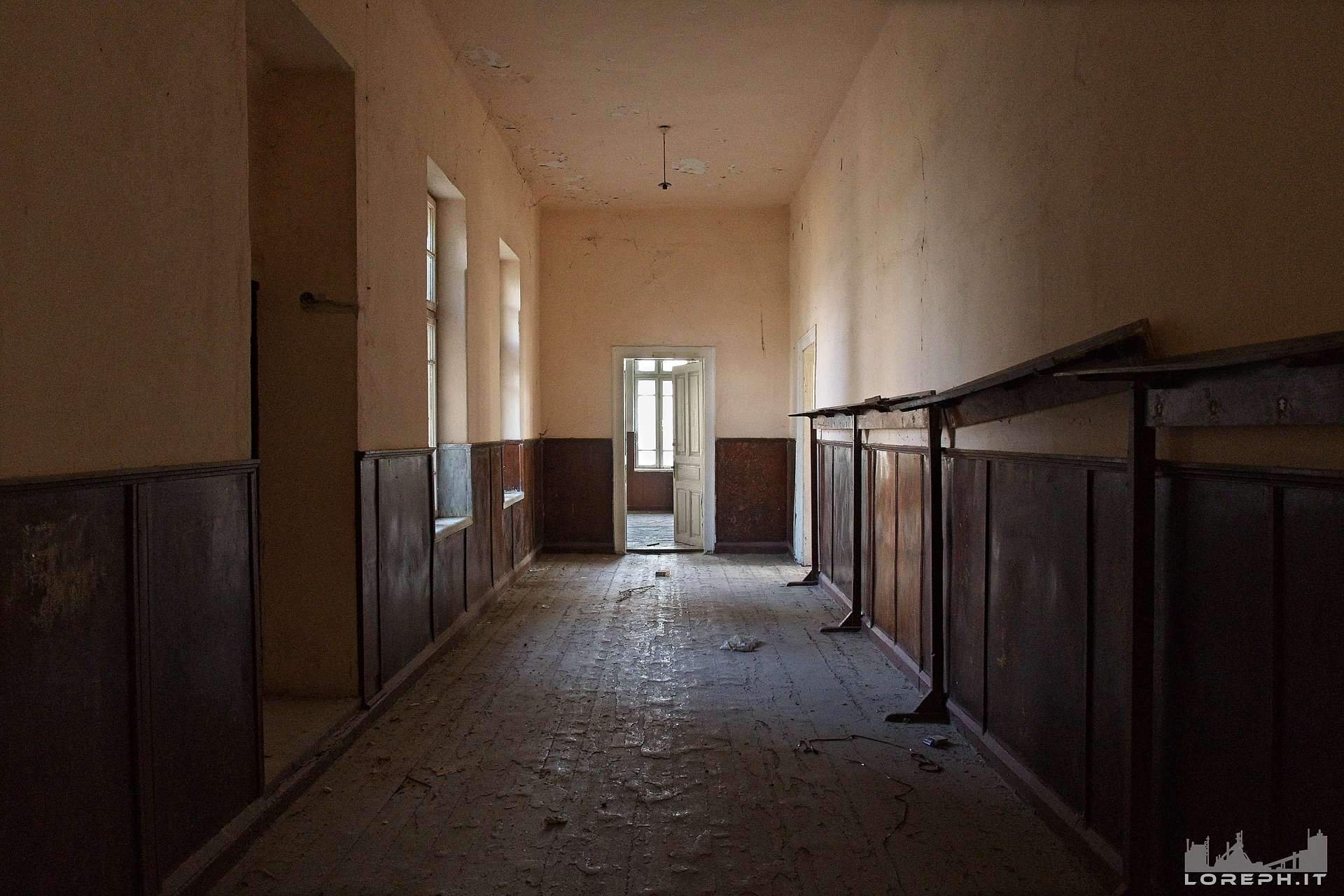
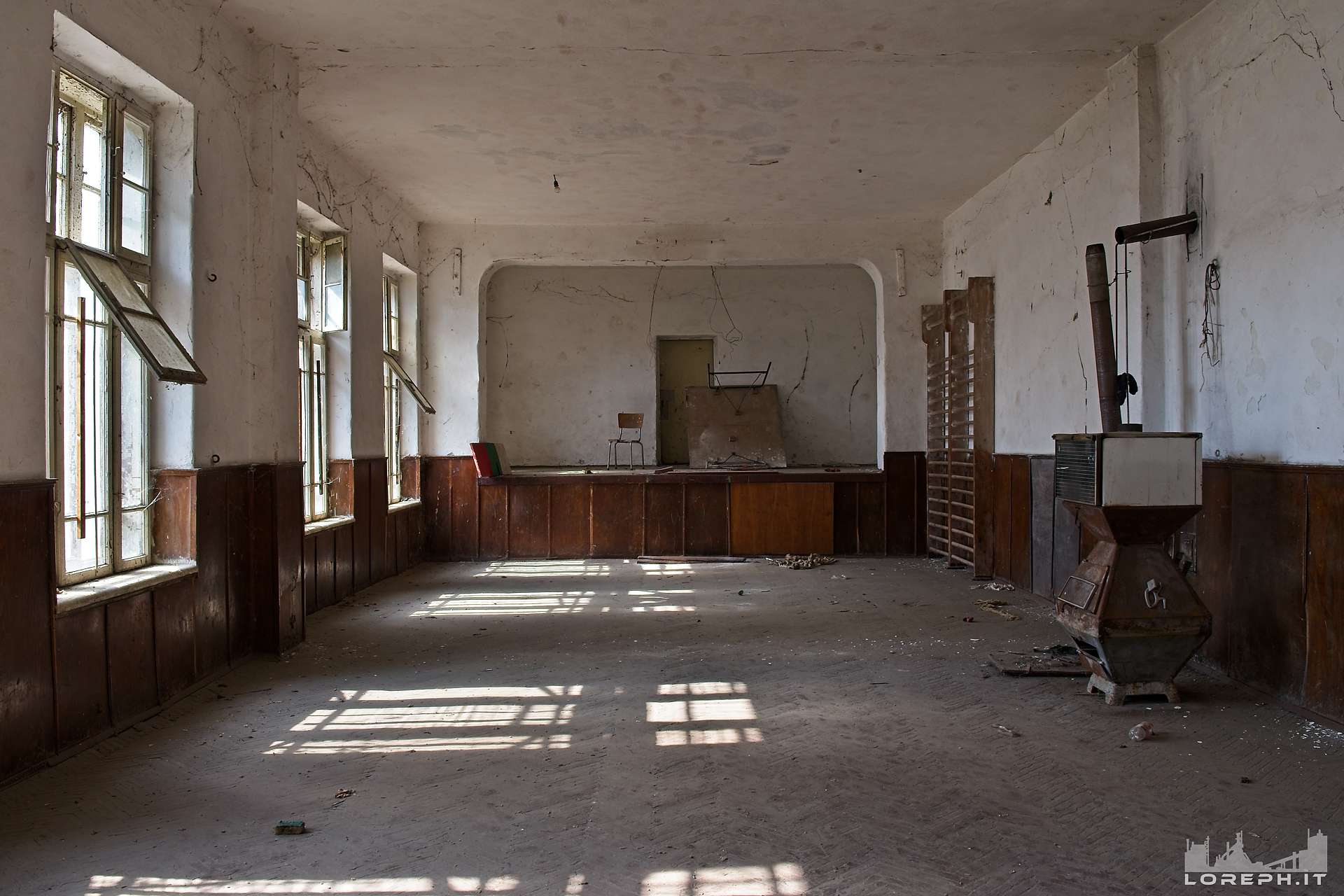
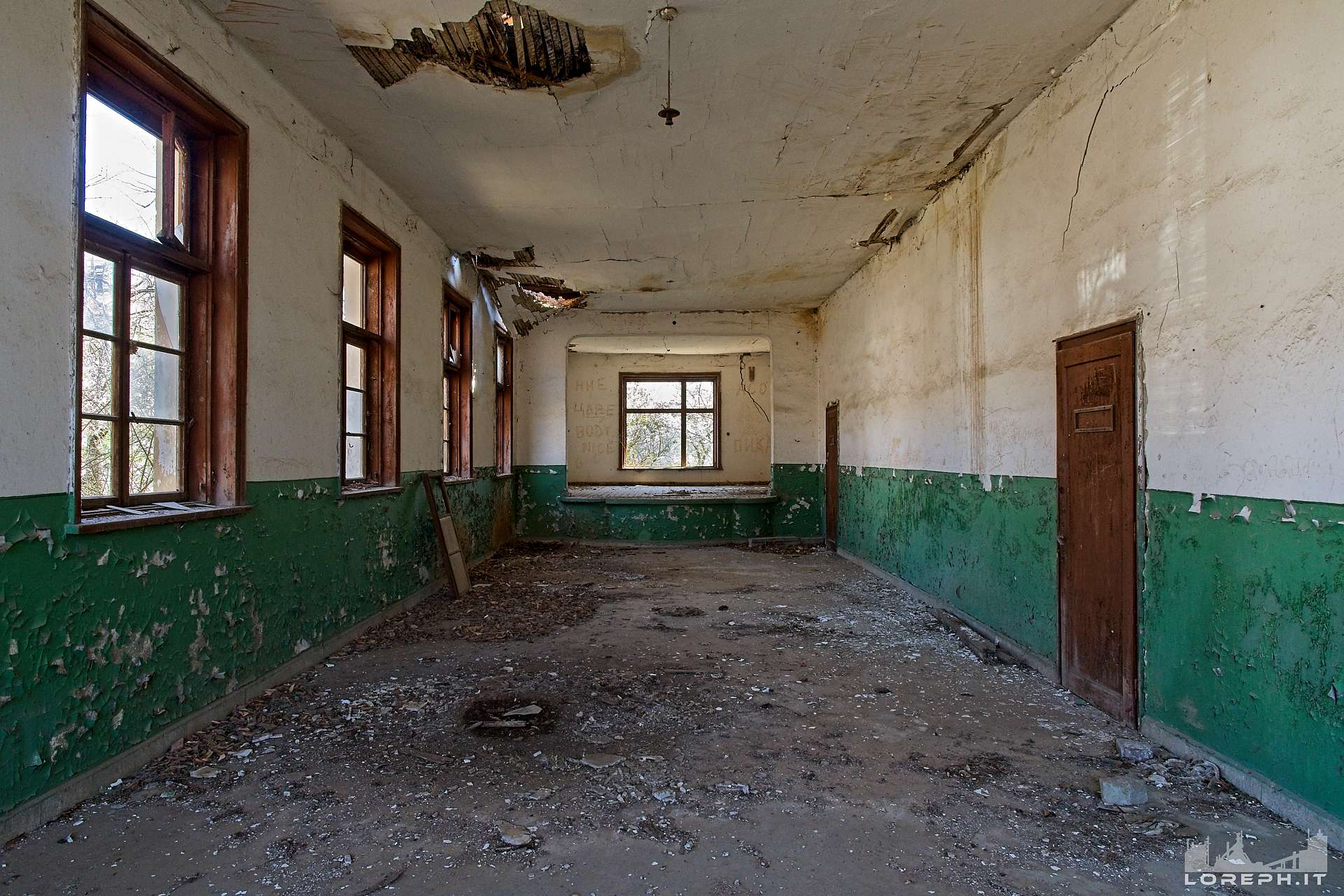
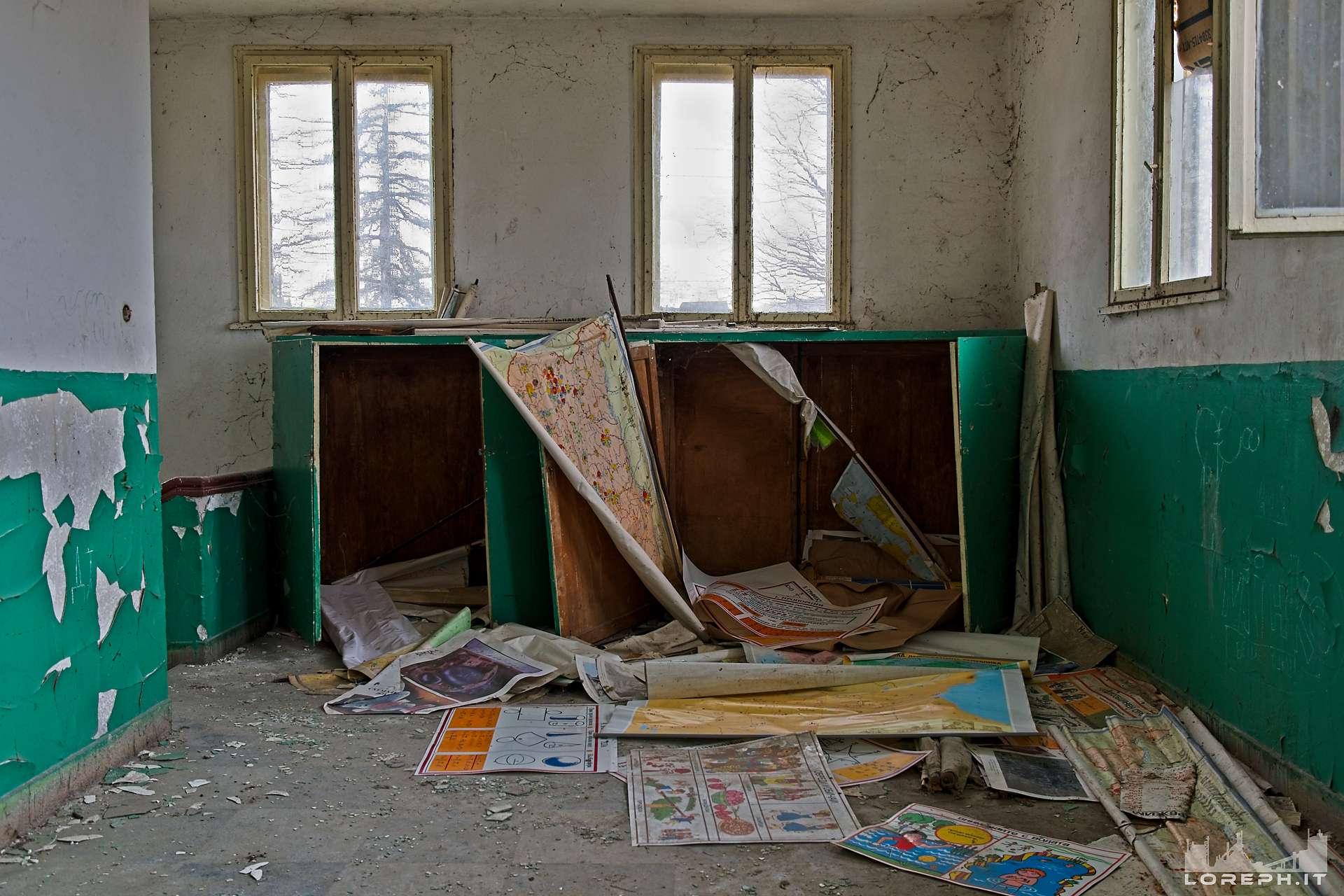
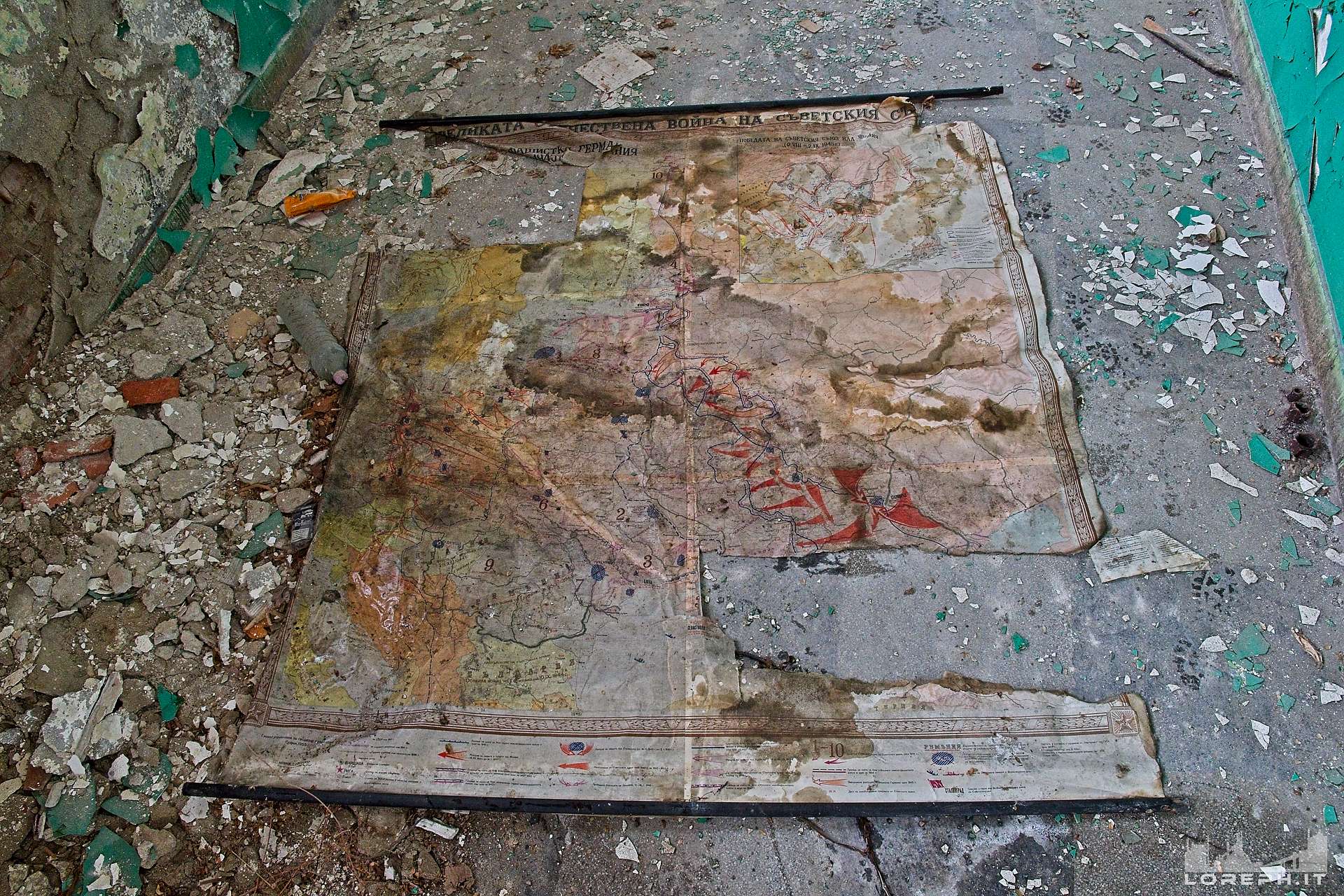
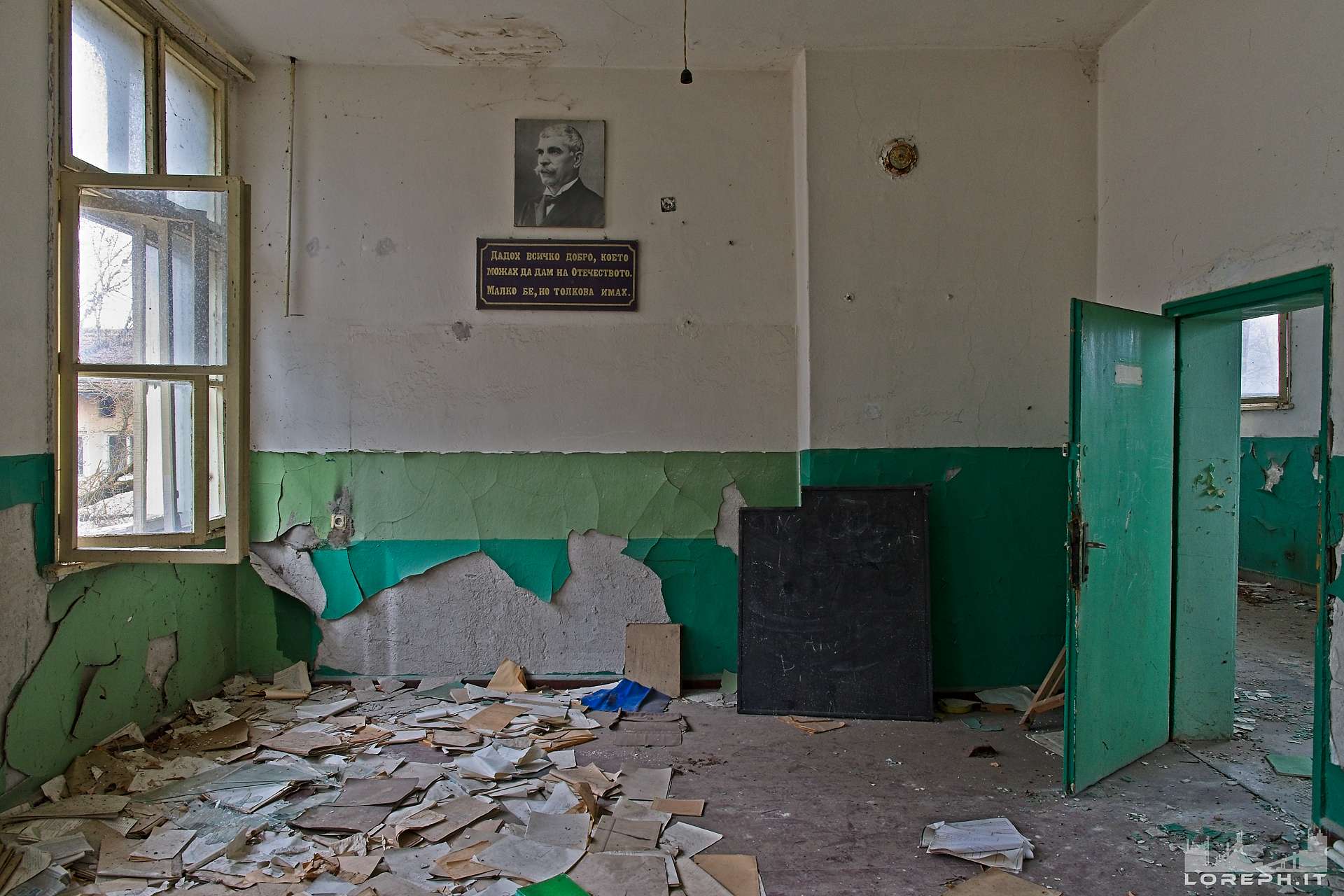
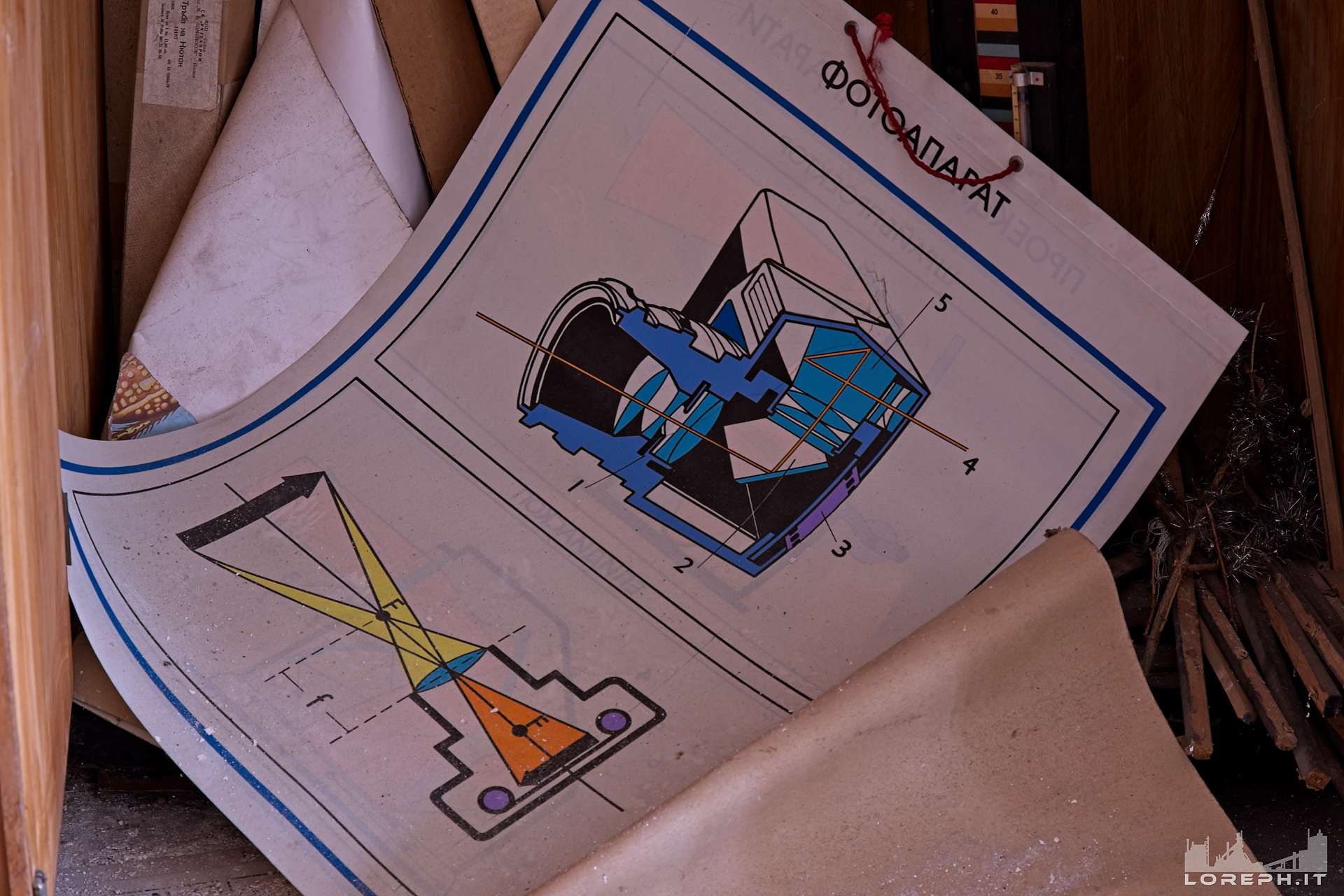
The decline of these institutions began after World War II, when the communist regime promoted rapid urbanization and industrialization. However, the most dramatic population loss occurred after the fall of communism in the late 20th century, when land privatization and economic instability accelerated migration toward cities and abroad. Today, rural population levels have dropped by approximately 60%. As villages emptied, schools lost their purpose. Many were closed due to the lack of children, leaving behind classrooms, laboratories, and educational materials. In some cases, interiors remain partially preserved: science rooms with equipment, books, and even biological specimens stored in formaldehyde, untouched but slowly deteriorating.
These abandoned schools represent more than neglected buildings. They are tangible records of a profound social transformation, reflecting the decline of rural life and the shifting economic realities that reshaped Bulgaria over the past century.