CARTIERA VI-MA [IT]
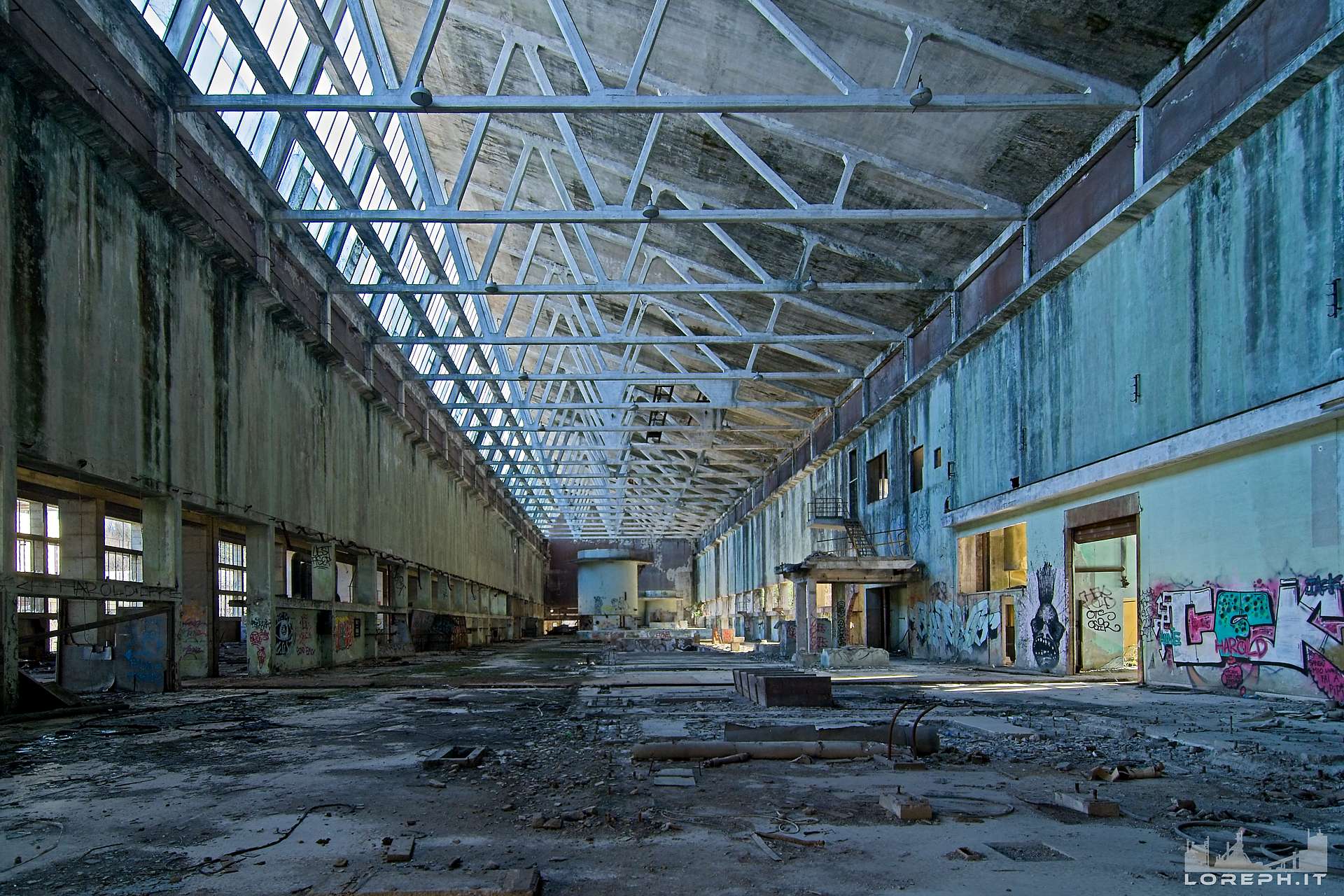
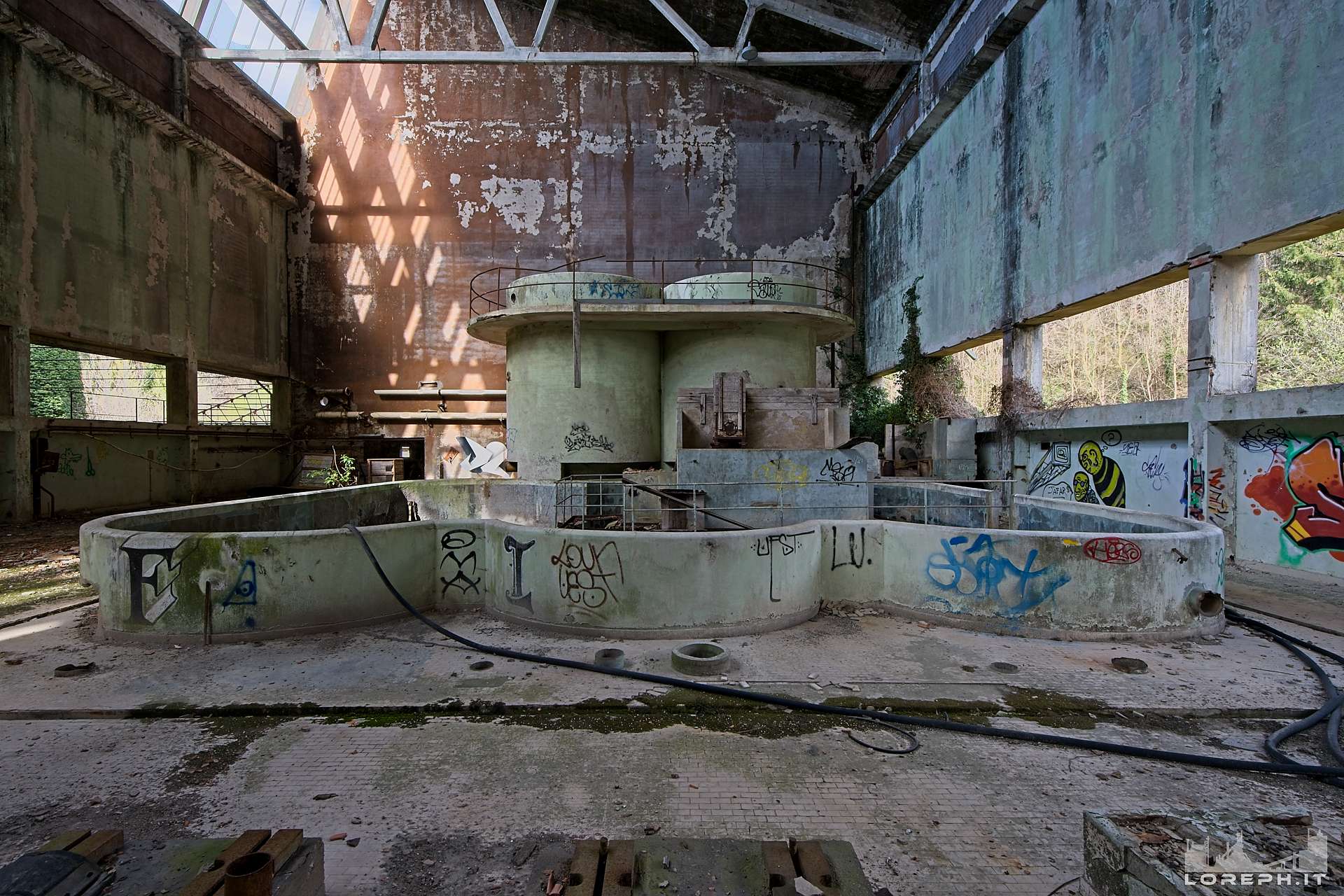
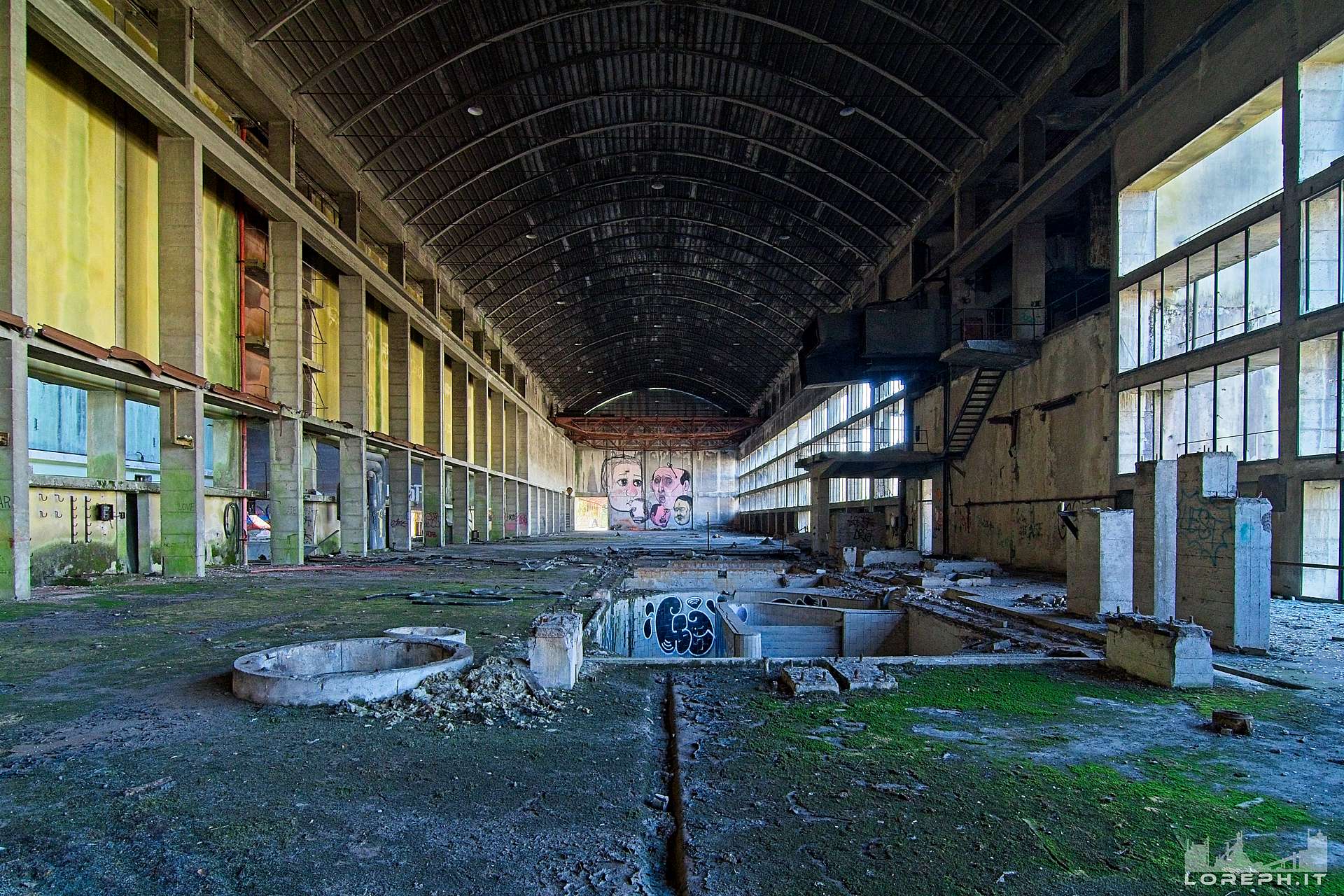
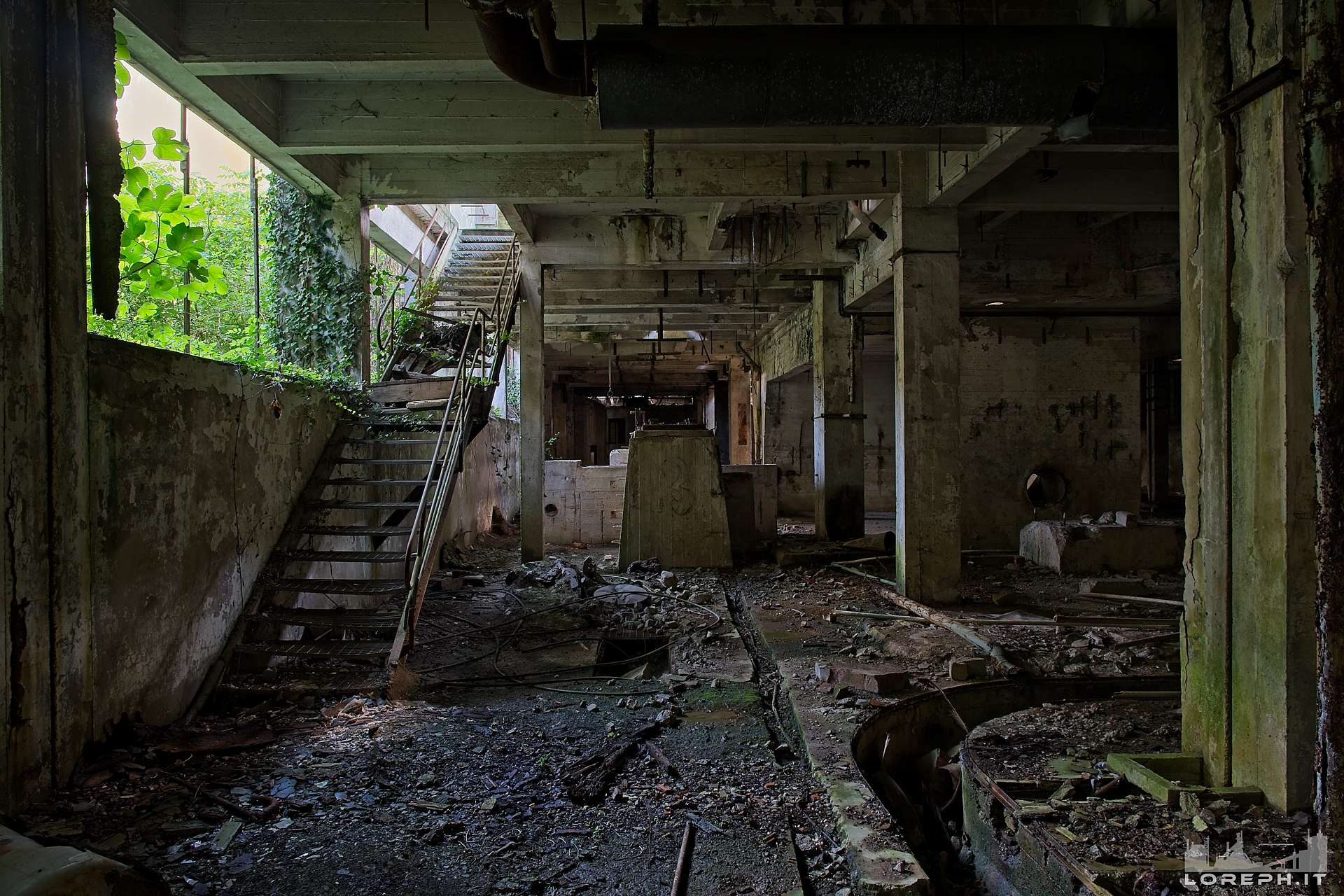
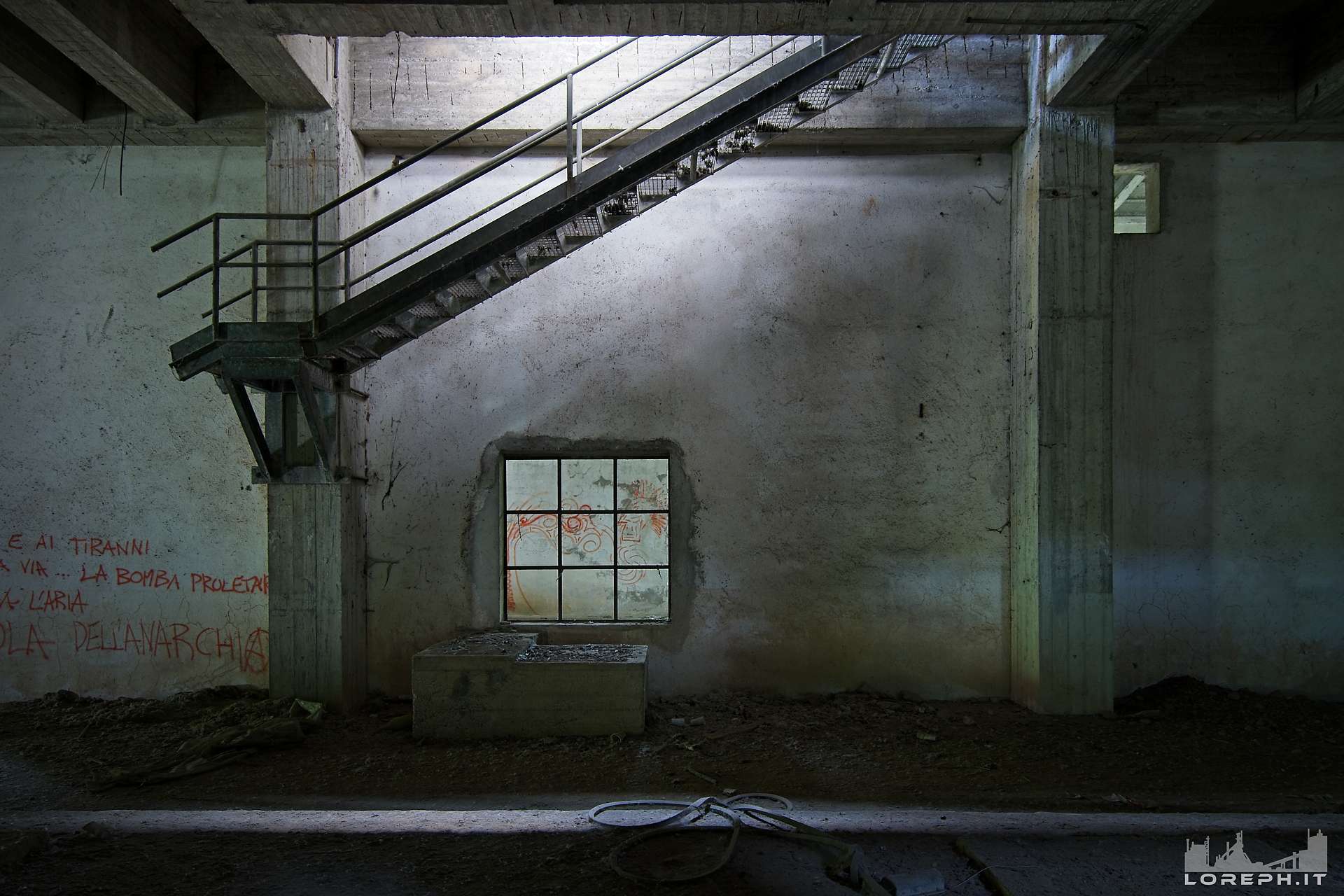
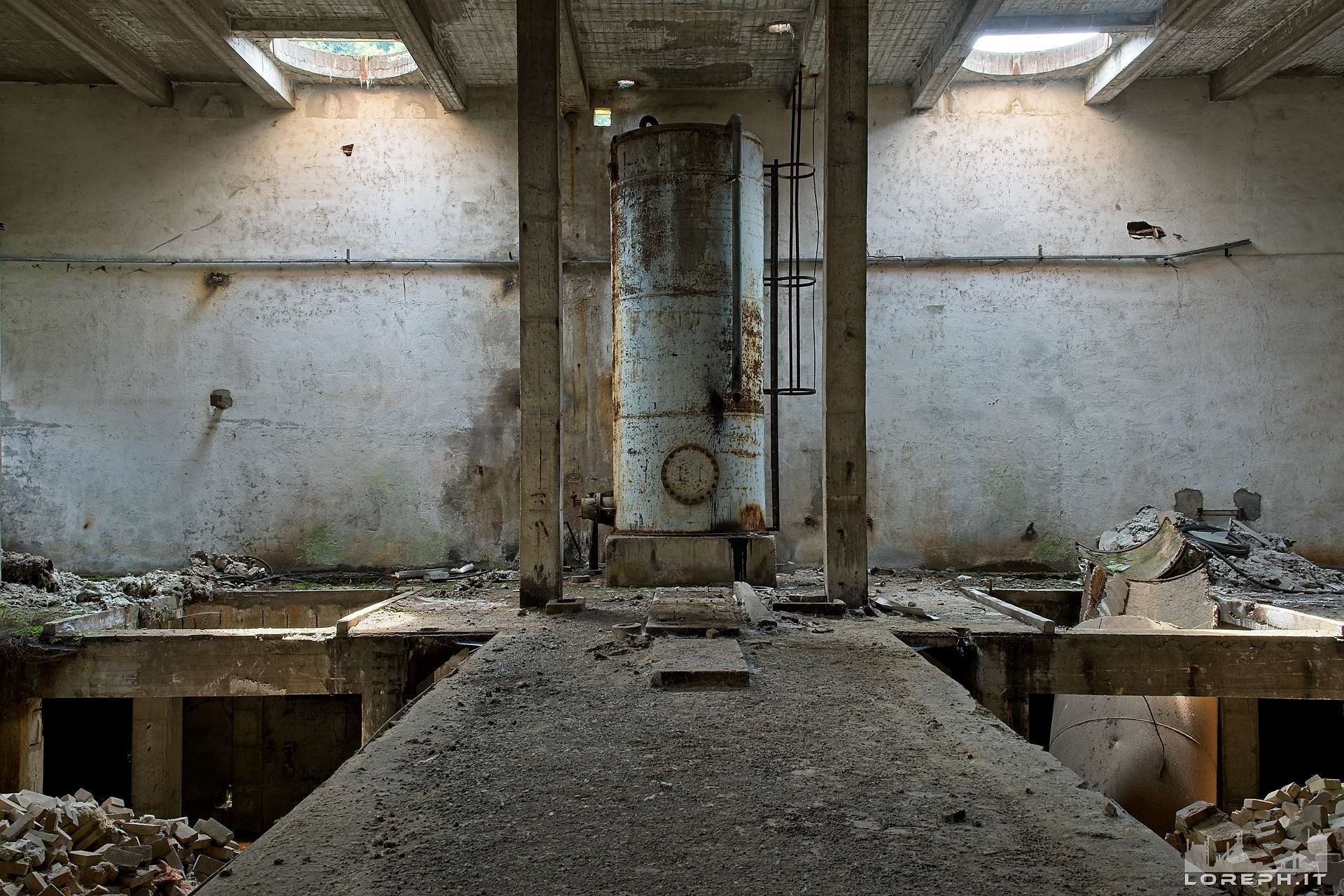
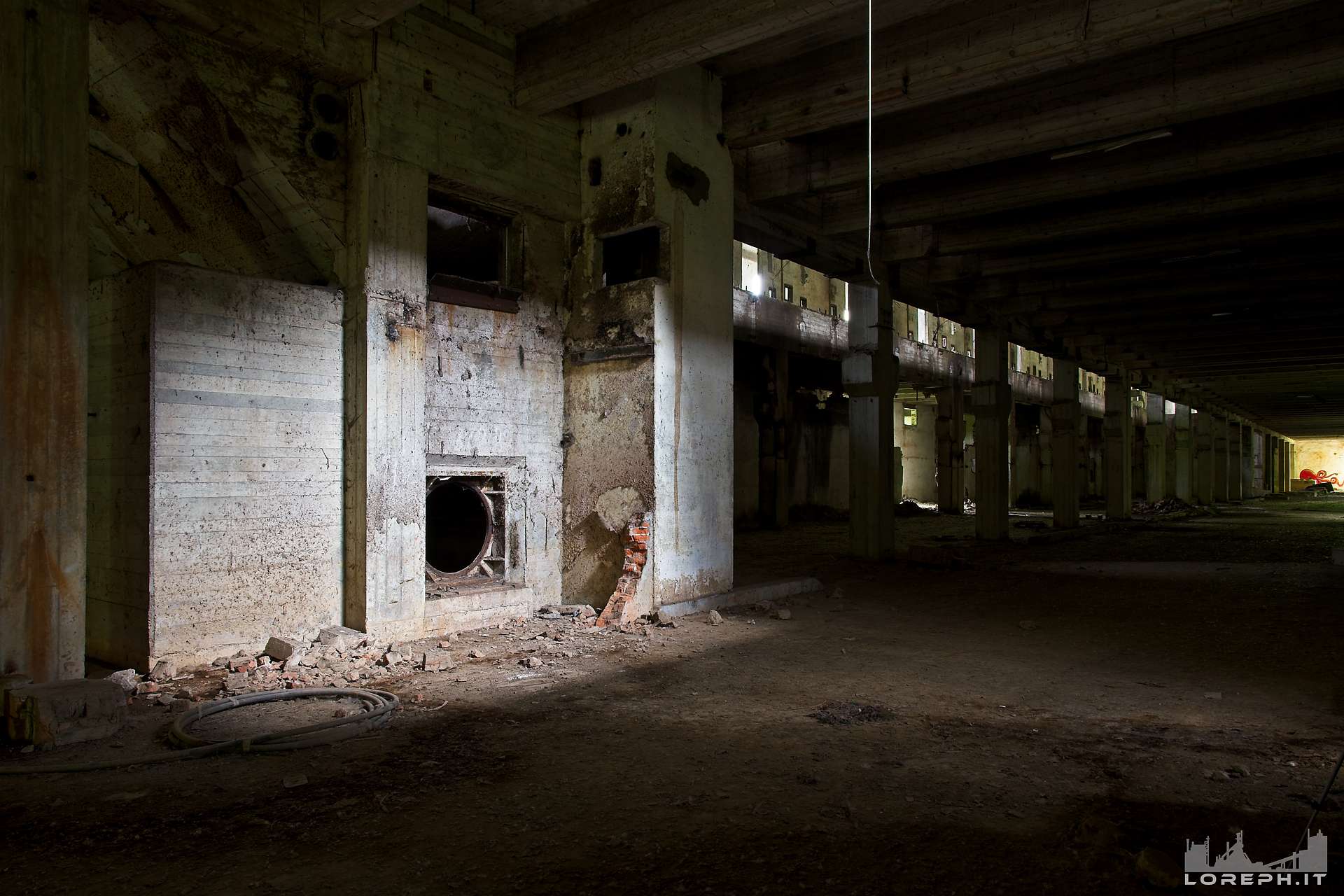
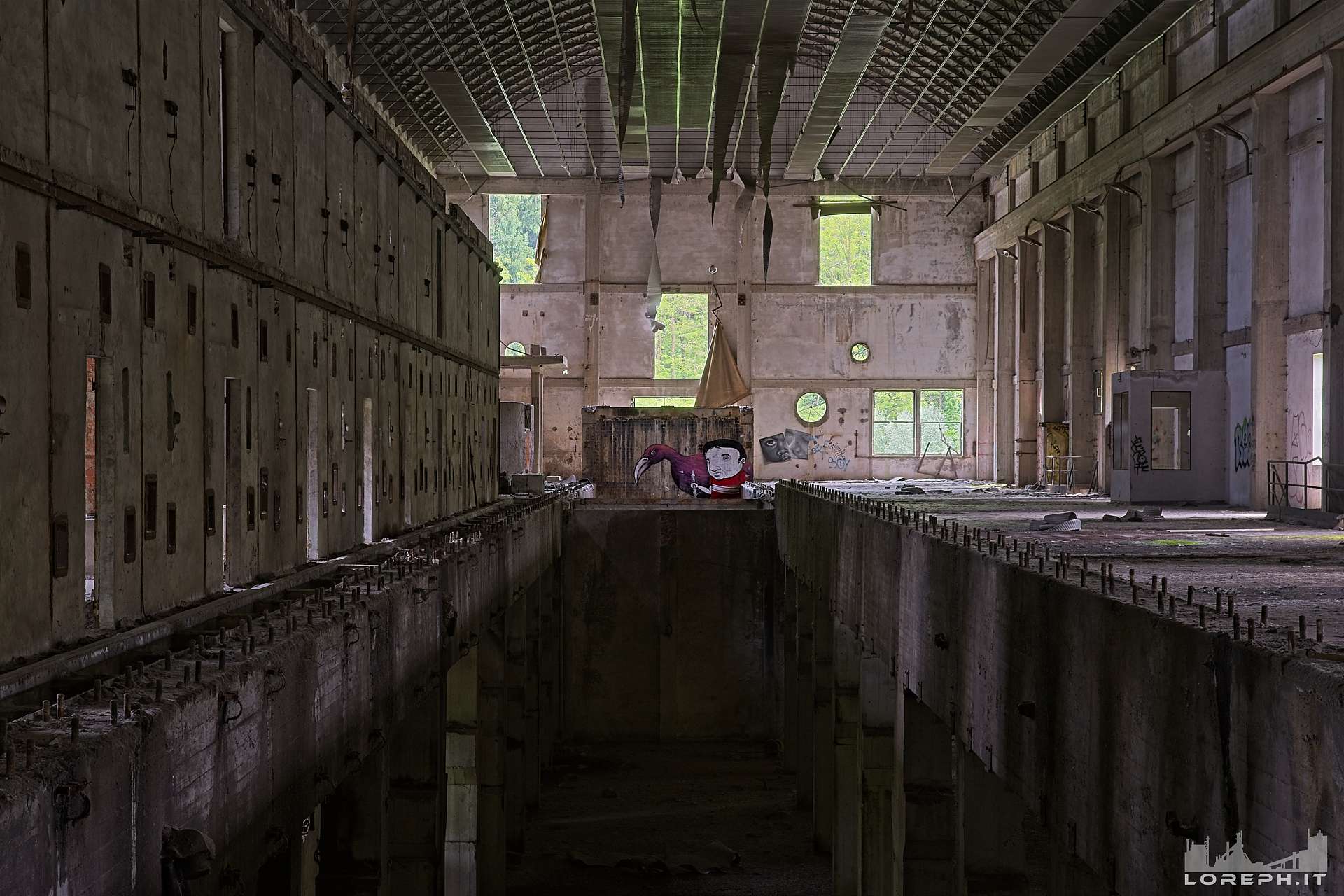
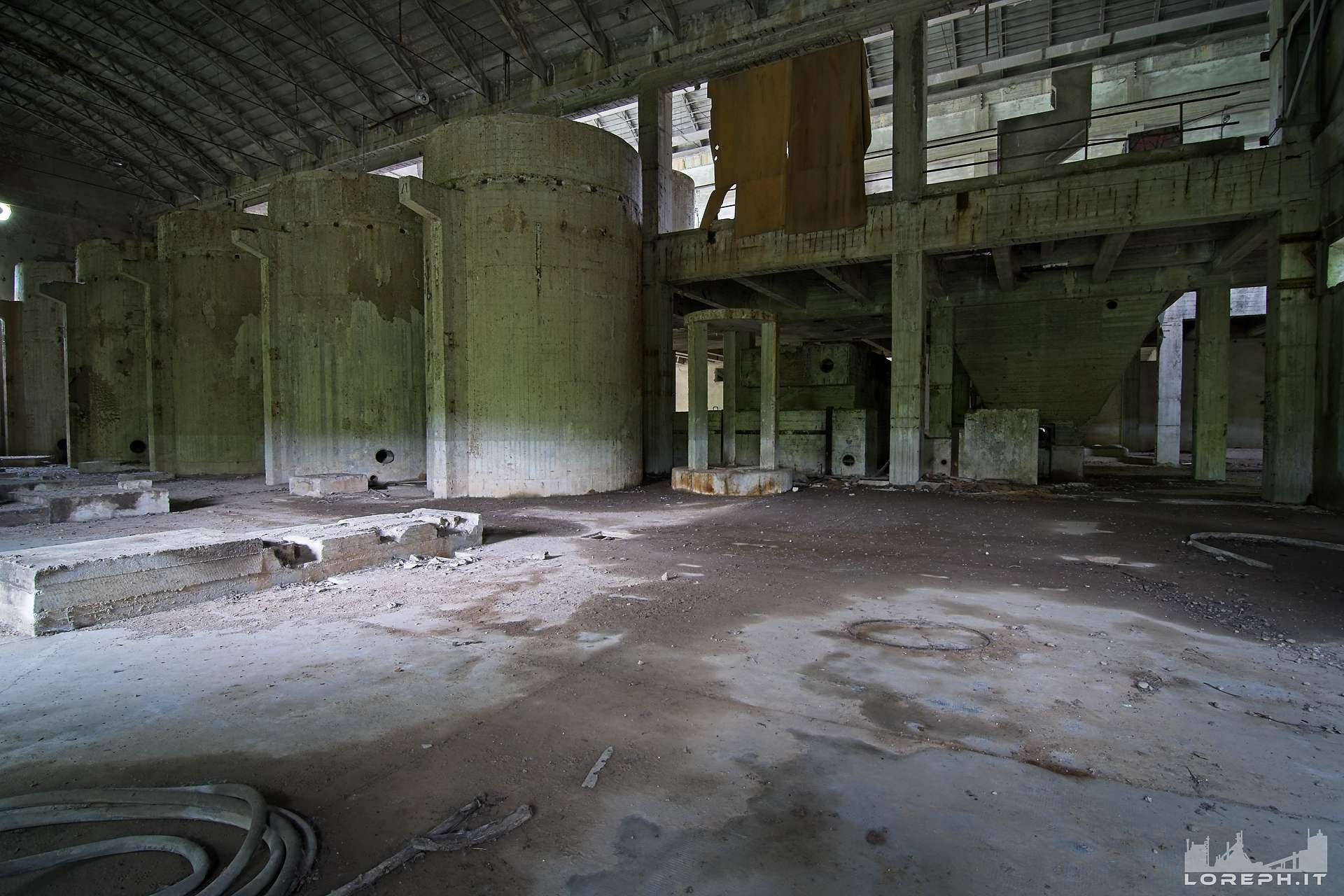
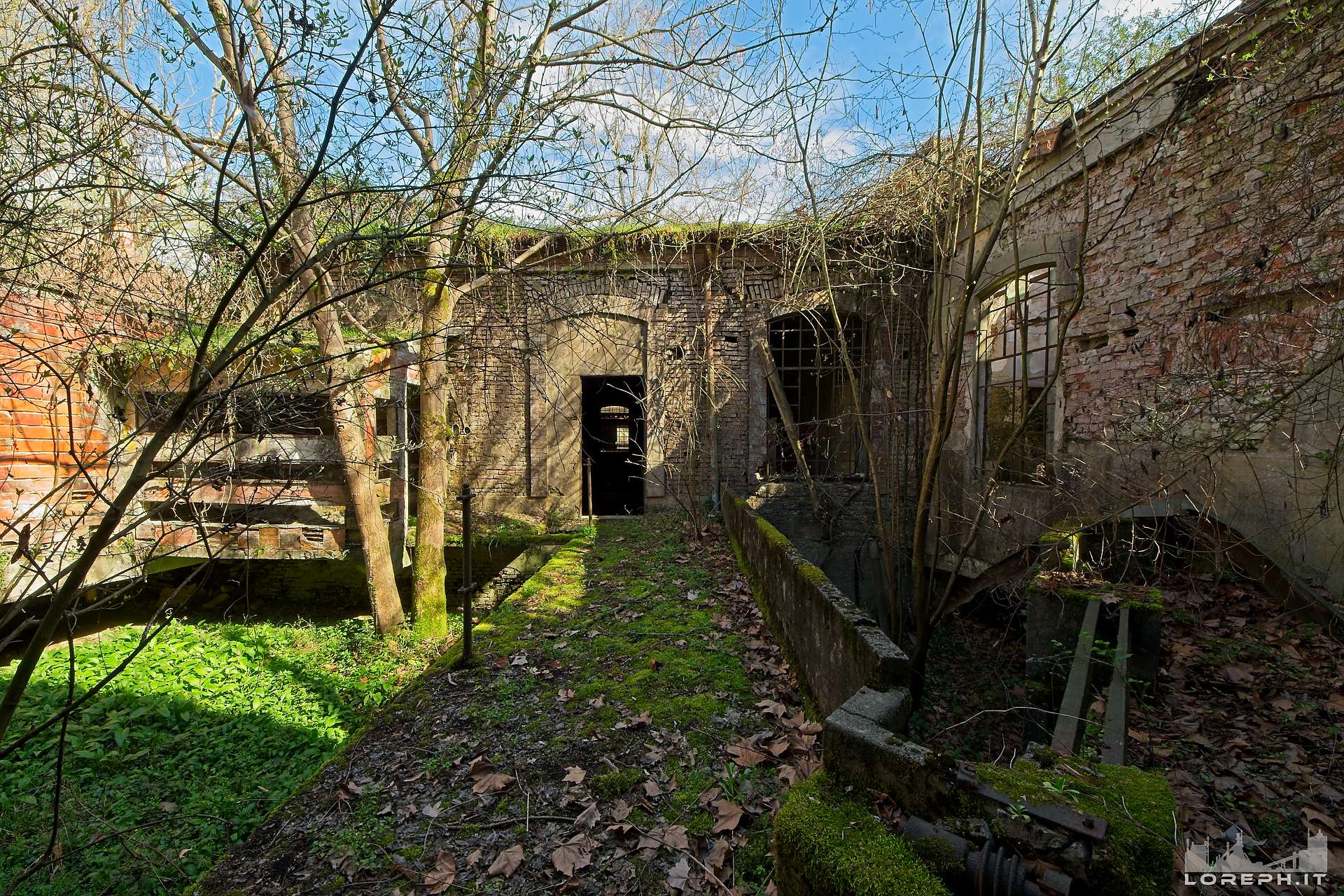
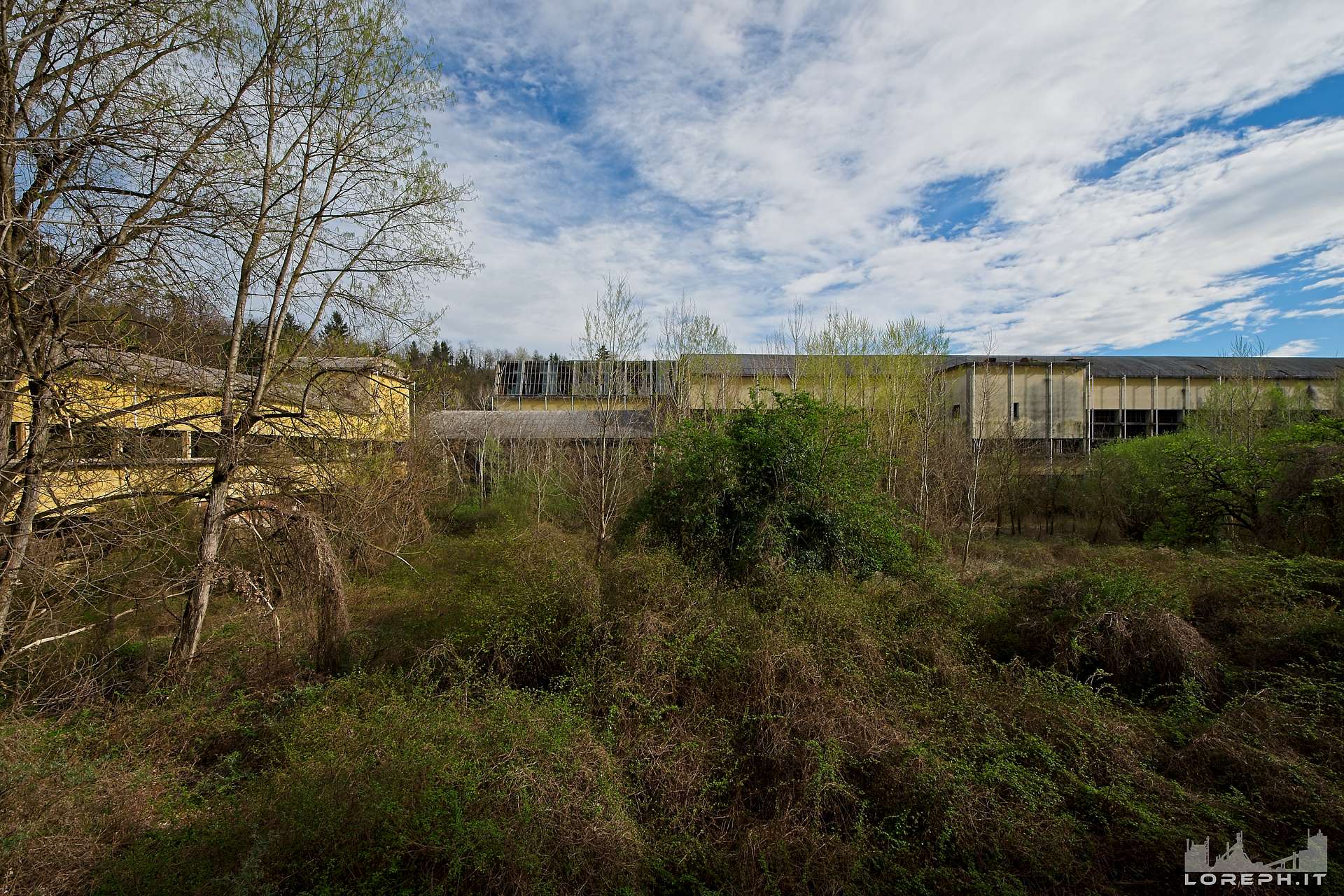
Exploration #285. The VI-MA paper mill in Cairate was born in the post-war boom as a separate production pole linked to the Vita-Mayer group. Built south of the older mill, it served the rising market for disposable paper before the crisis and closure of 1977.
In the industrial landscape of the Olona Valley, the Cartiera VI-MA of Cairate represents one of the clearest signs of Italy’s economic expansion after the Second World War. It must not be confused with the historic Vita-Mayer paper mill, whose roots go back to the nineteenth century. VI-MA came later, when Astorre Mayer redirected production toward mass consumption and disposable paper goods. The new plant answered a practical need: the original factory, compressed between Cairate and Lonate Ceppino, had almost exhausted its available space.
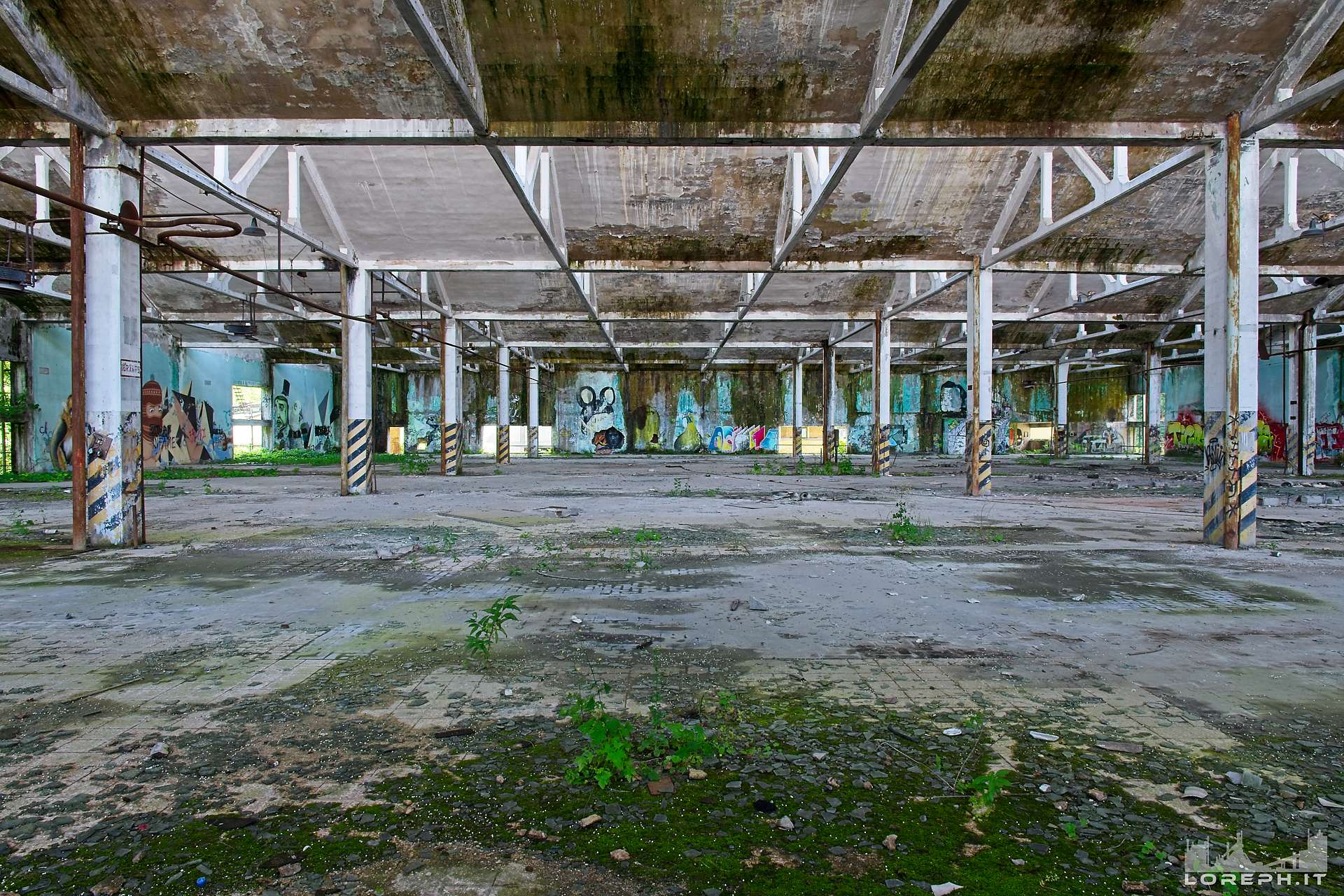
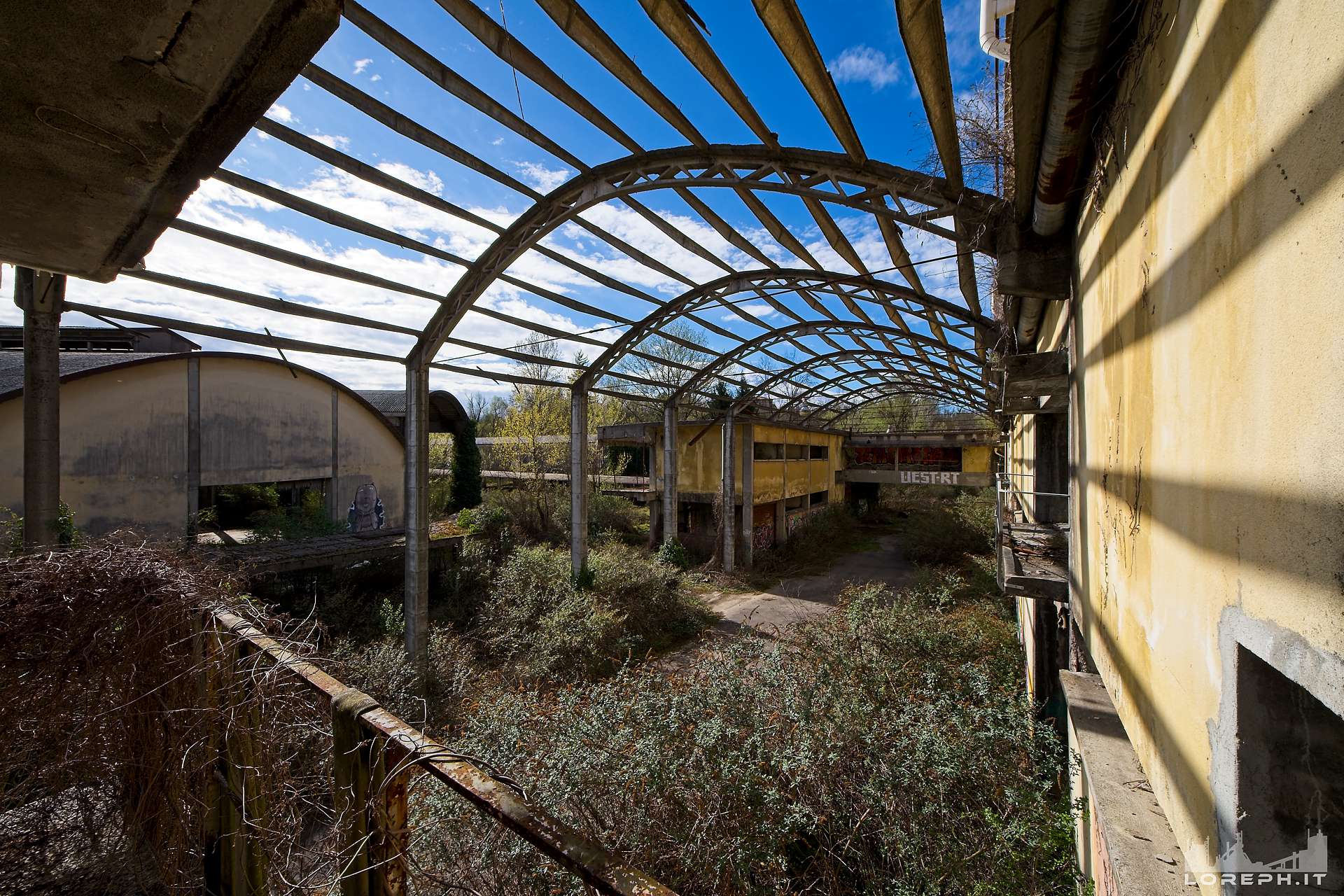
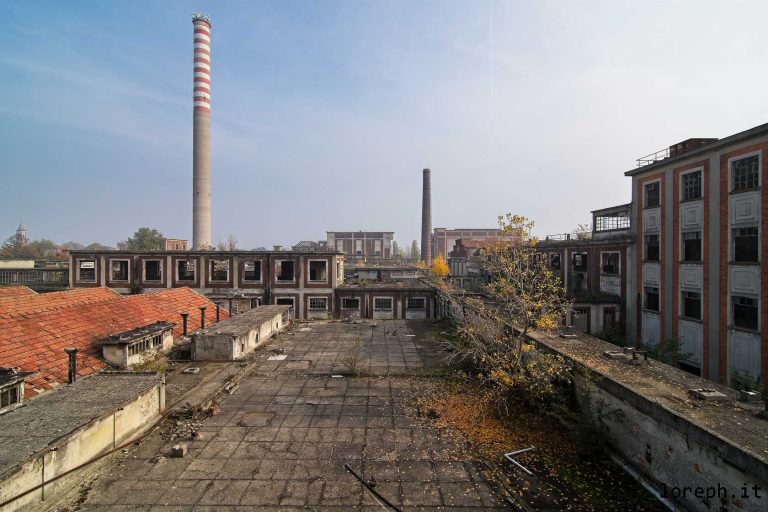
Around the 1950s and 1960s, demand was growing fast, and the wider Vita-Mayer system reached its peak, with thousands of workers, heavy freight traffic and an annual output reported at 80,000 tons of paper. VI-MA was therefore more than an annex. It was the modern face of the company’s final expansion: reinforced-concrete buildings, large industrial volumes and a layout designed for scale. Its story follows the same curve as many Italian paper industries: growth, technological ambition, then sudden decline.
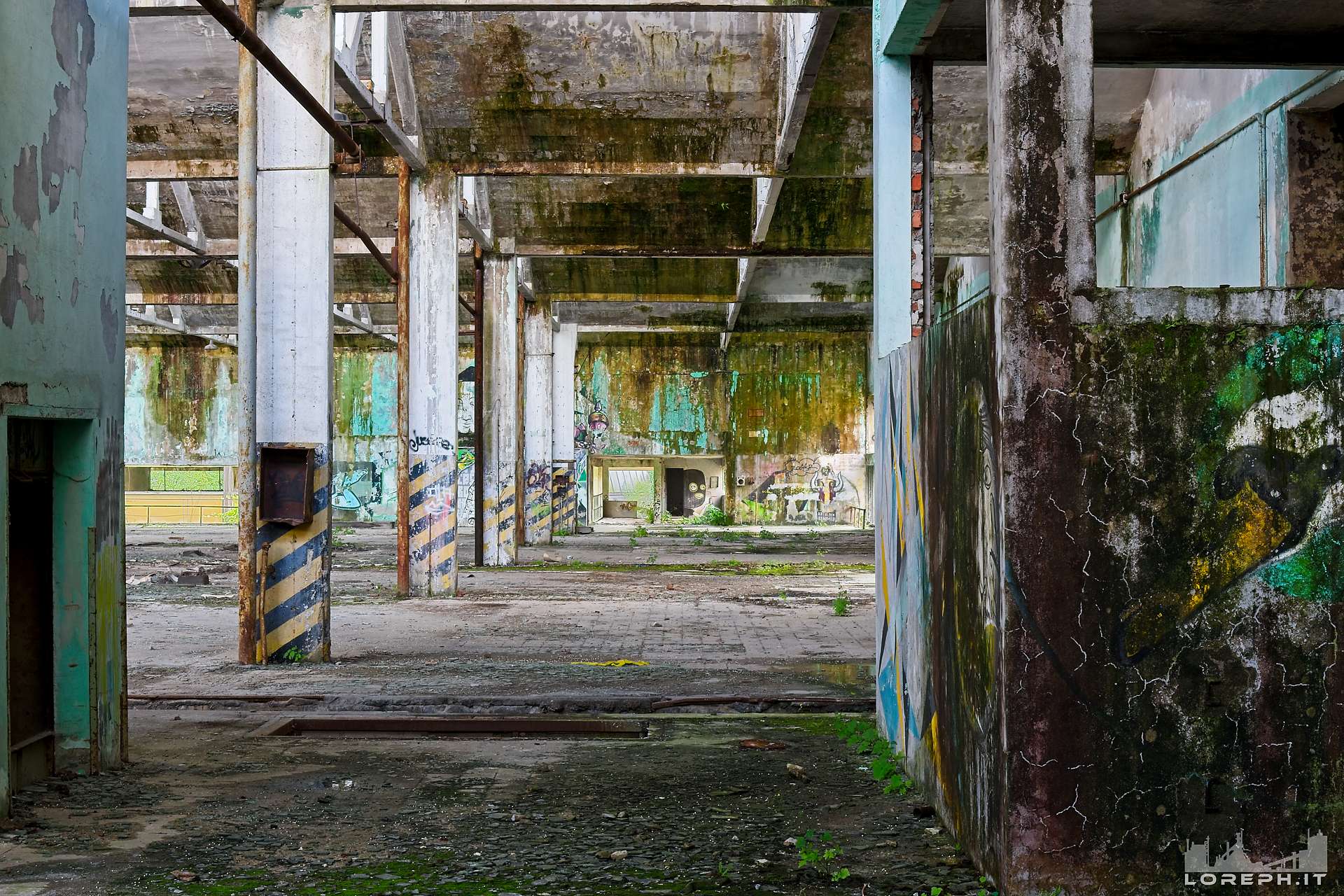
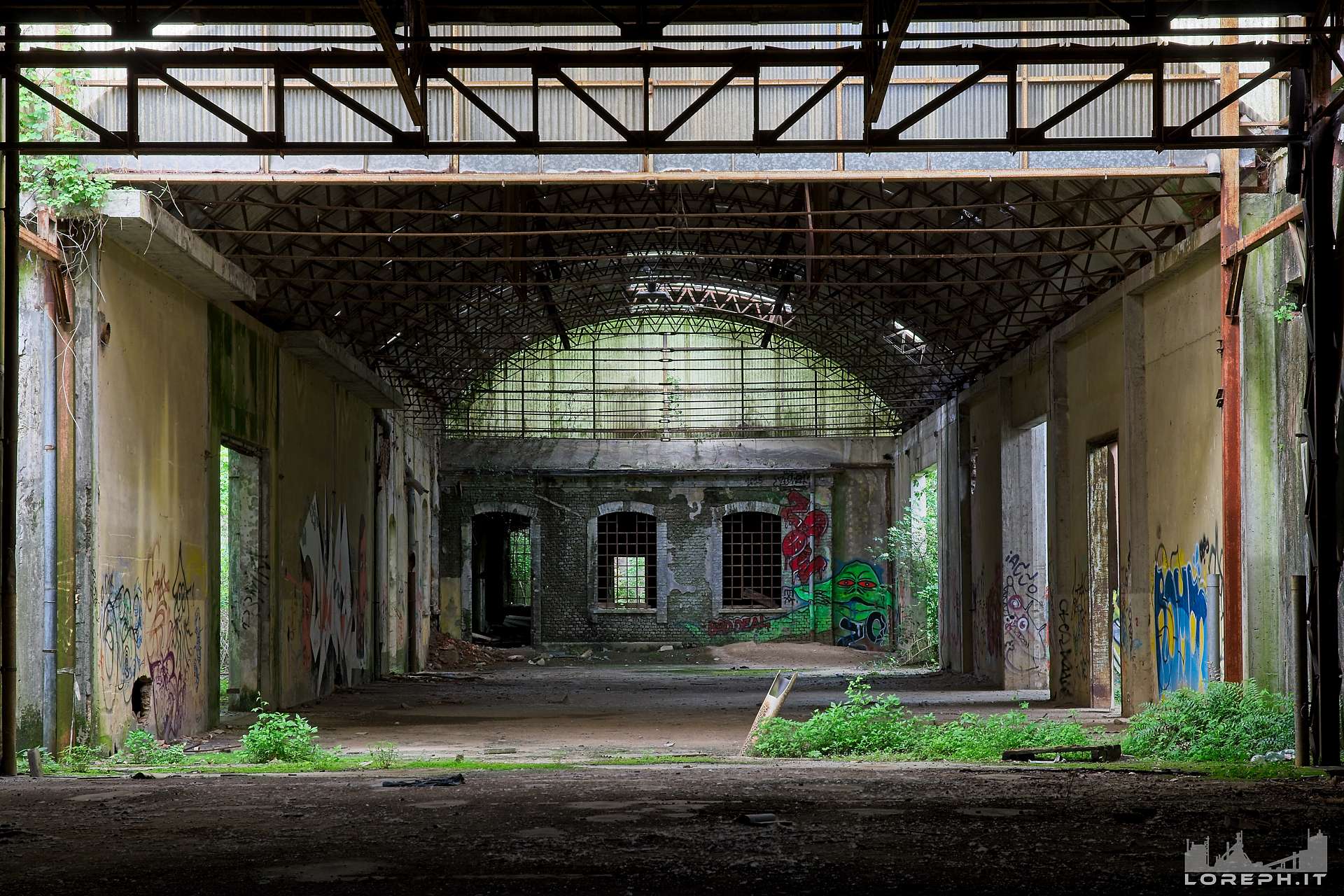
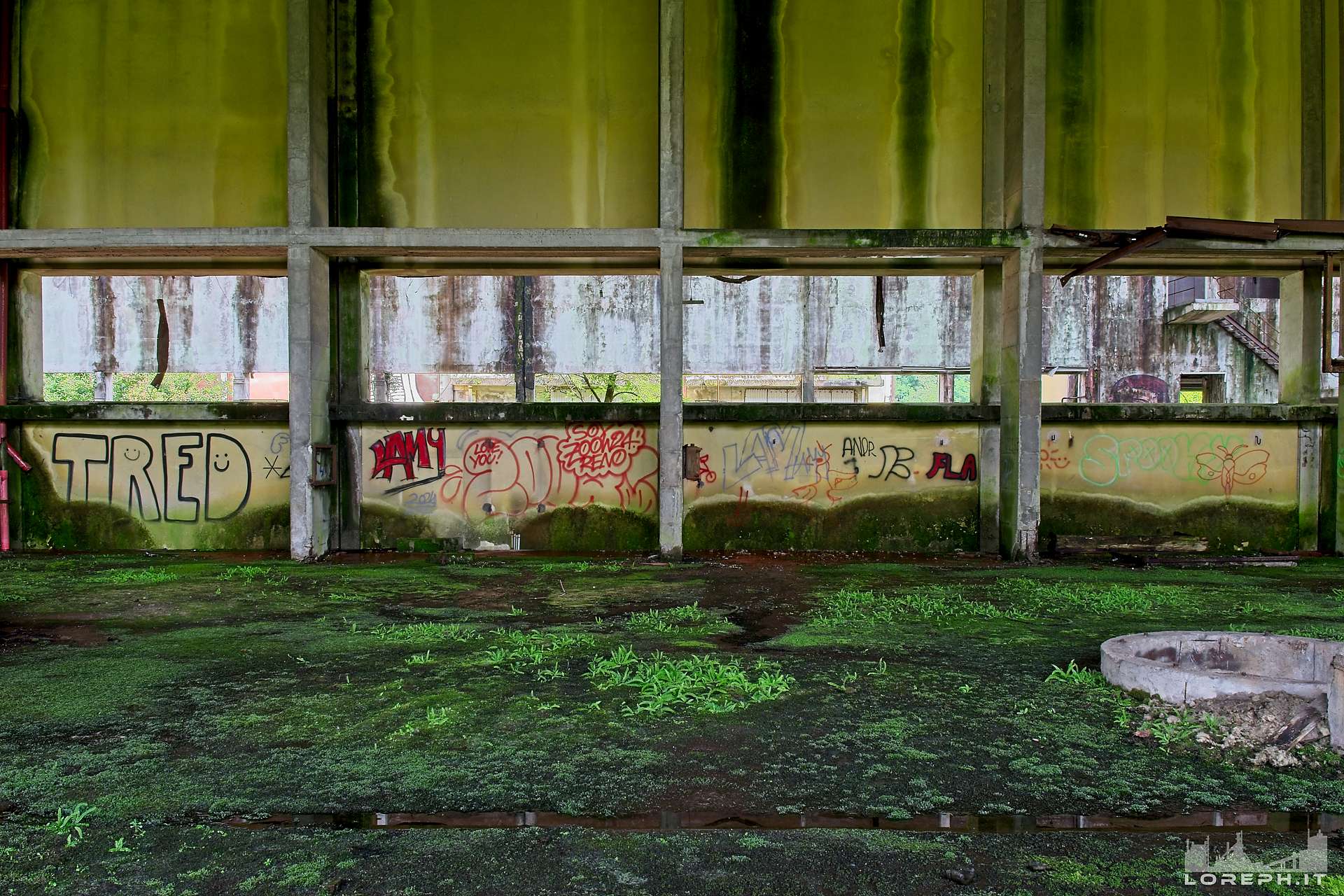
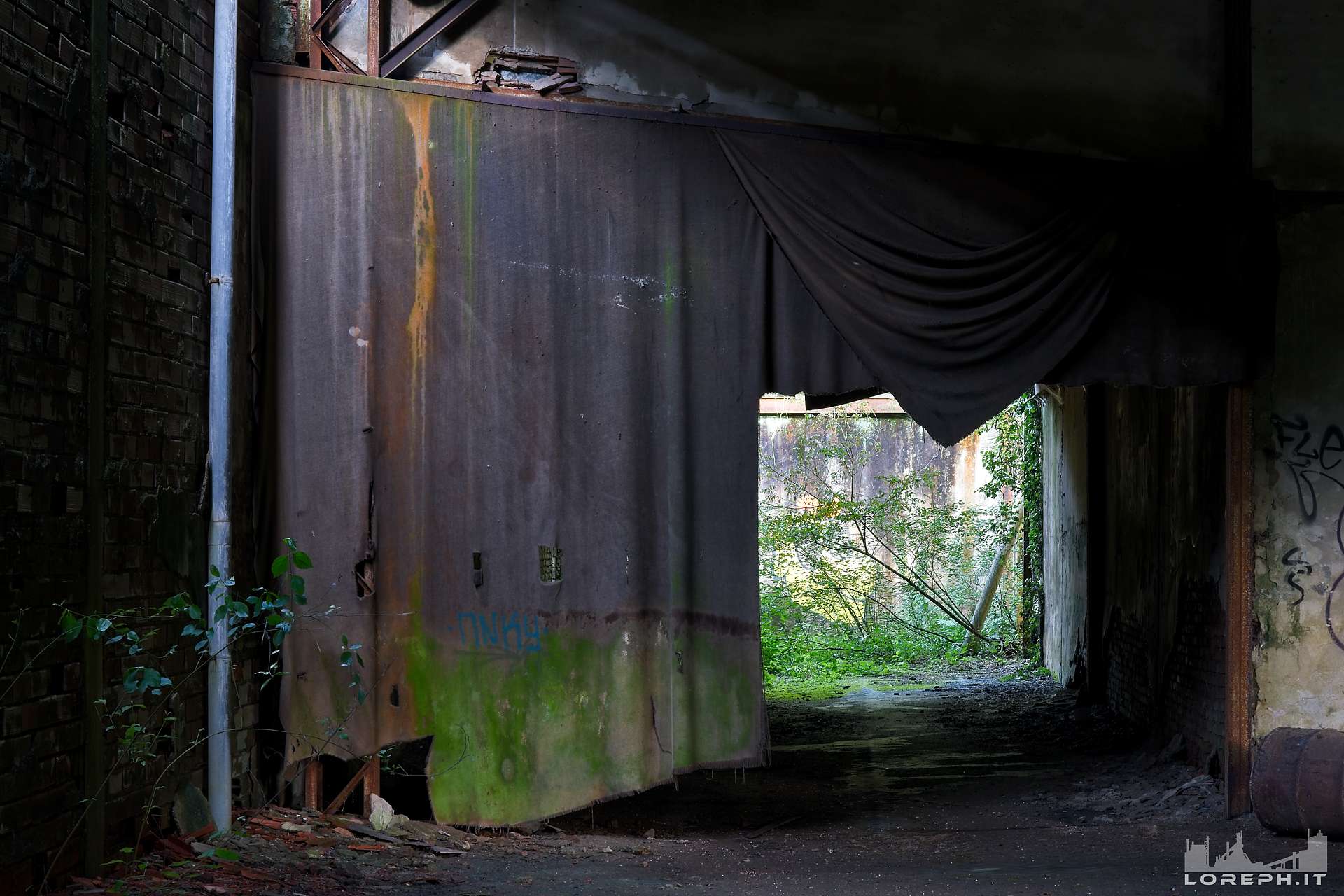
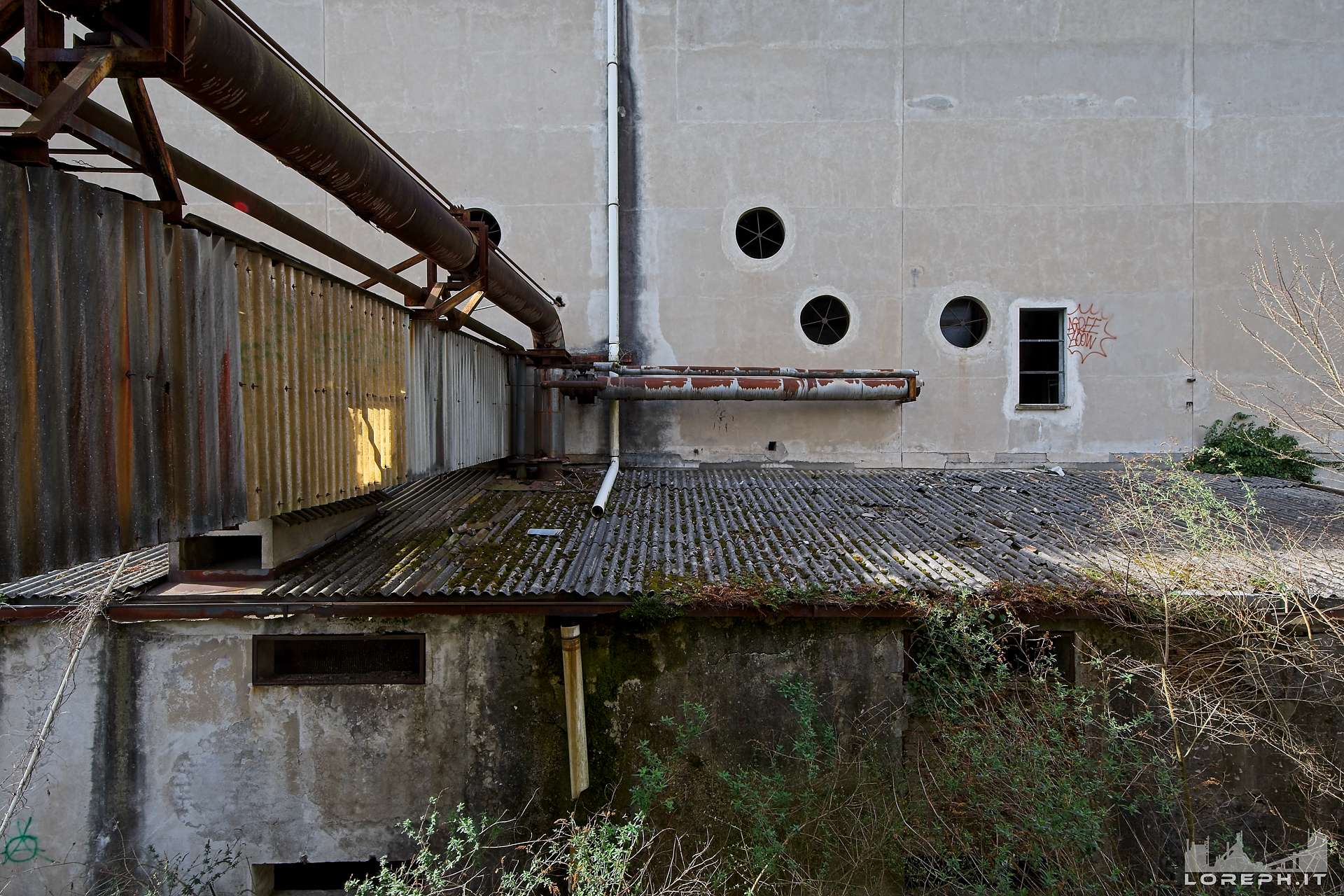
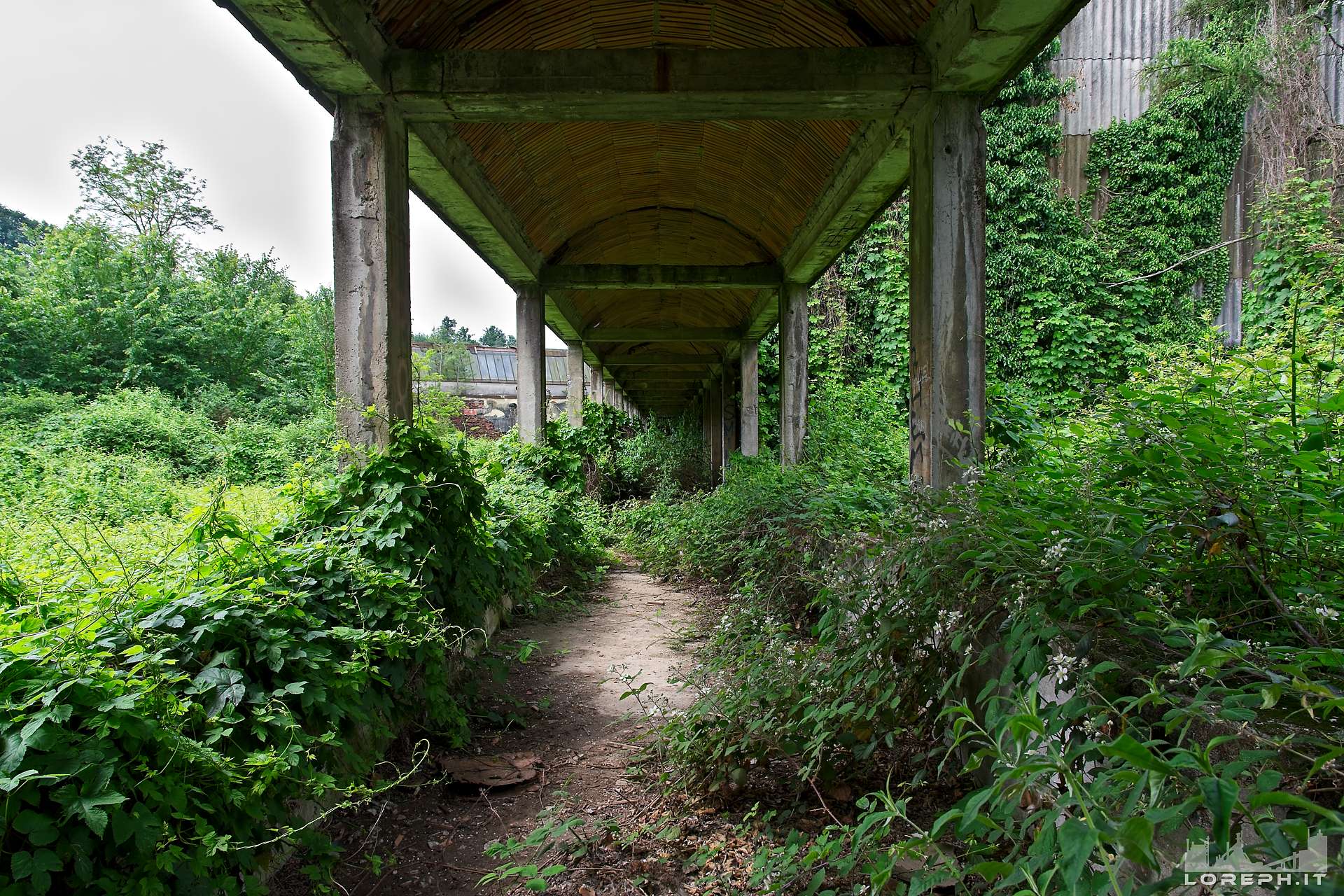
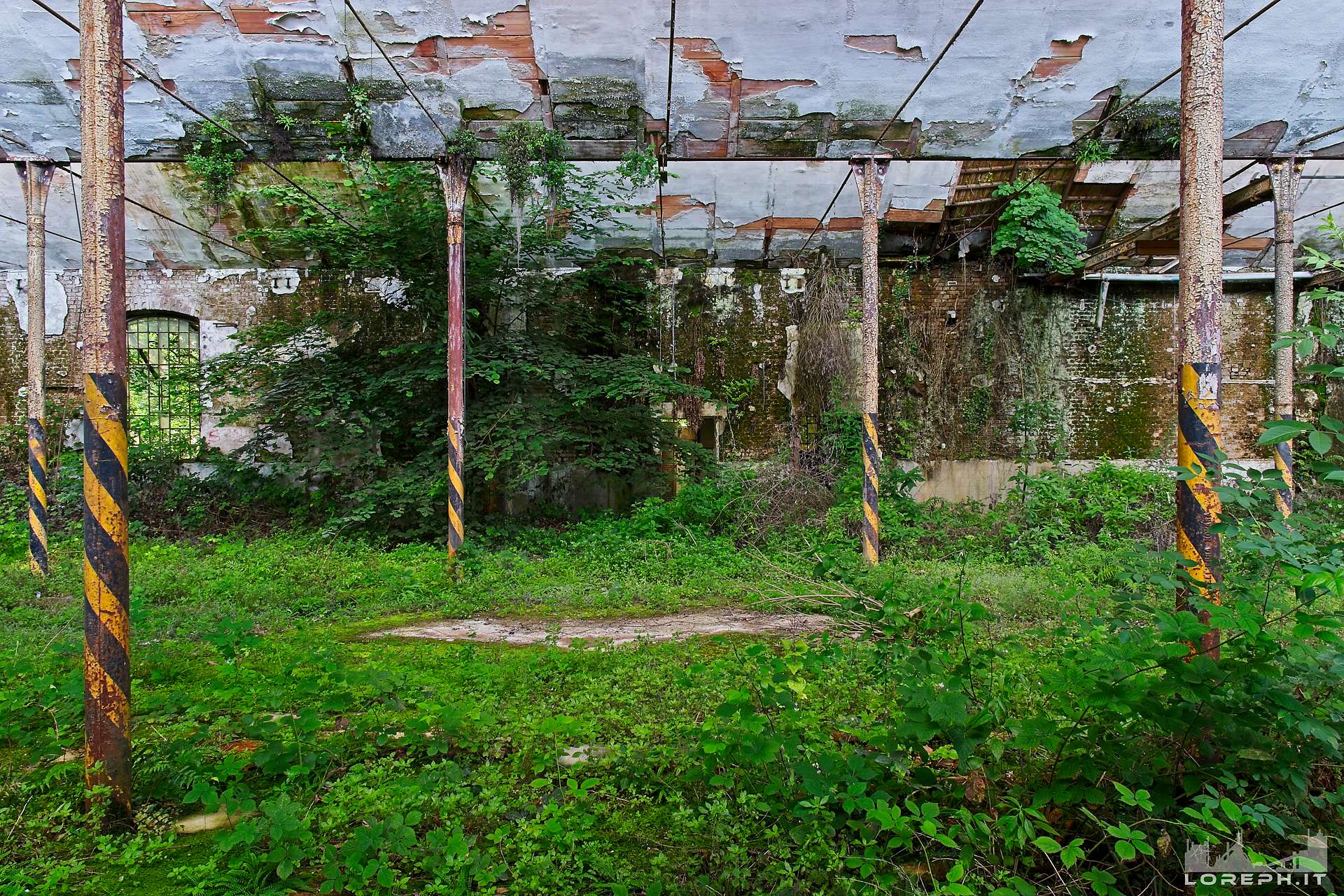
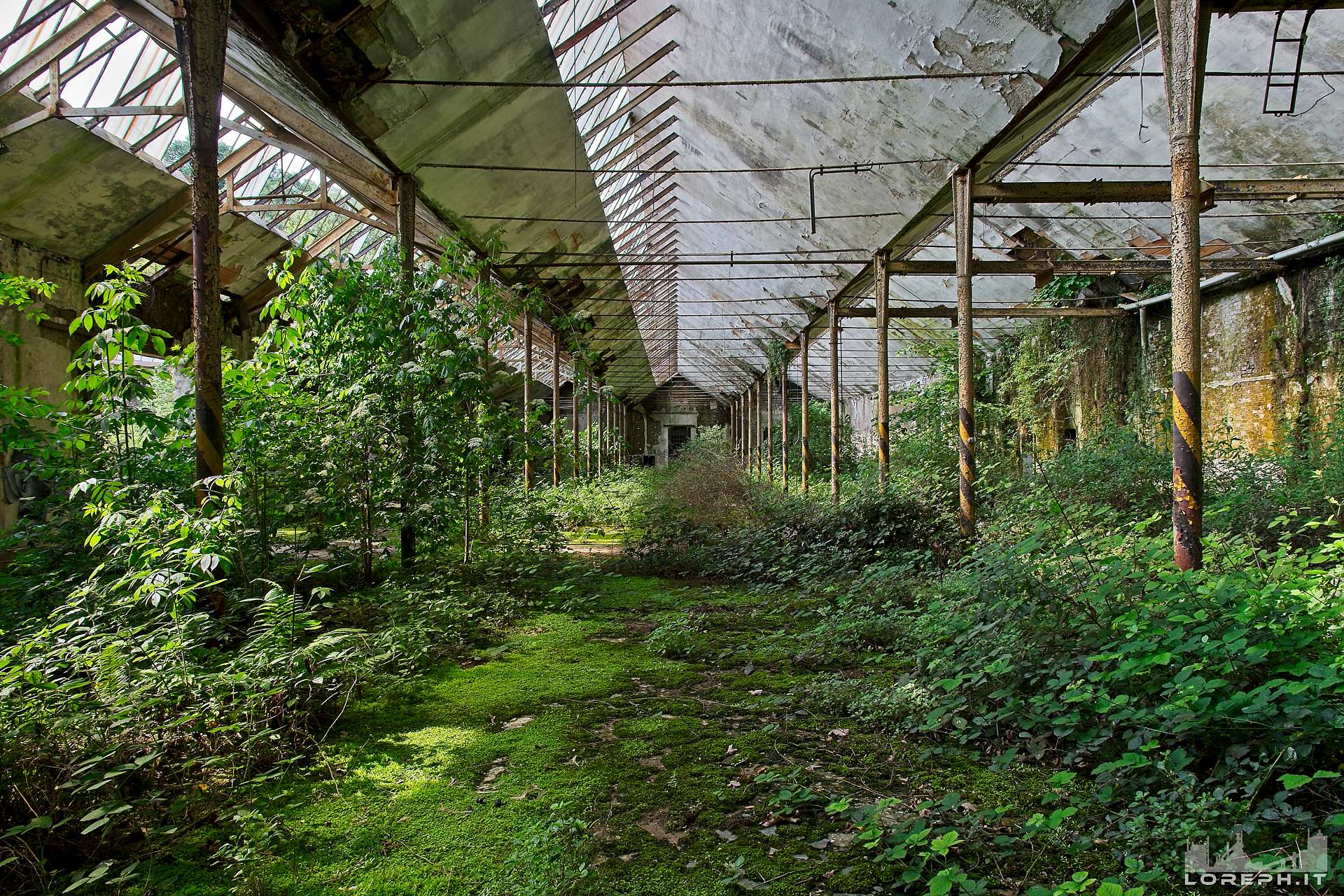
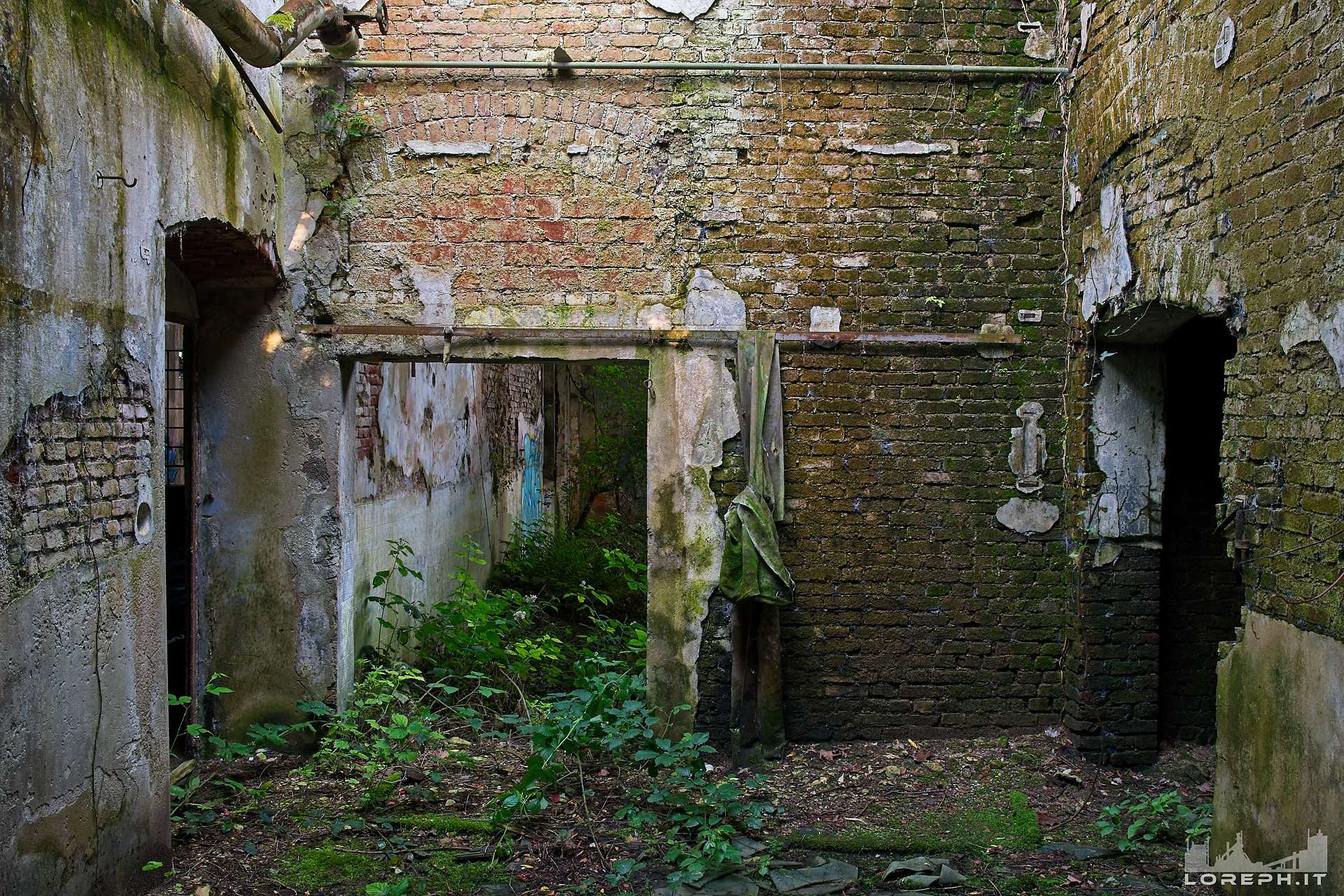
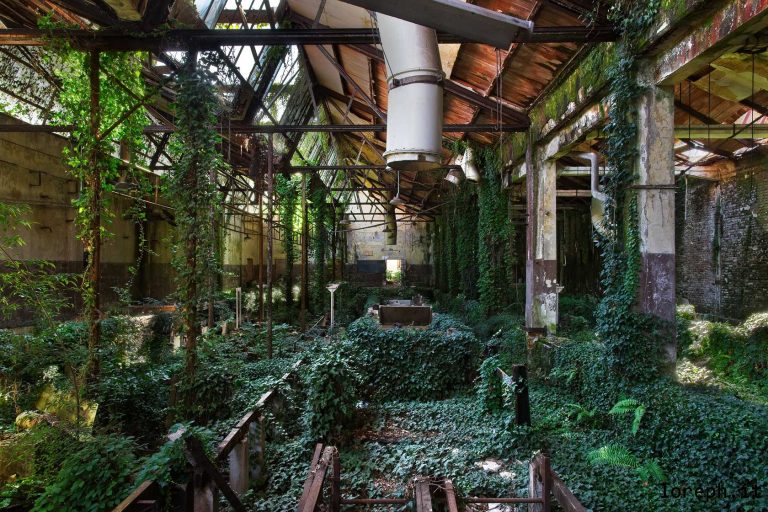
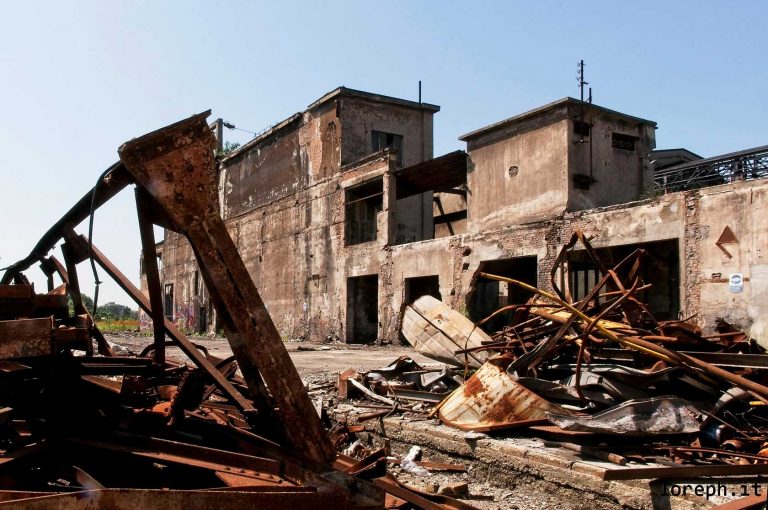
From 1971 the sector was hit by international competition, shortages of timber and wider social and political instability. Floods of the Olona added further damage. In 1977 the group collapsed, leaving VI-MA silent together with the rest of the Cairate paper-making district. Today the former VI-MA paper mill is part of a vast industrial archaeology area between Cairate and Lonate Ceppino. Its abandoned structures preserve the memory of a working valley shaped by water, railways, paper and the fragile optimism of the post-war industrial age.
(main source: https://www.cartieracairate.it/la-storia/).