URANIUM MINE OFFICE [BG]
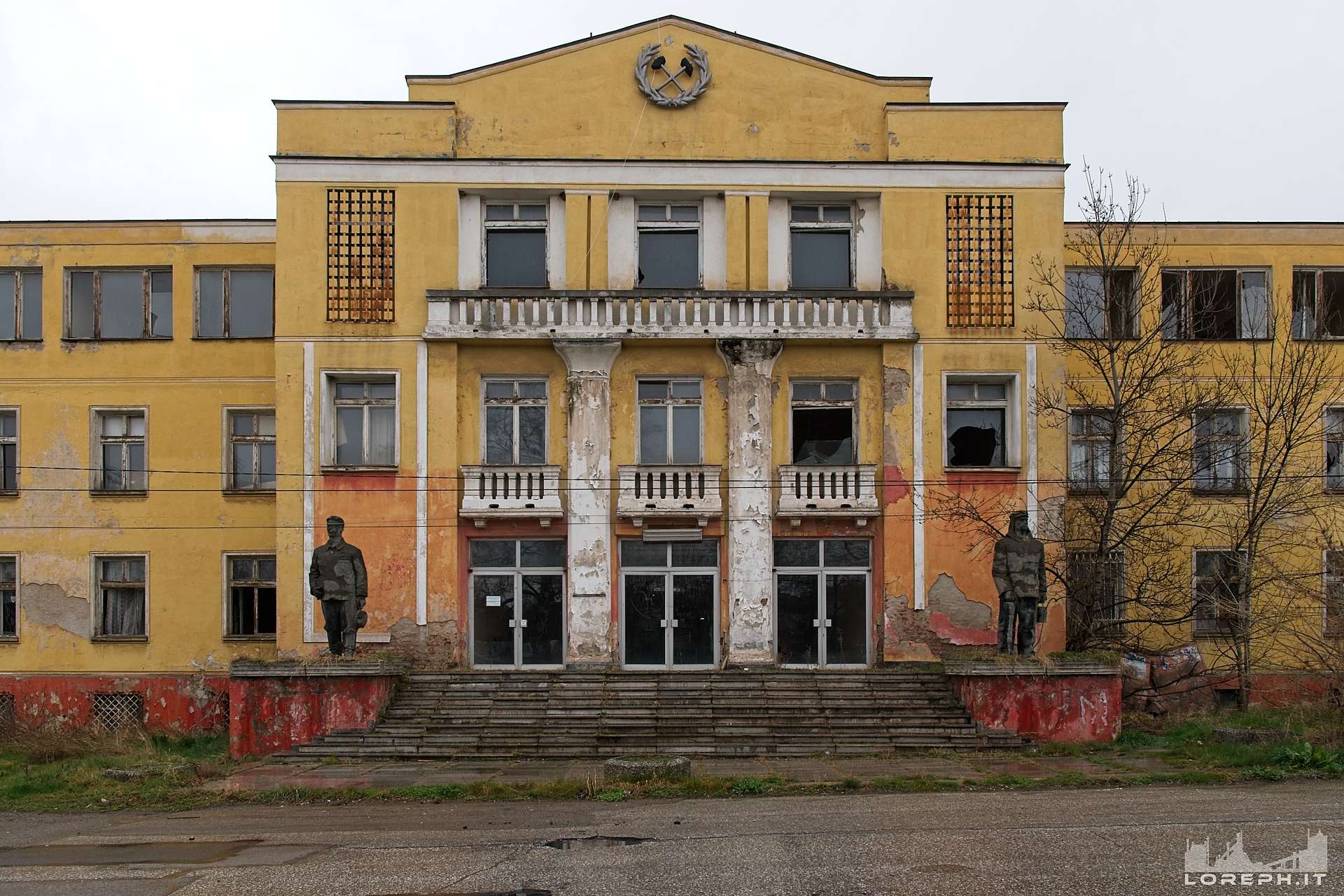
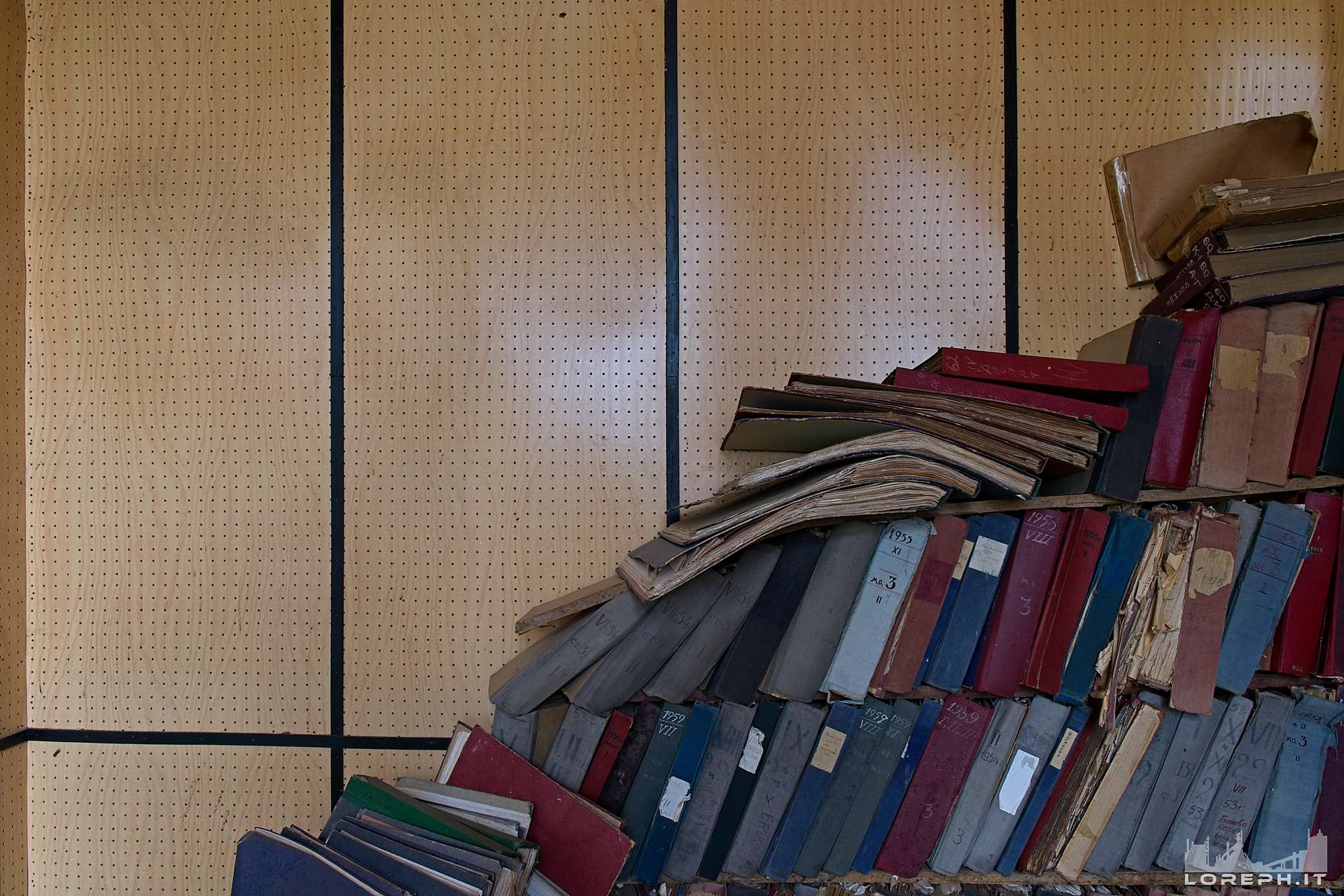
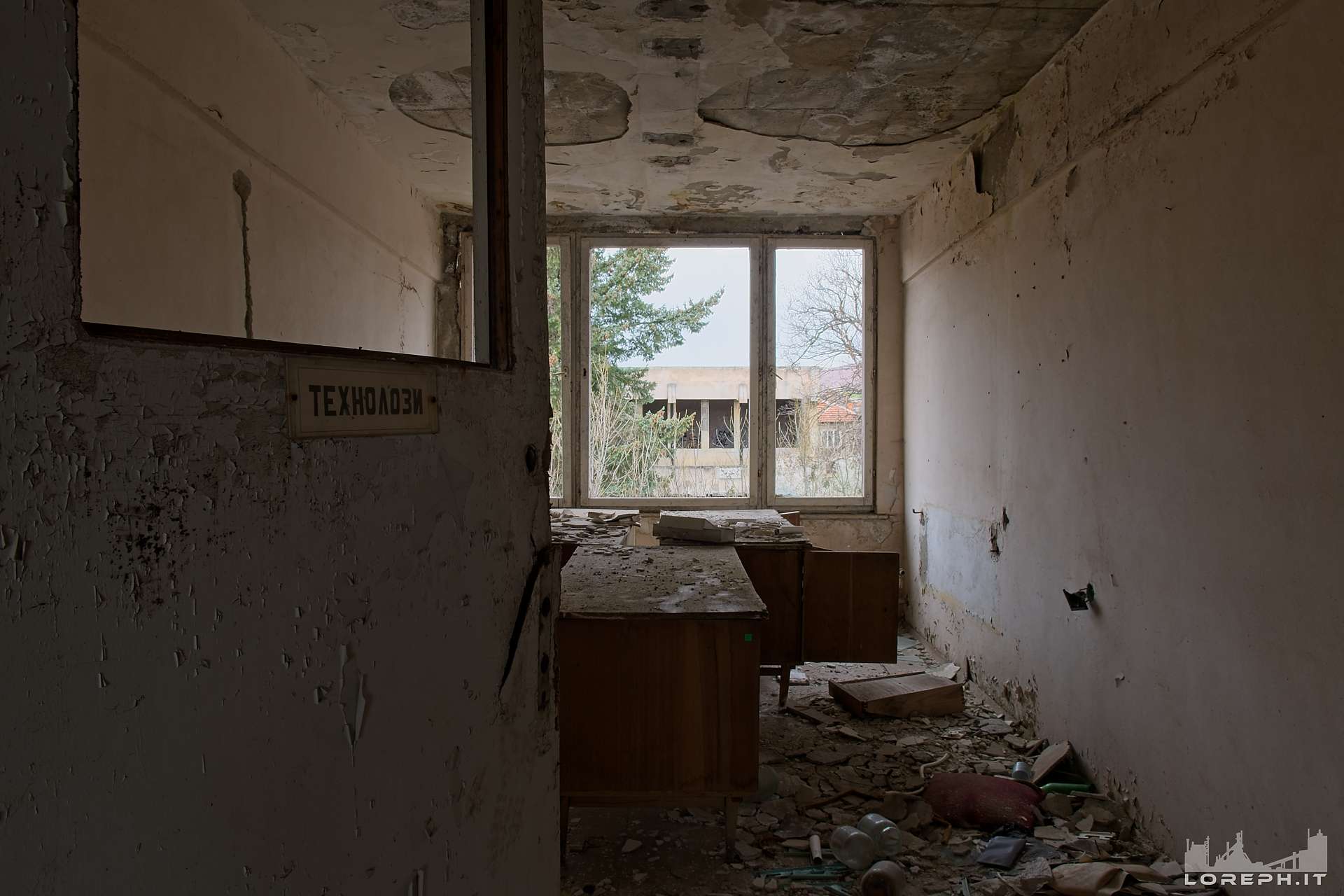
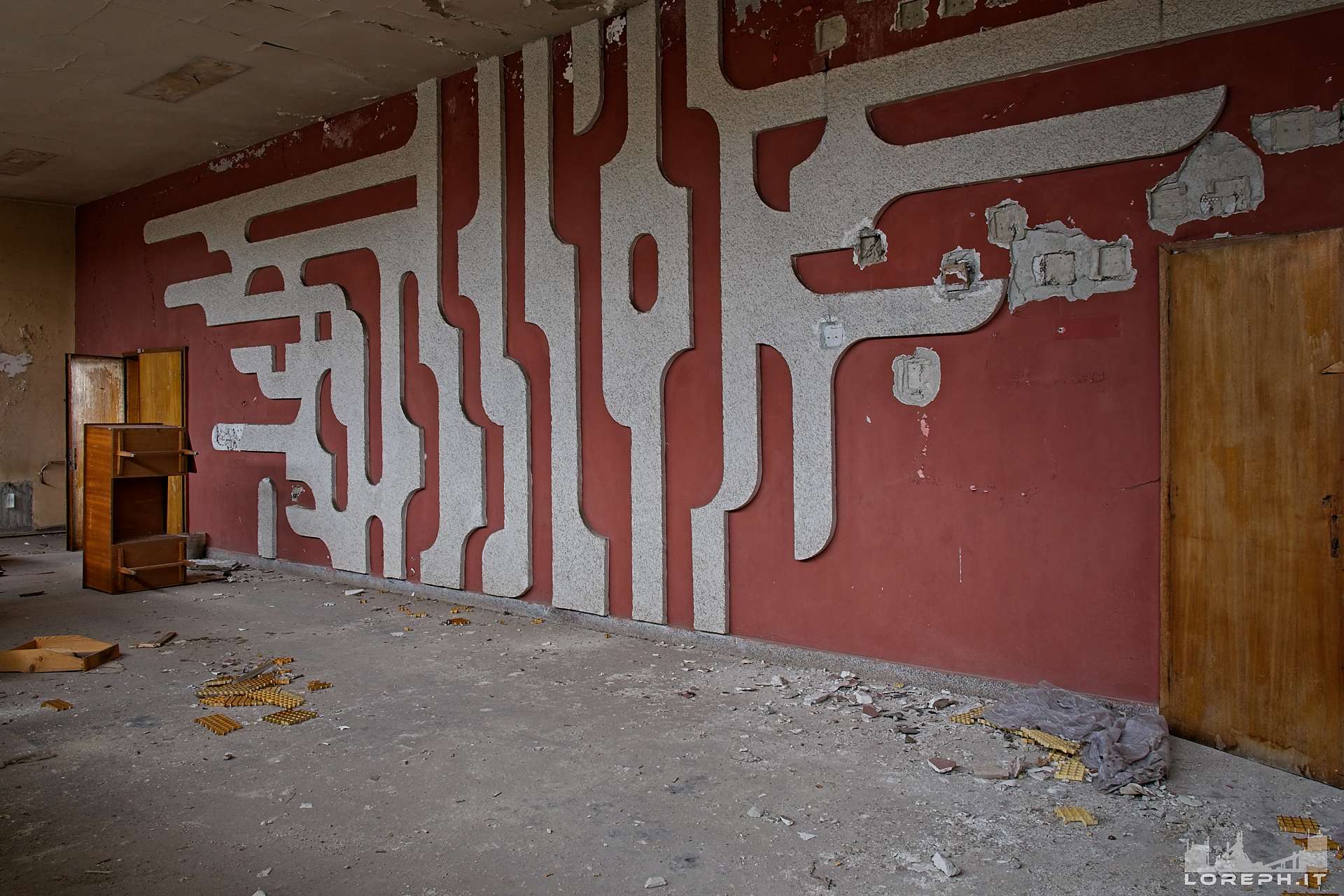
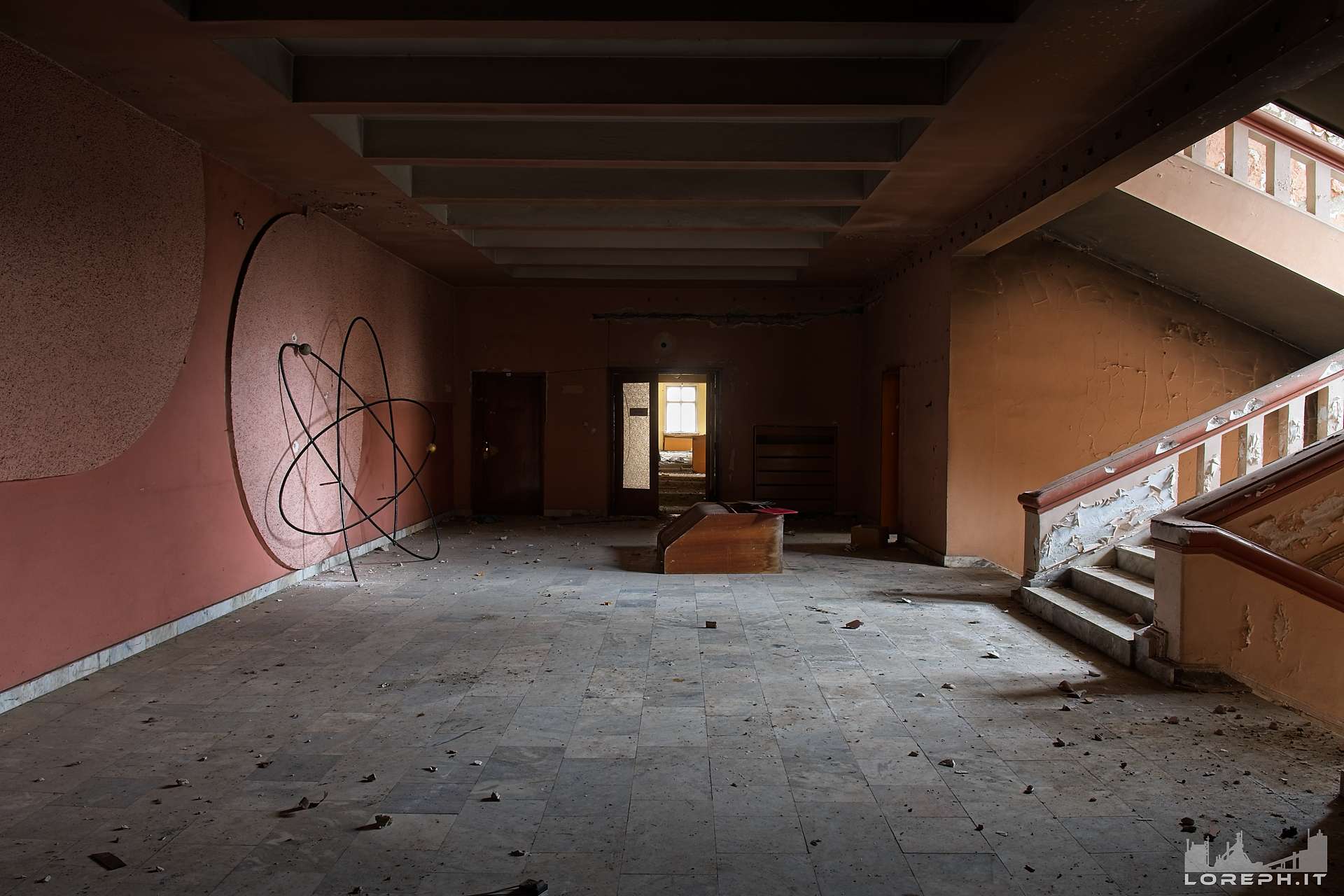
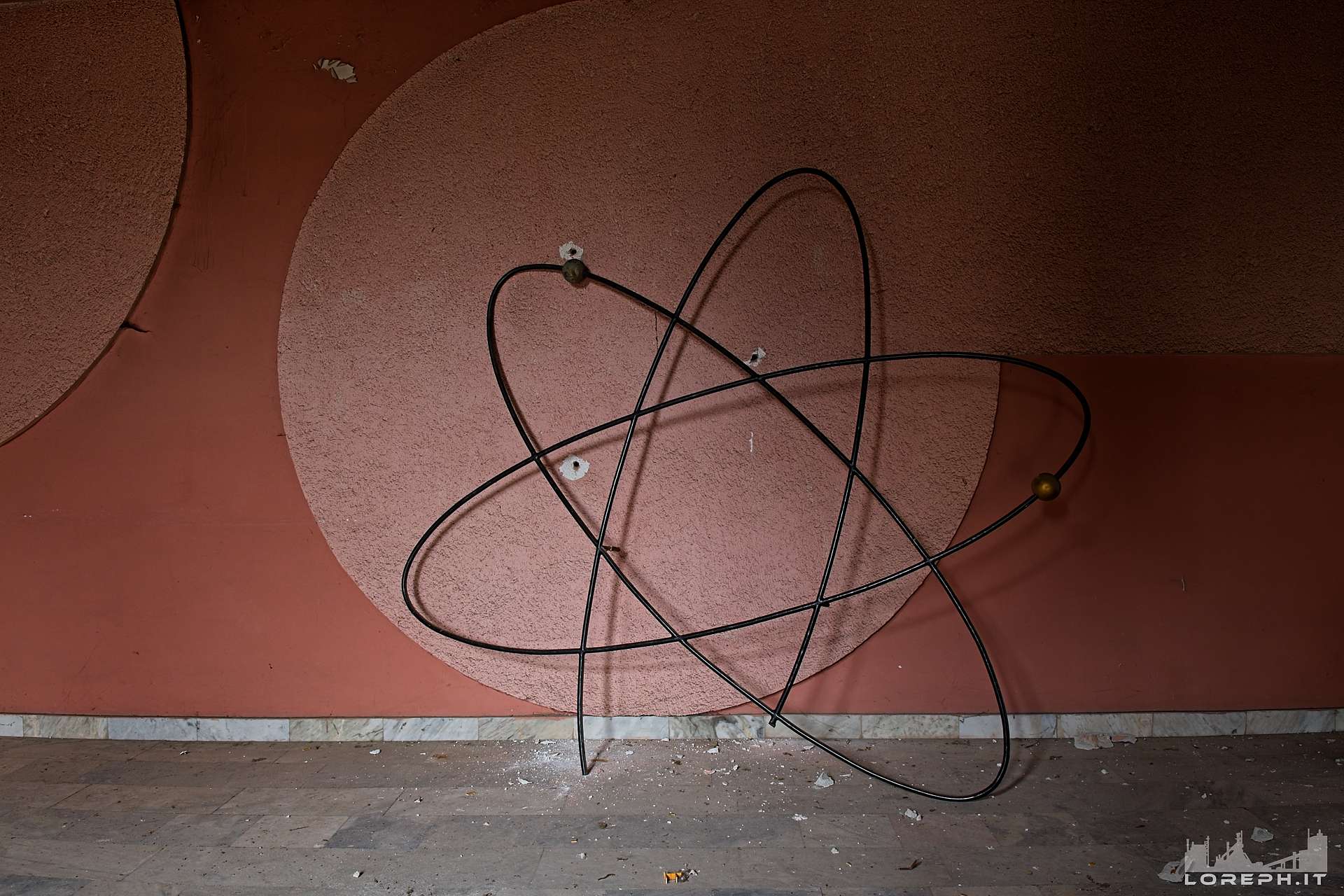
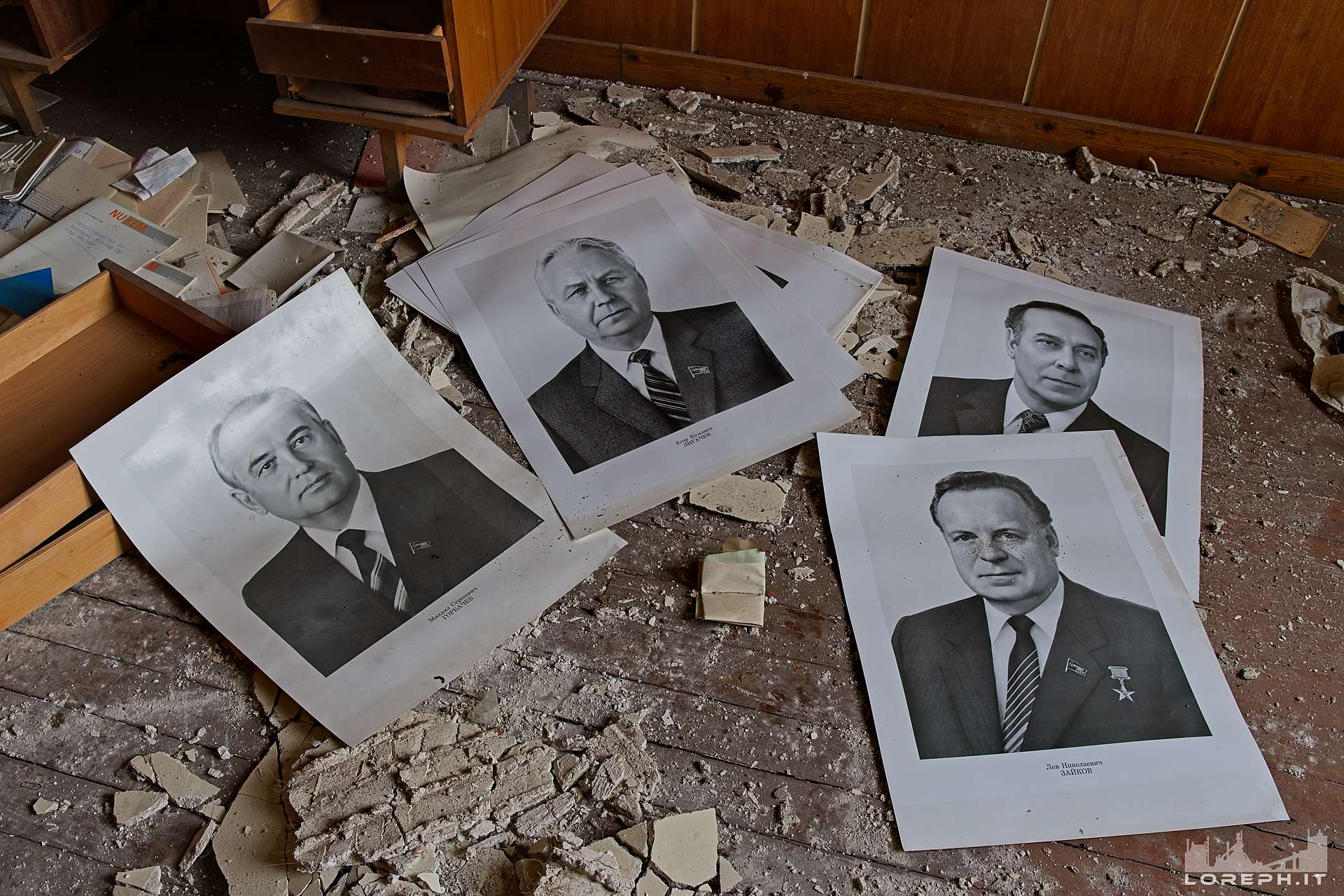
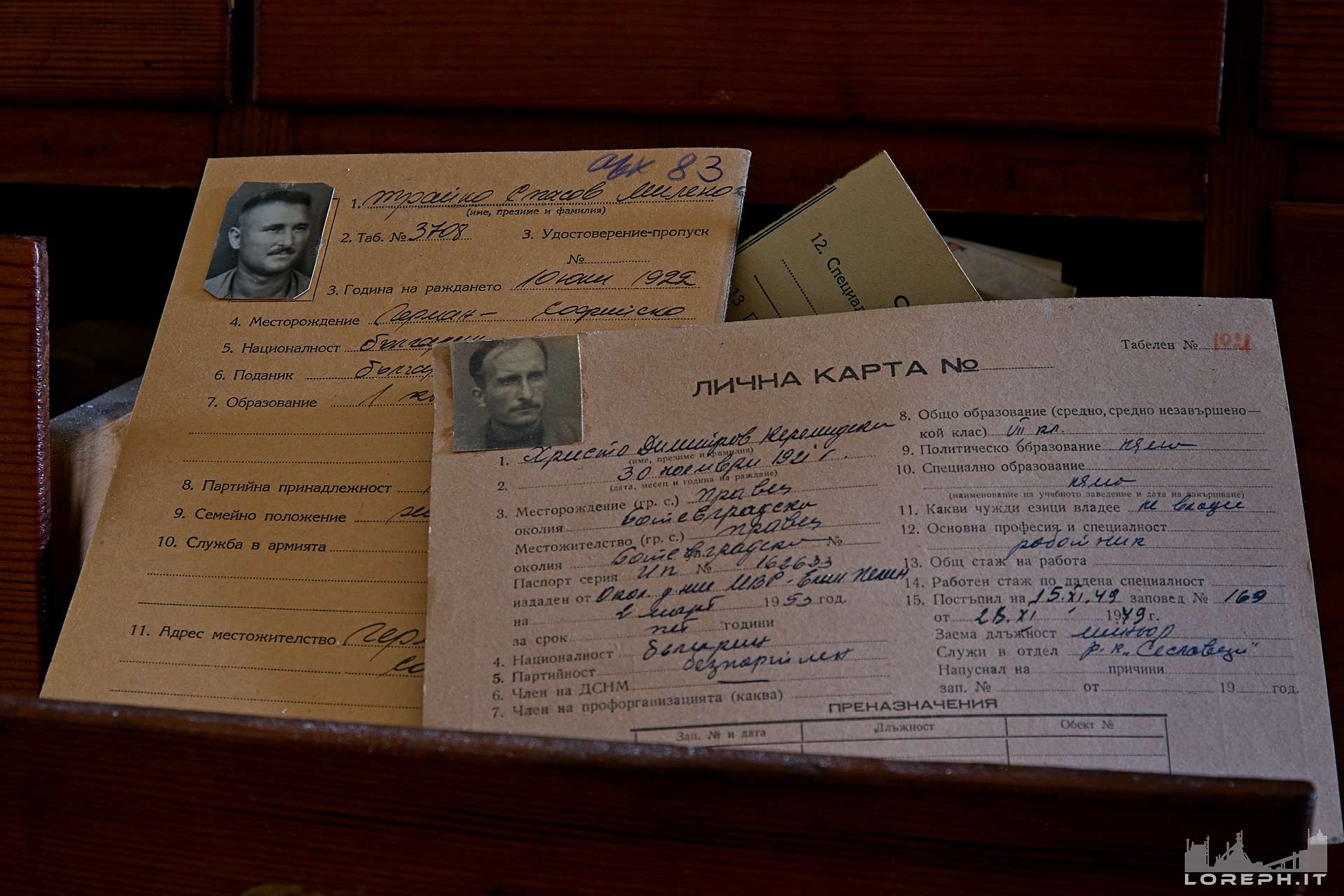
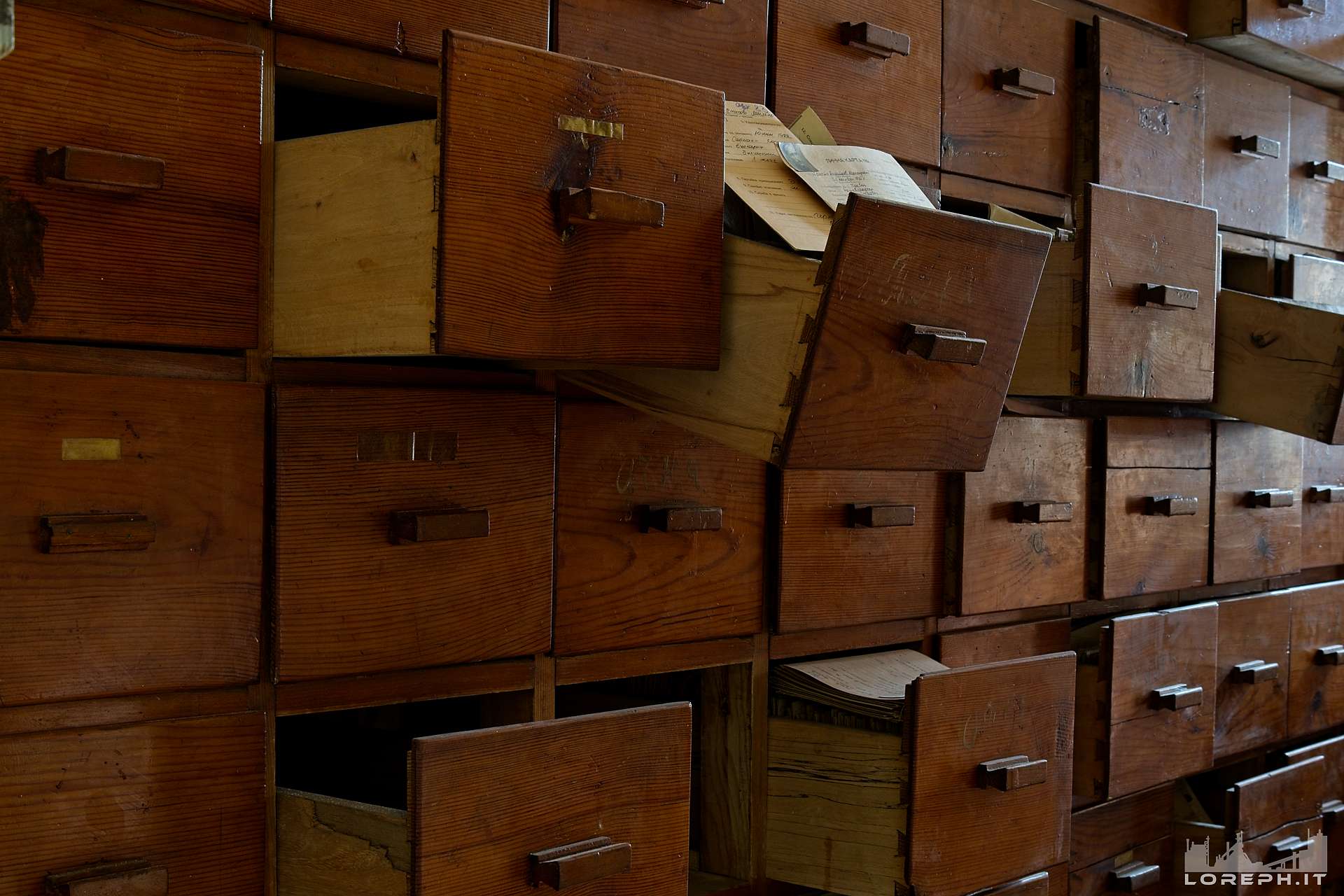
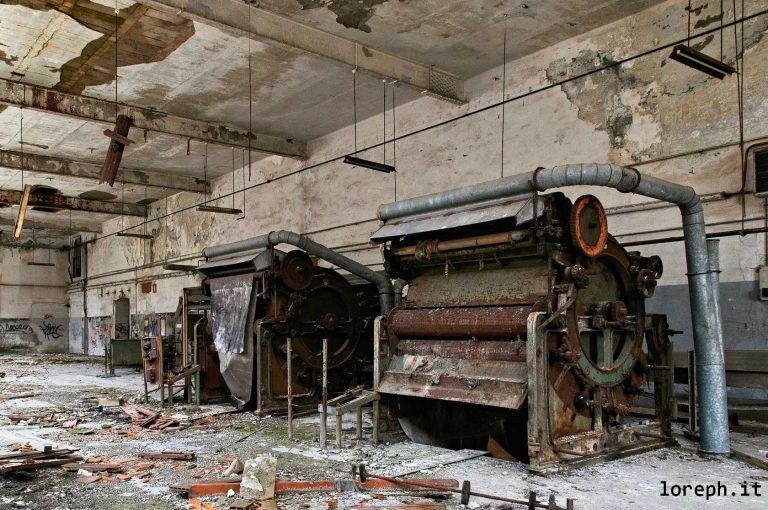
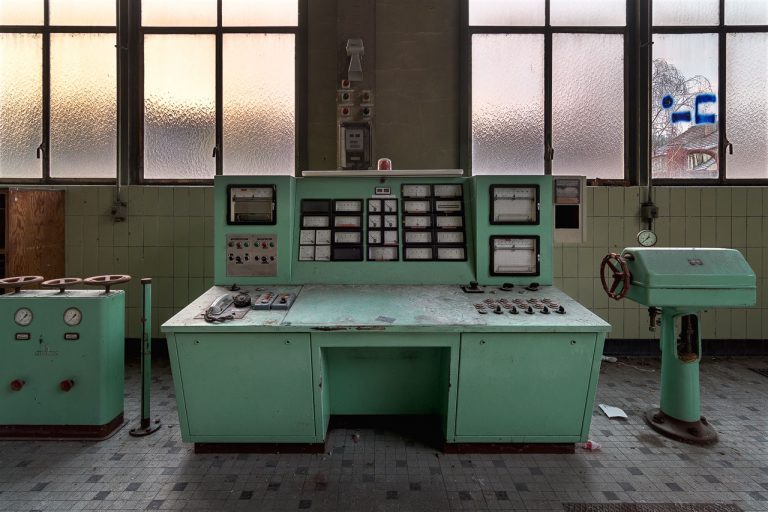
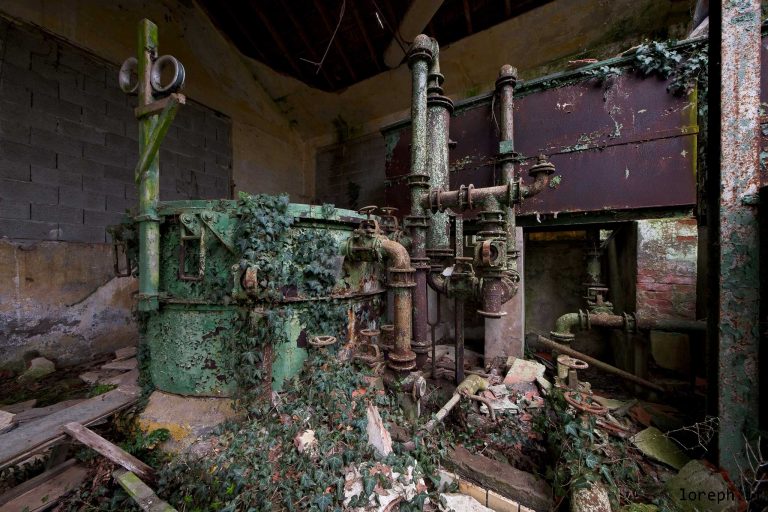
Exploration #281. This article shows the former headquarters of a state company that managed uranium mining across Bulgaria from 1945 to 1992. The abandoned offices, built in the 1960s, once coordinated a strategic industry central to Cold War geopolitics, before being deserted after the sector’s collapse.
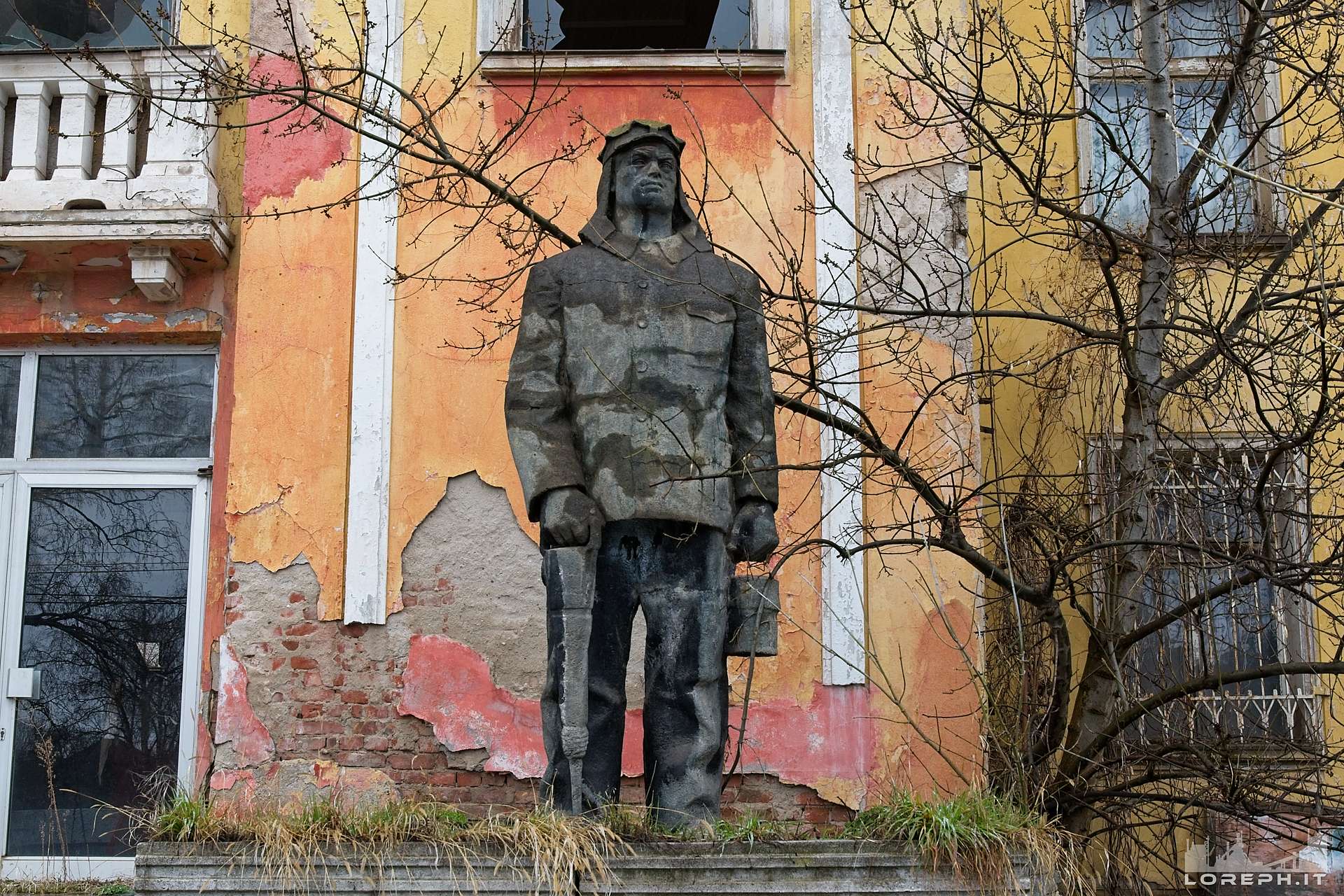
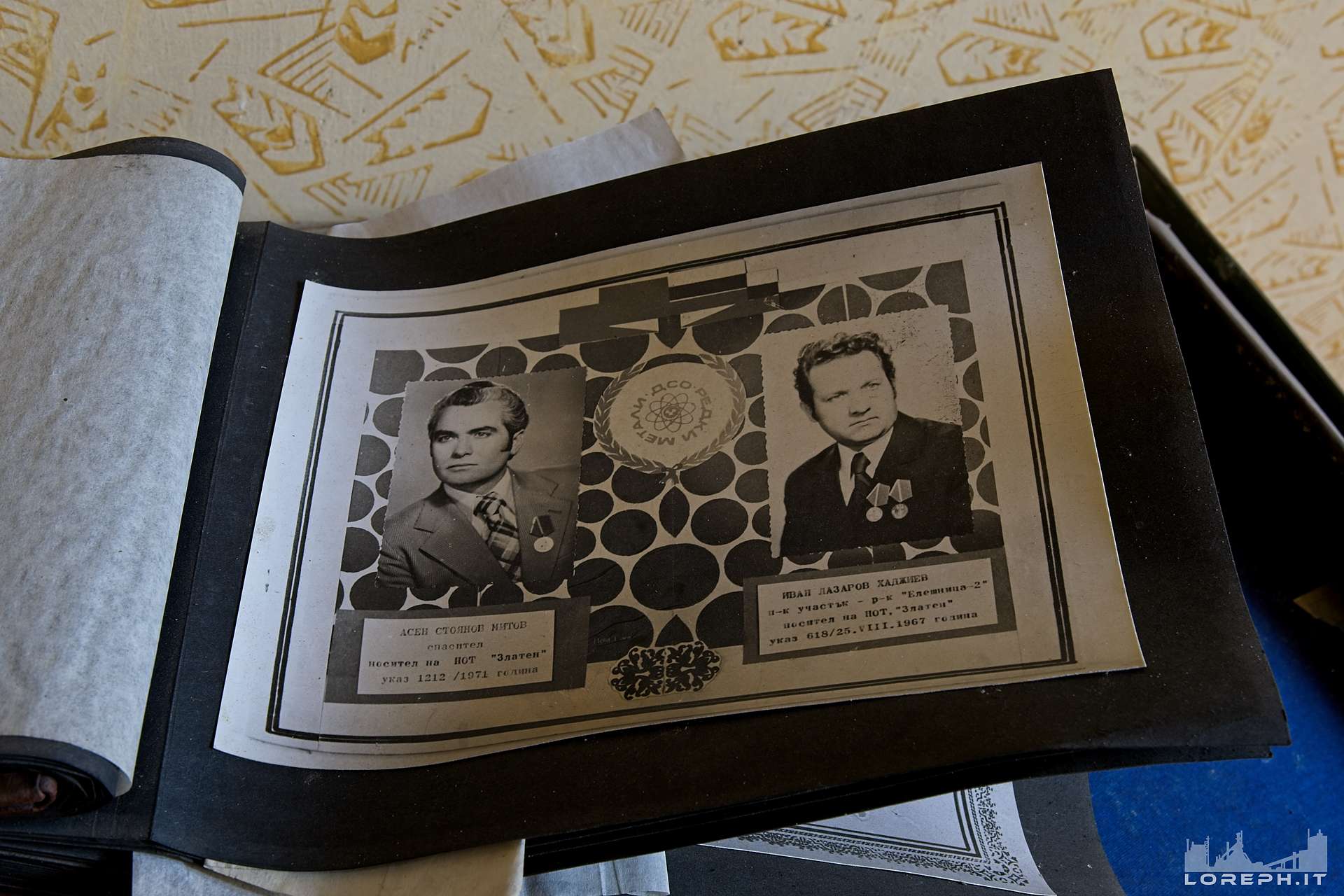
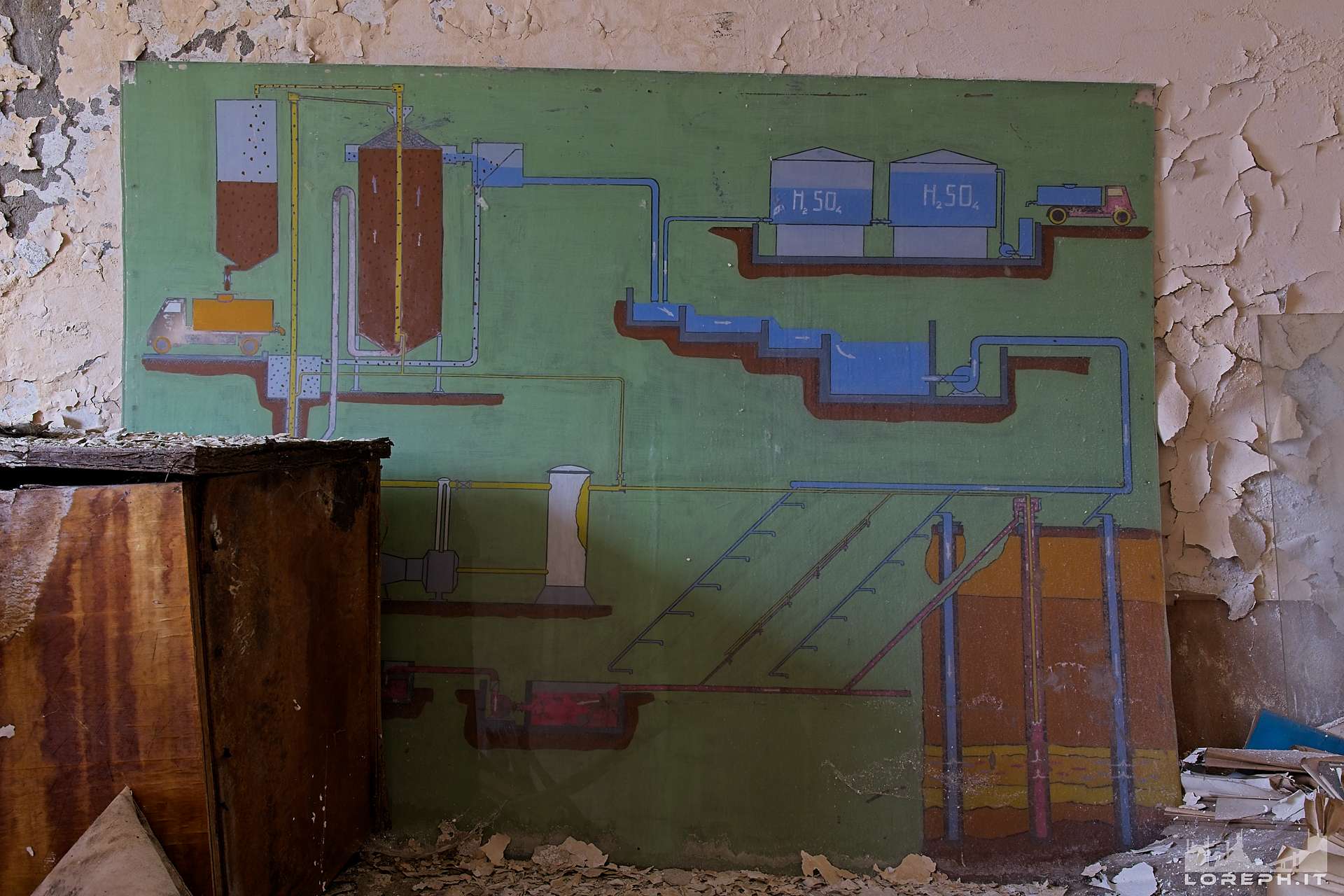
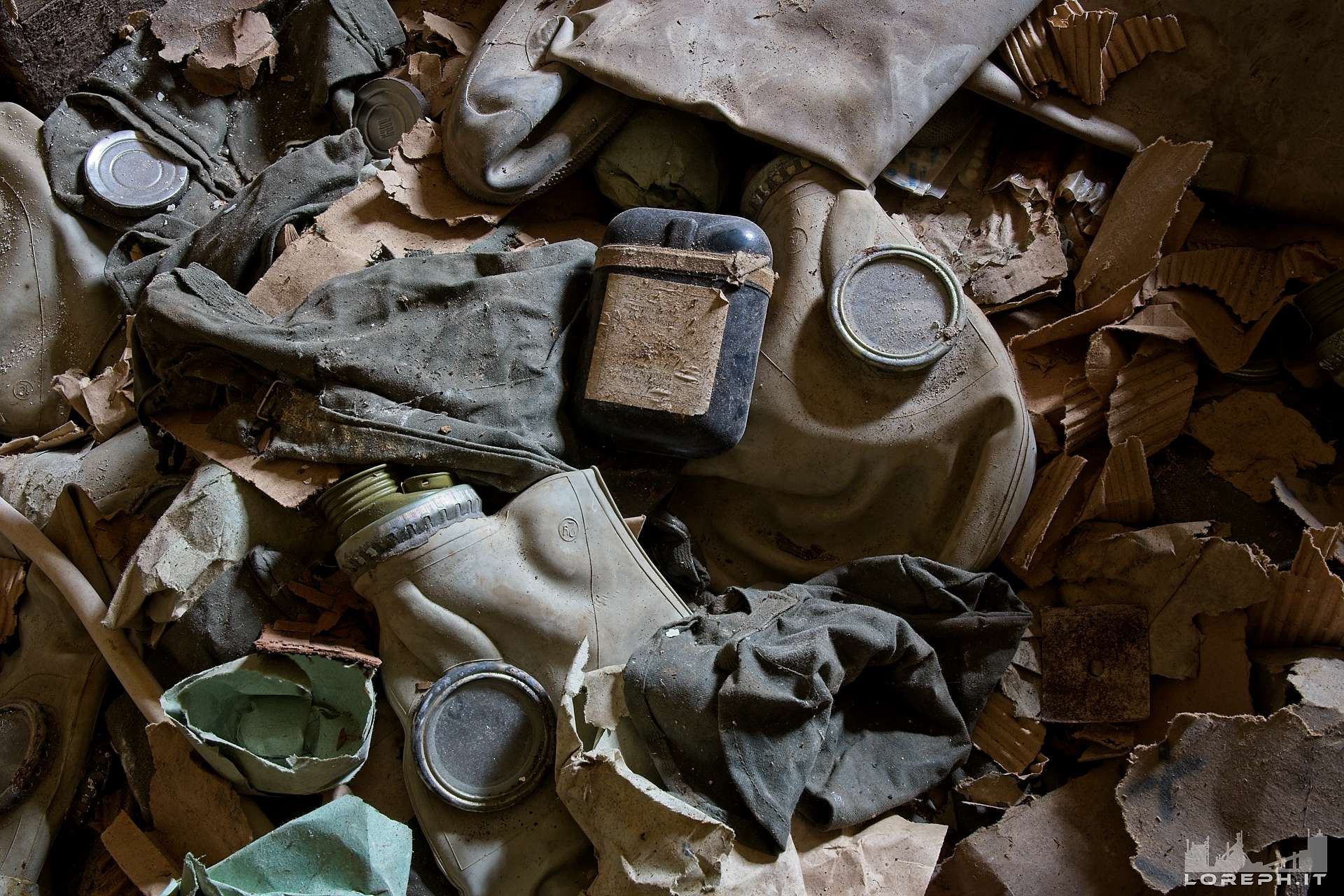
Following the discovery of uranium deposits near Sofia before World War II, mining activity expanded rapidly under Soviet influence. After the war, a joint Soviet-Bulgarian mining structure was established, supported by hundreds of Soviet engineers. Uranium extracted from local mines was transported to the USSR and became a key resource for early nuclear research, including reactors and possibly atomic weapons. The headquarters later became part of the “Redki Metali” (Rare Metals) organization, which employed around 13,000 workers at its peak and oversaw uranium extraction nationwide. Mining operations were intensive and continuous, often carried out manually and under hazardous conditions, with little protection for workers exposed to radiation.
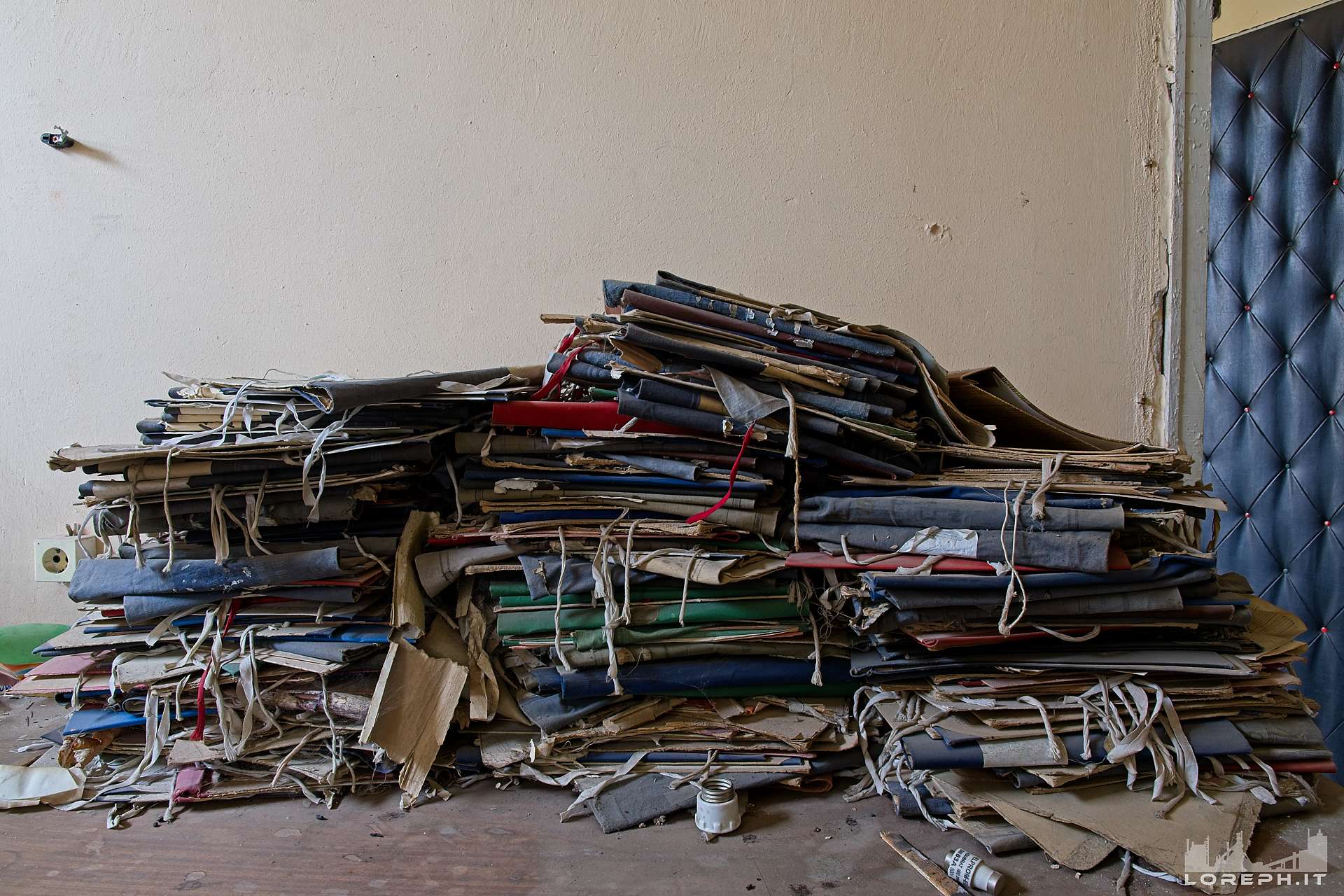
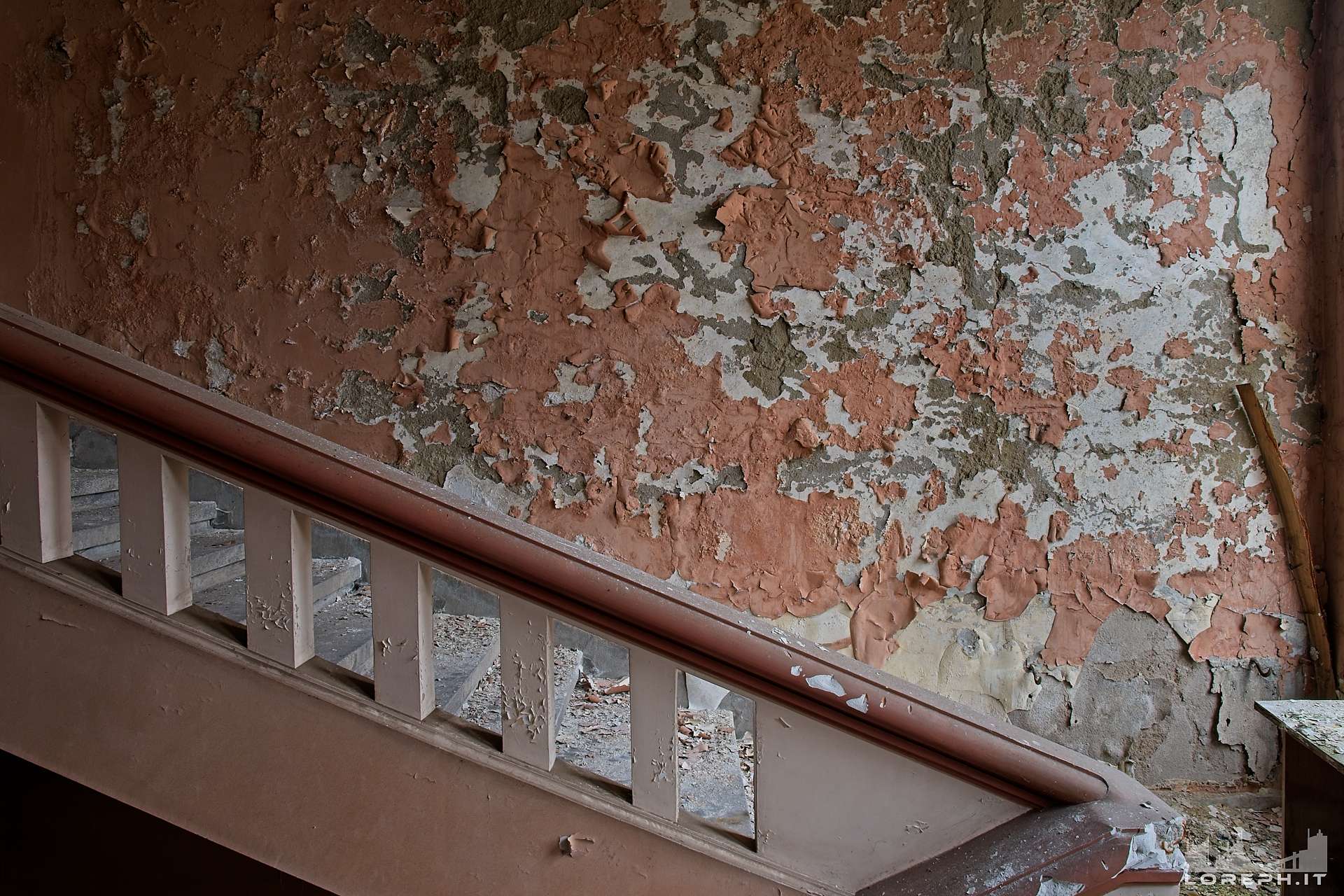
The industry declined after the fall of communism. In 1991, the centralized system fragmented into smaller entities, and by 1992 the Bulgarian government officially ended uranium mining. Administrative buildings, including this headquarters, were abandoned as the entire sector shut down. Beyond its industrial role, the site is tied to long-term environmental consequences. Decades of extraction and processing contaminated soil and water, with restrictions on agriculture already imposed in the 1980s. Even after closure and rehabilitation efforts, radioactive dust and pollution remain persistent issues in the surrounding region.