SANATORIO CITTÀ DI MILANO [IT]
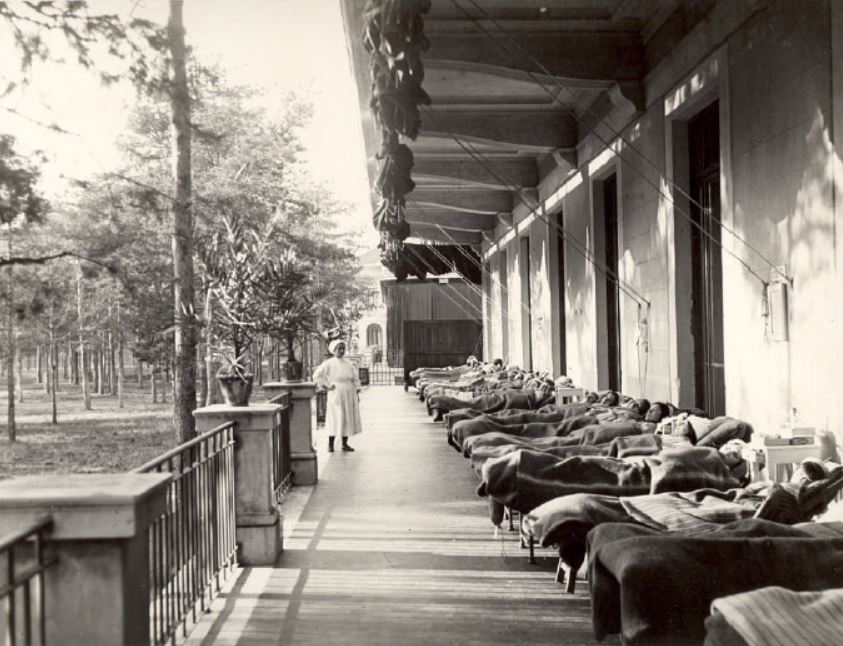
Exploration #109. At the beginning of the last century Italy, together with the other European nations, was fighting against the great health emergency of that time, “il mal sottile”, that is tuberculosis. The first structures in Italy were built in Valtellina; some of them are still present in the territory, some in a state of abandonment, others partially recovered in hospitals. With the increase of cases, mainly due to the fact that the poorest family members lived together in small houses, the government of that time decided to build new sanatoriums all over the peninsula. The task was entrusted to a young clinical tisiologist, Eugenio Morelli, who in a few years succeeded in training new specialised doctors and creating a network of sanatorium structures; structures distributed throughout the peninsula, designed in a similar way to contain costs.
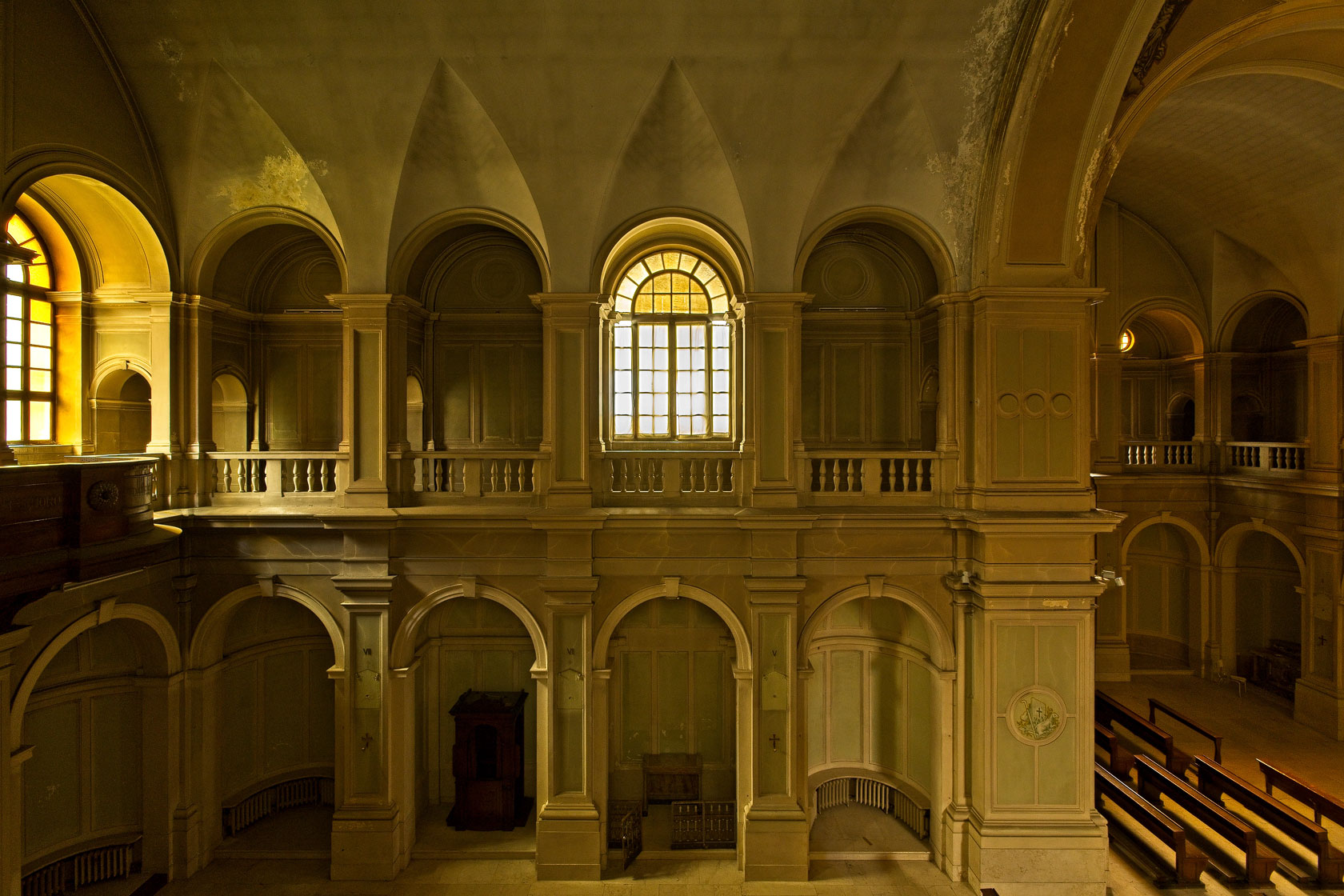
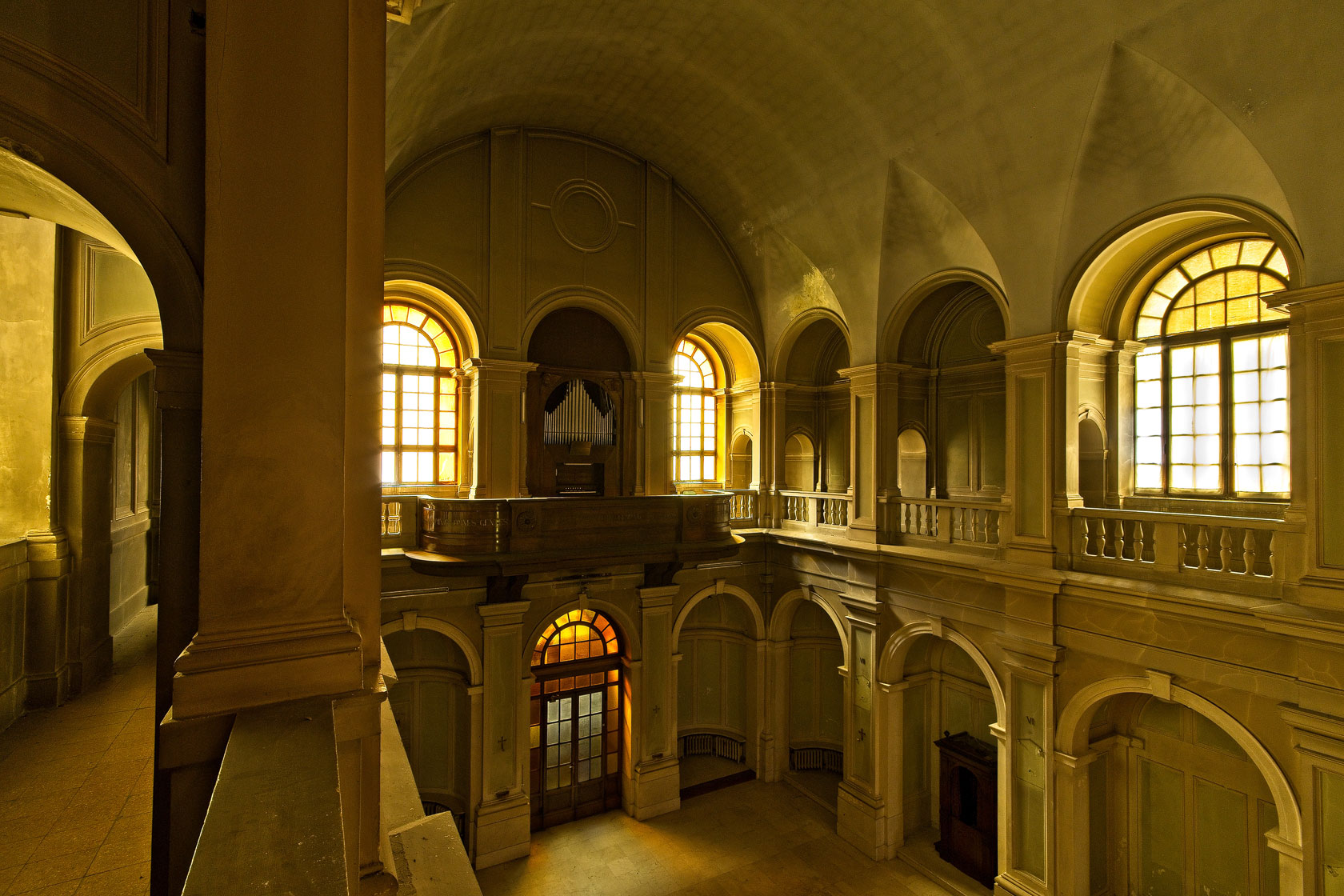
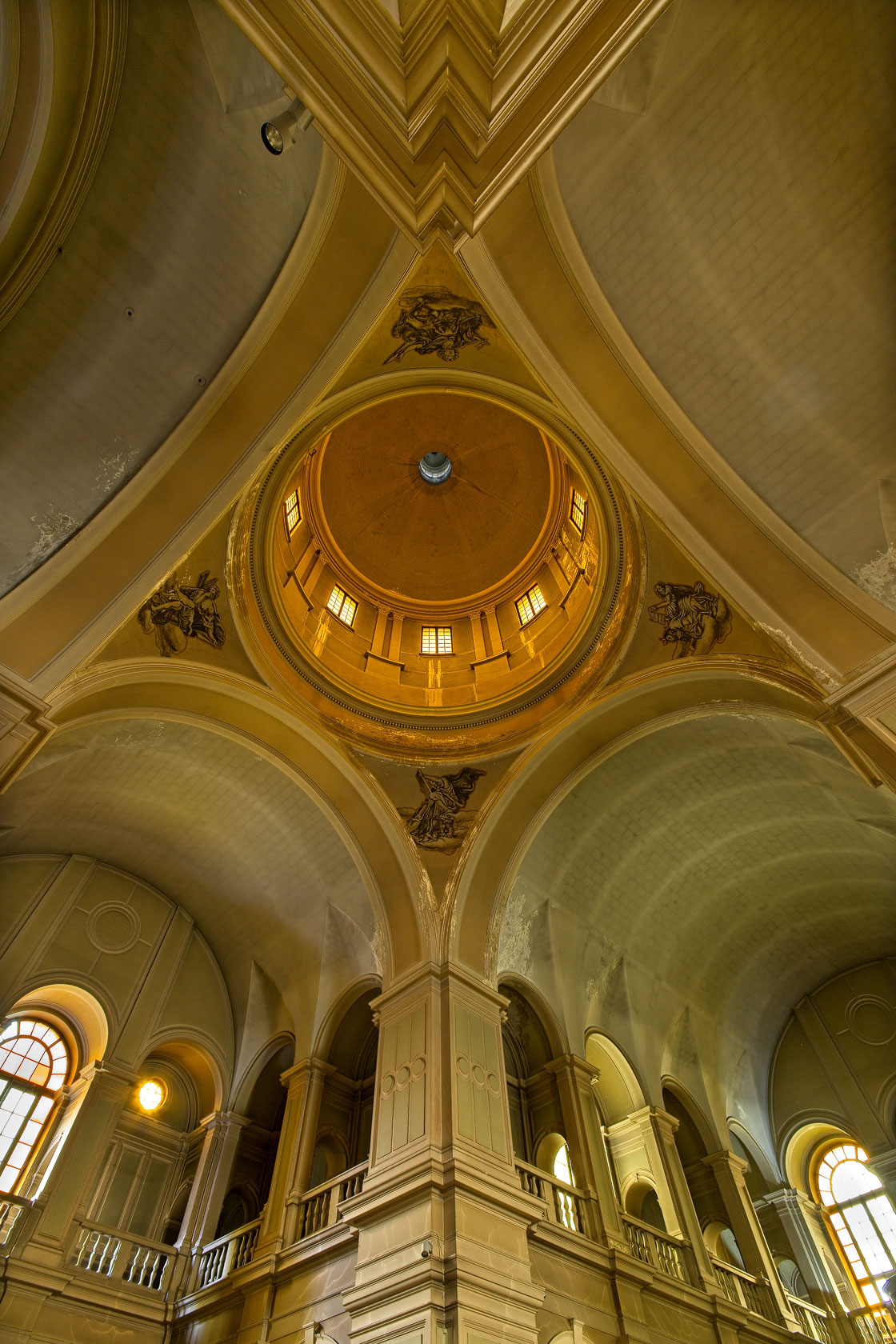
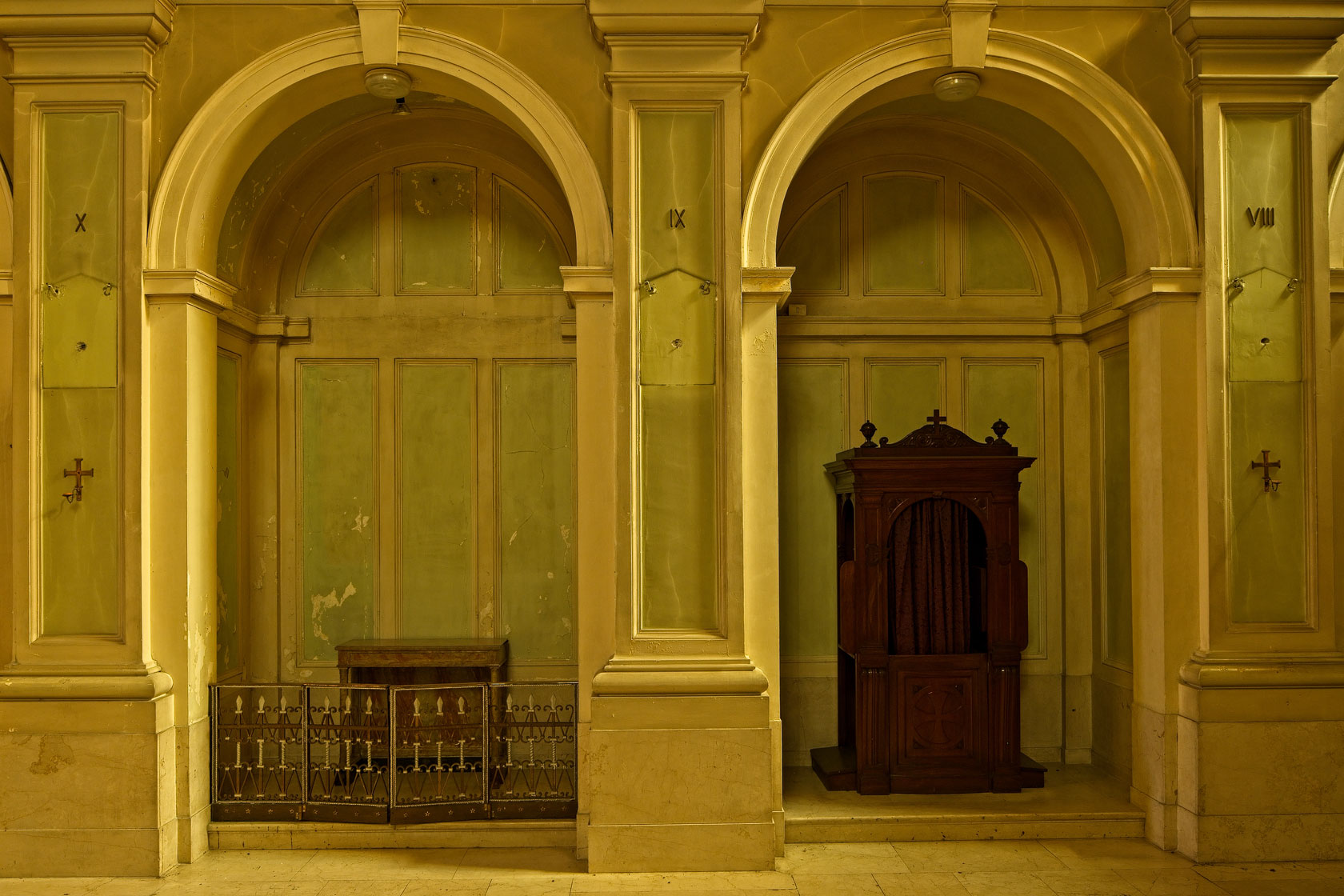
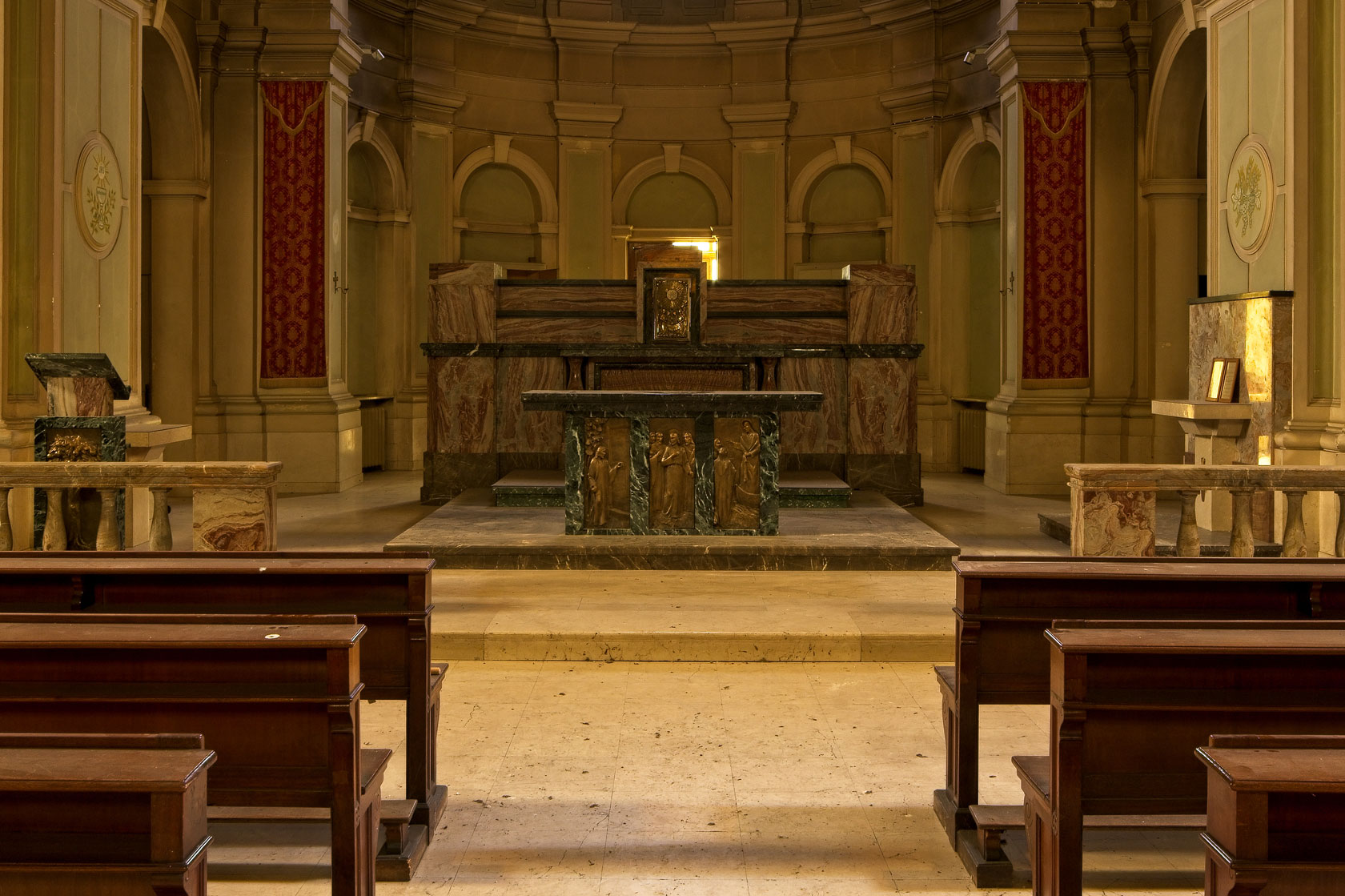
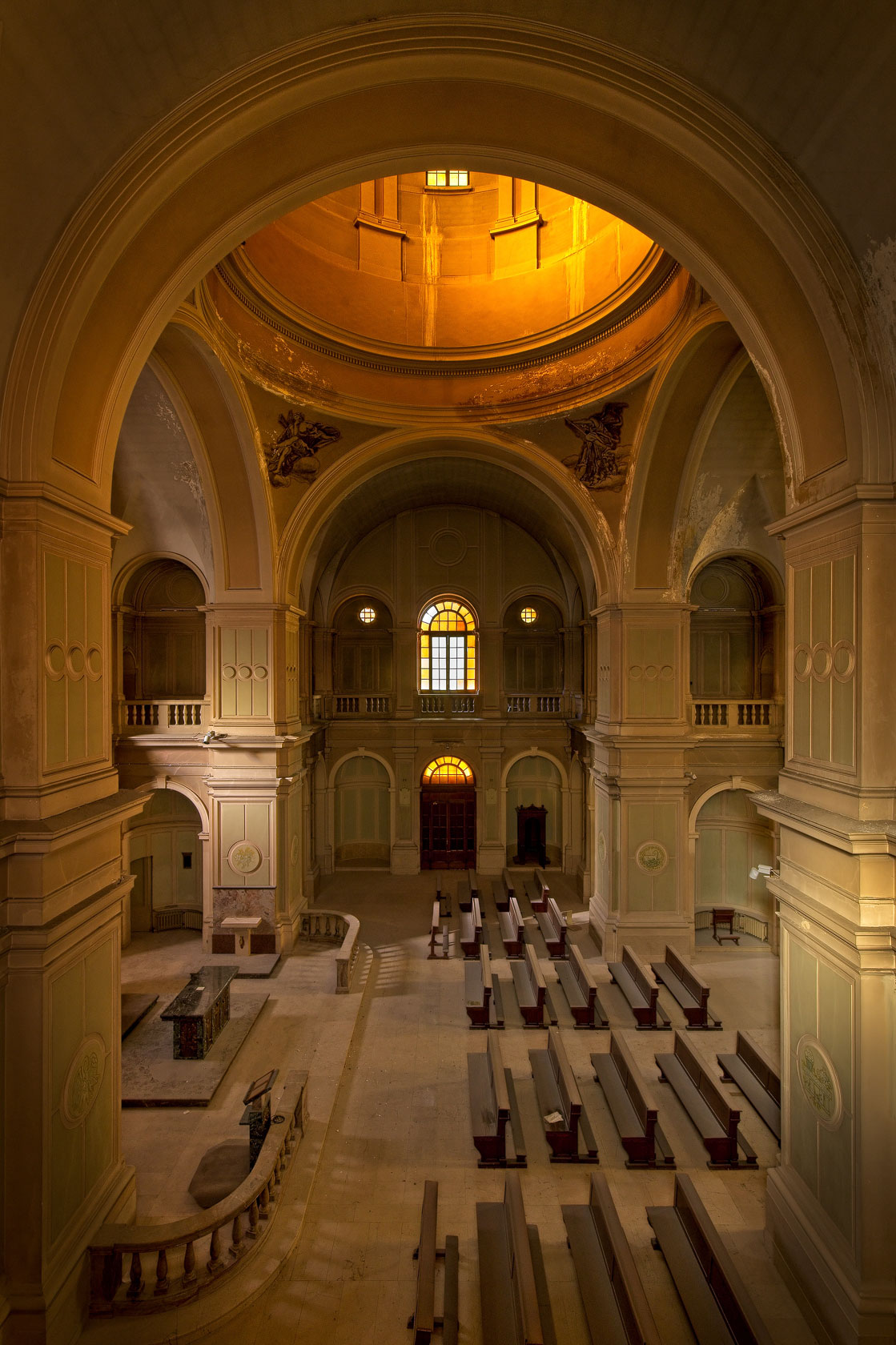
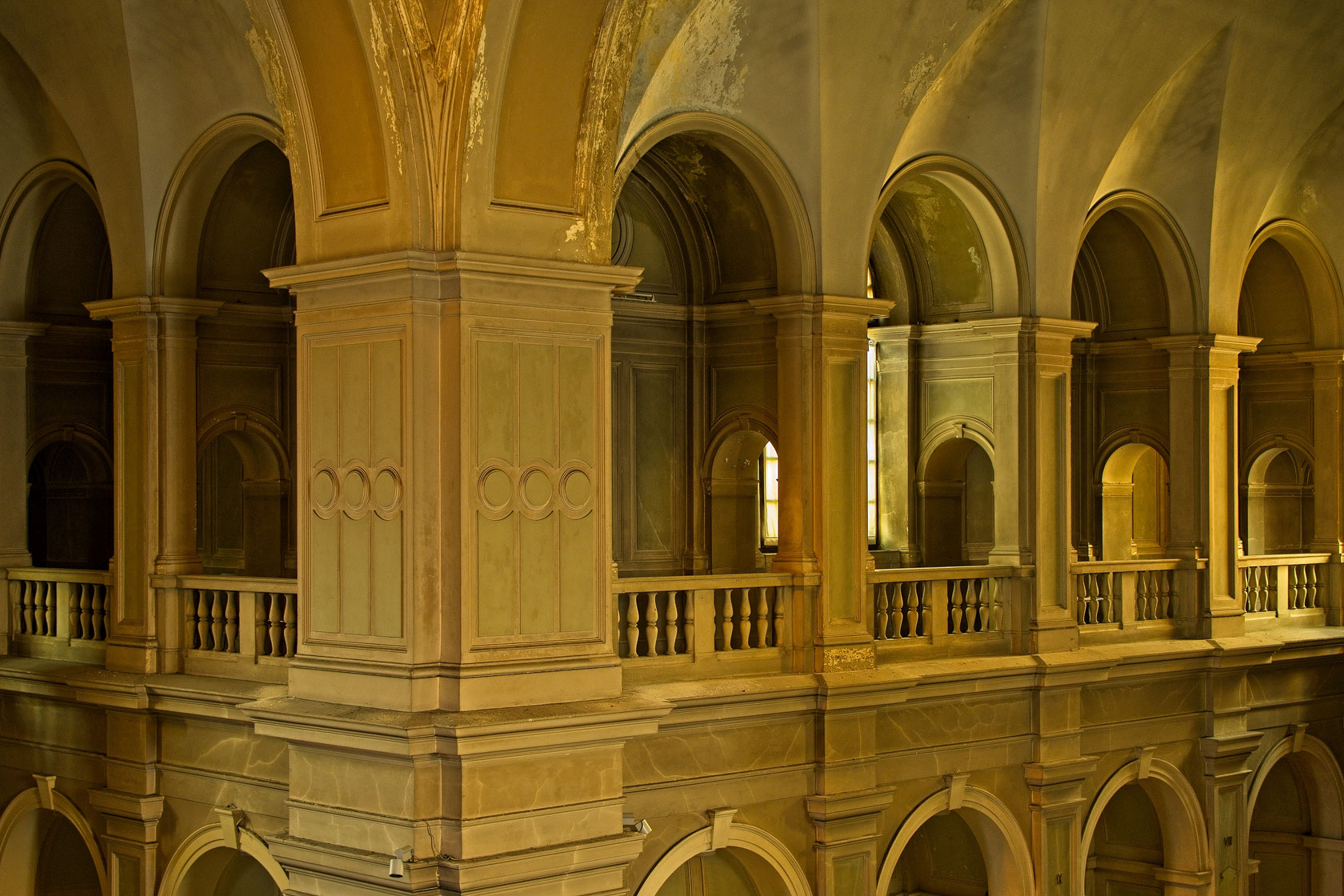
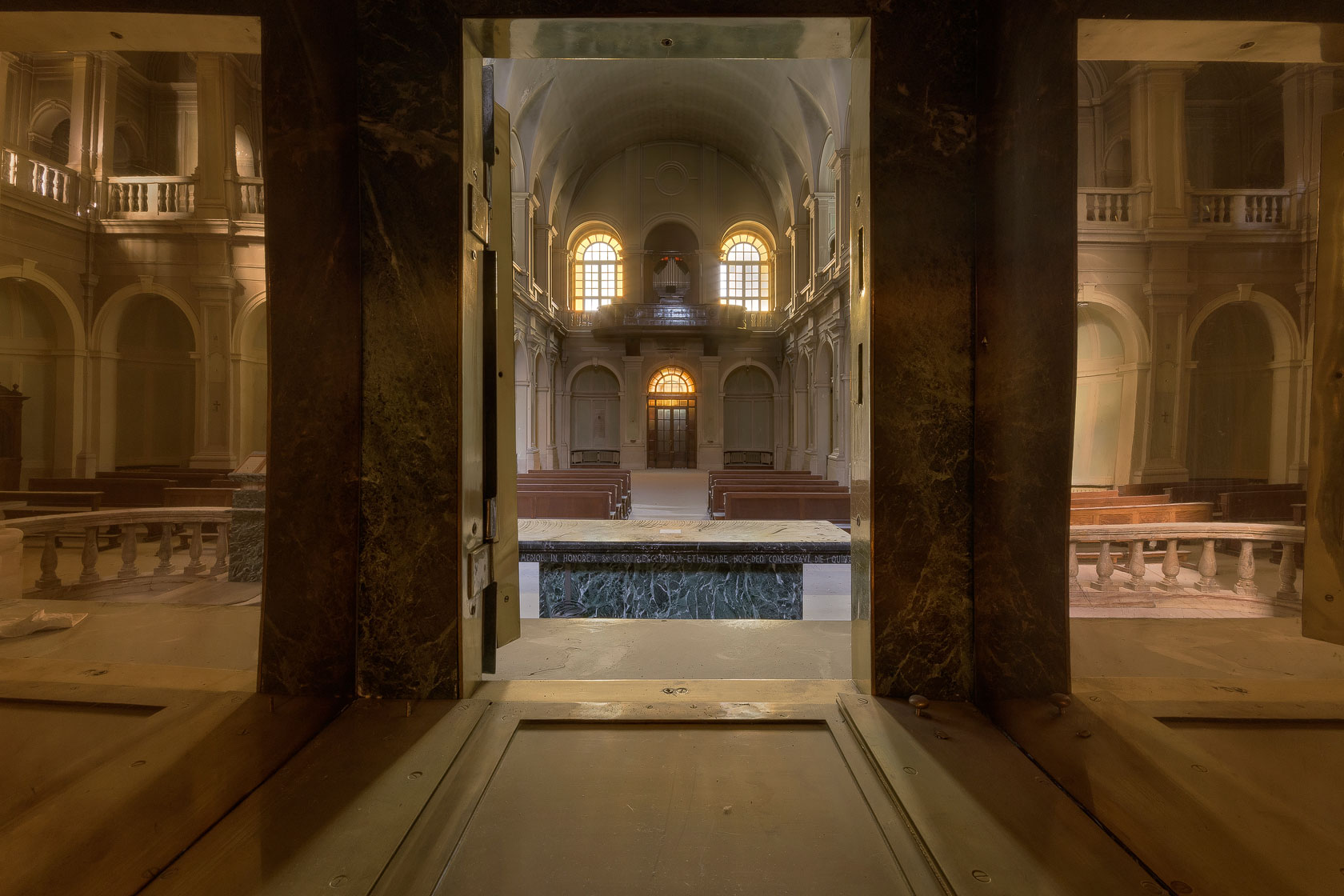
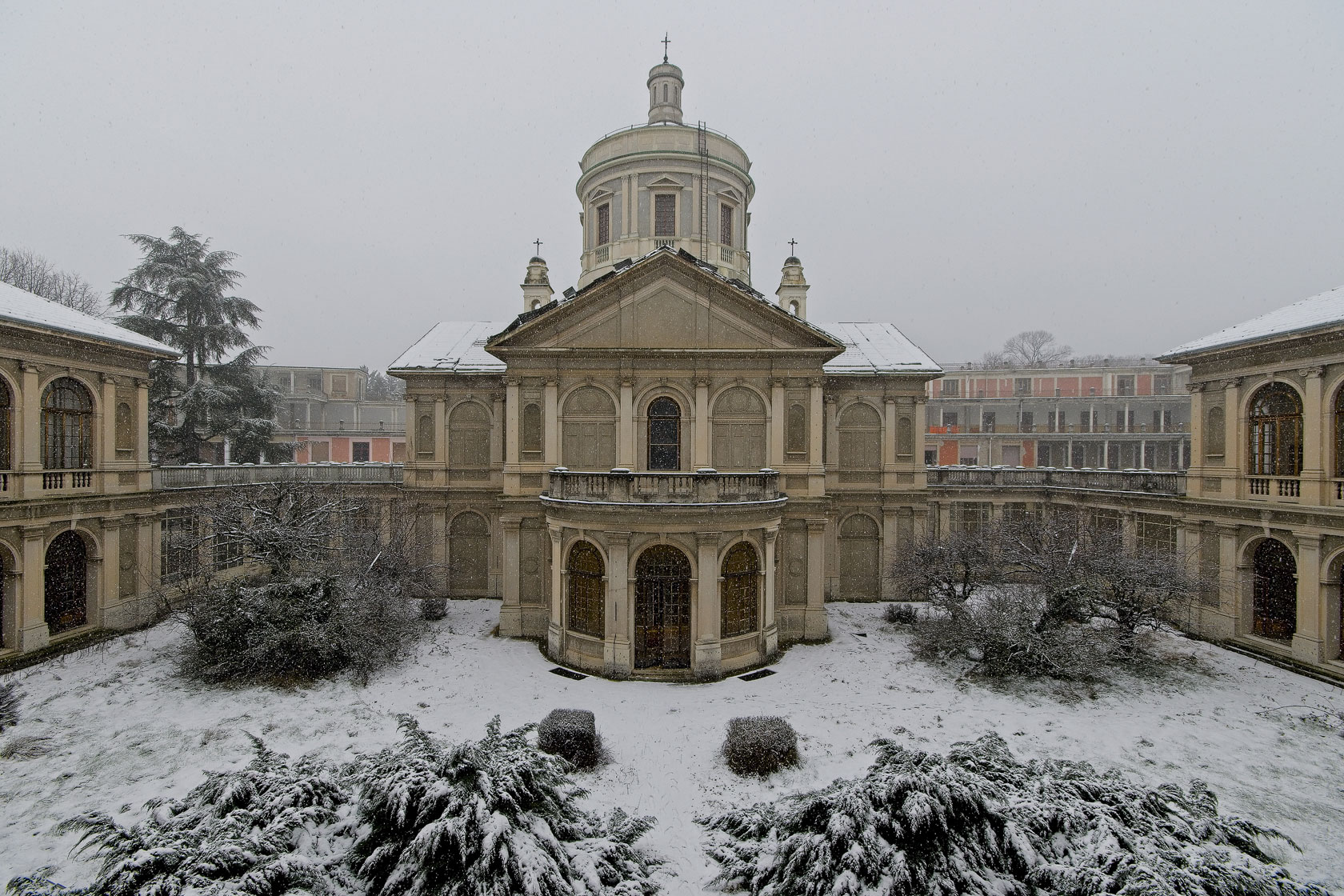
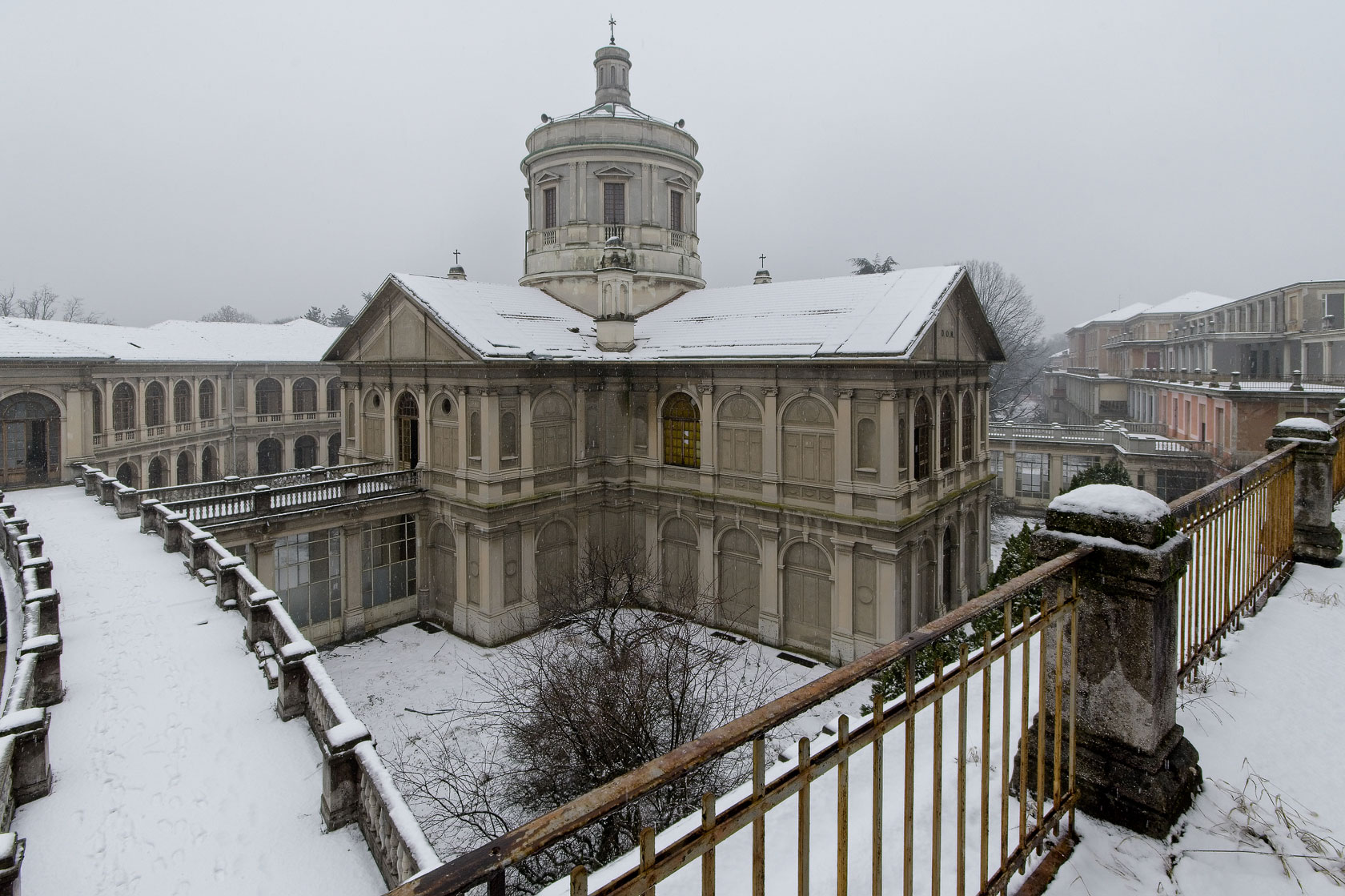
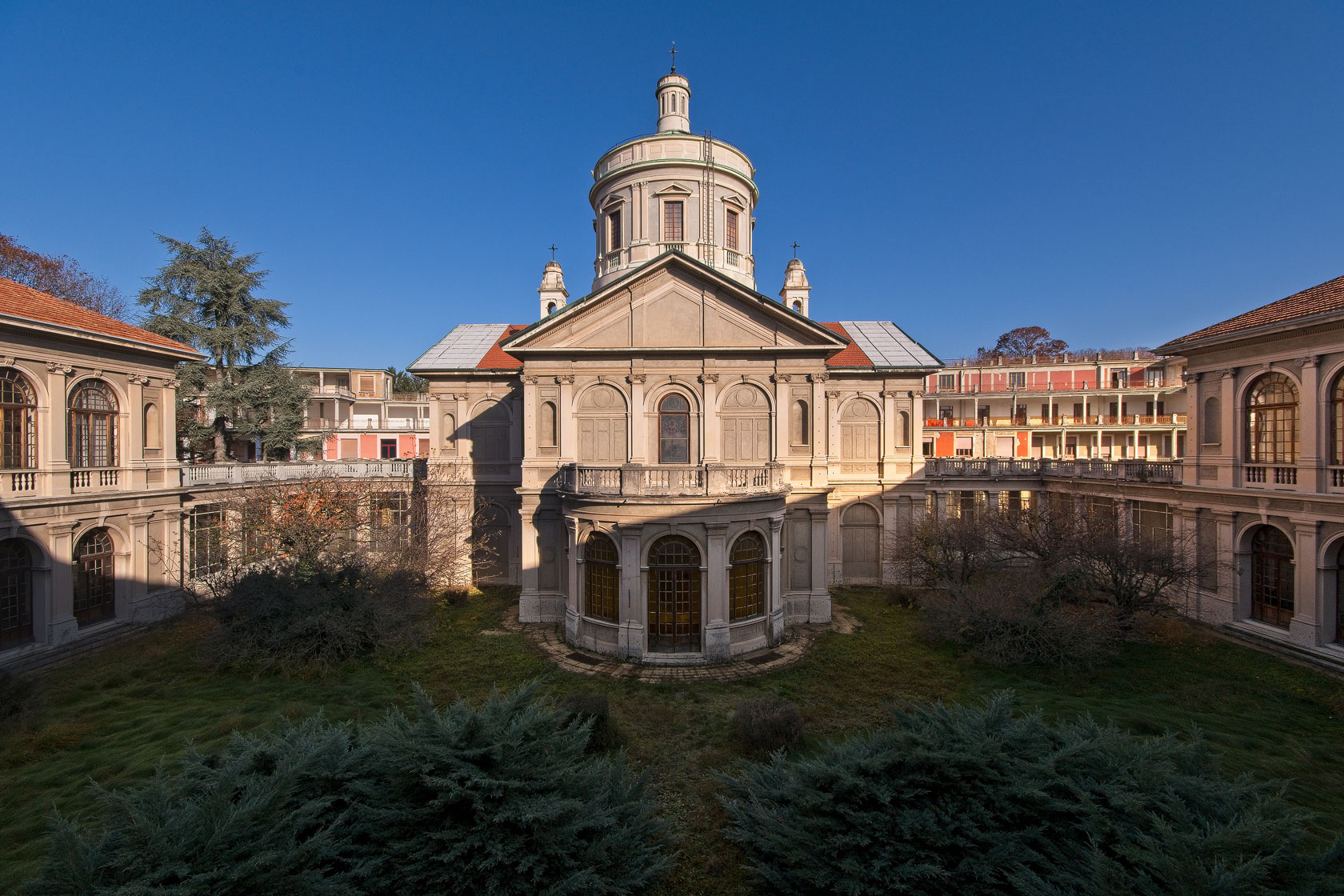
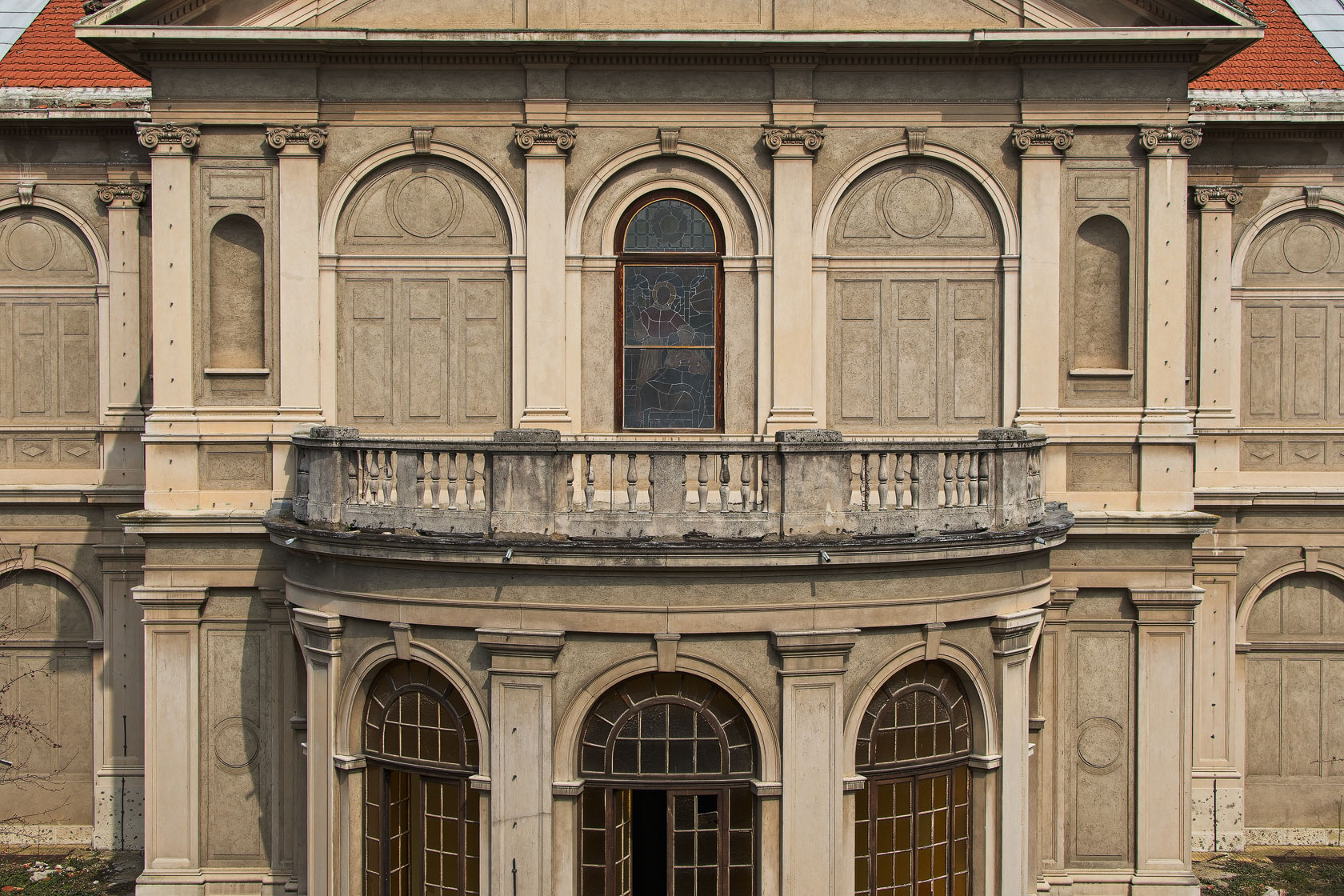
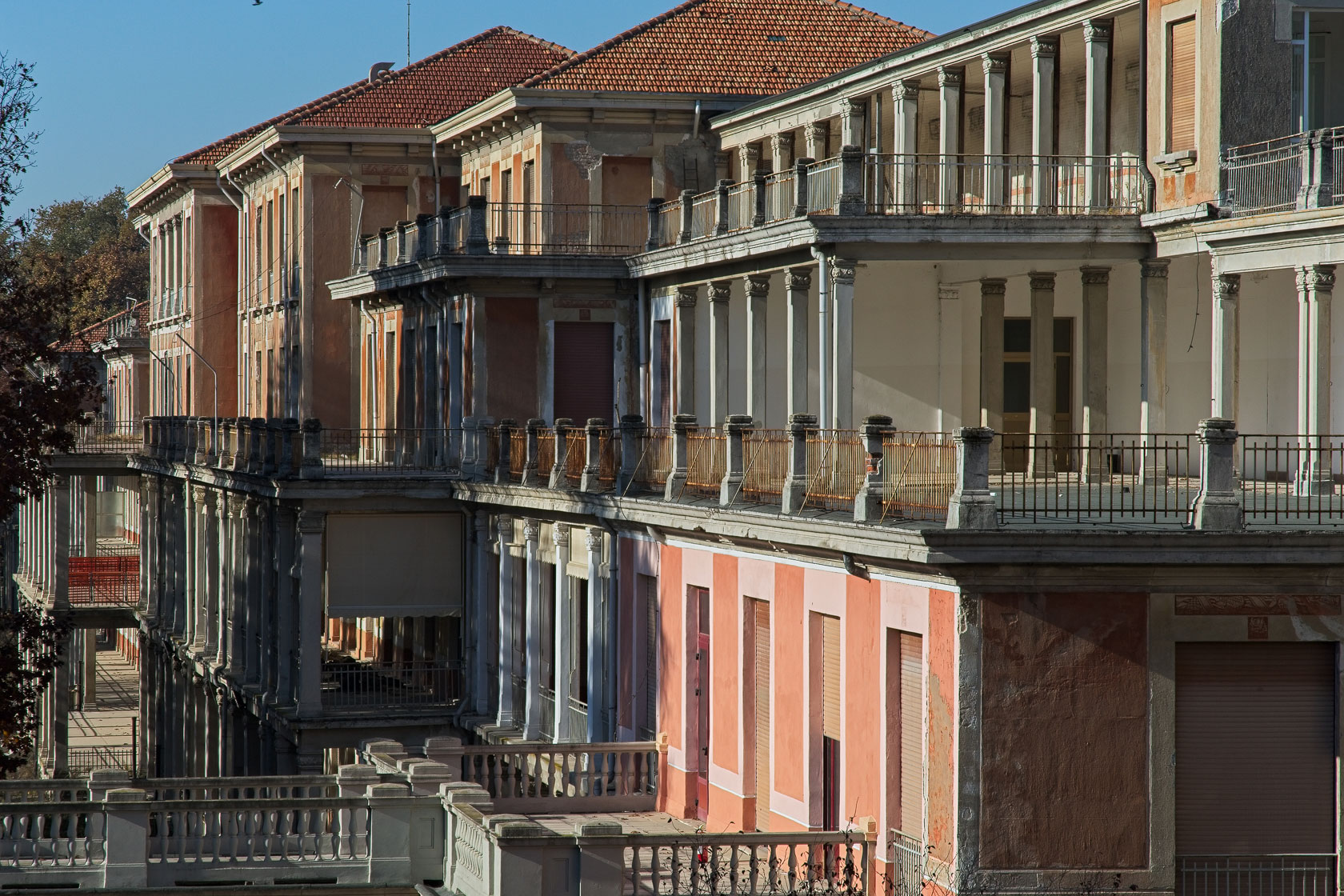
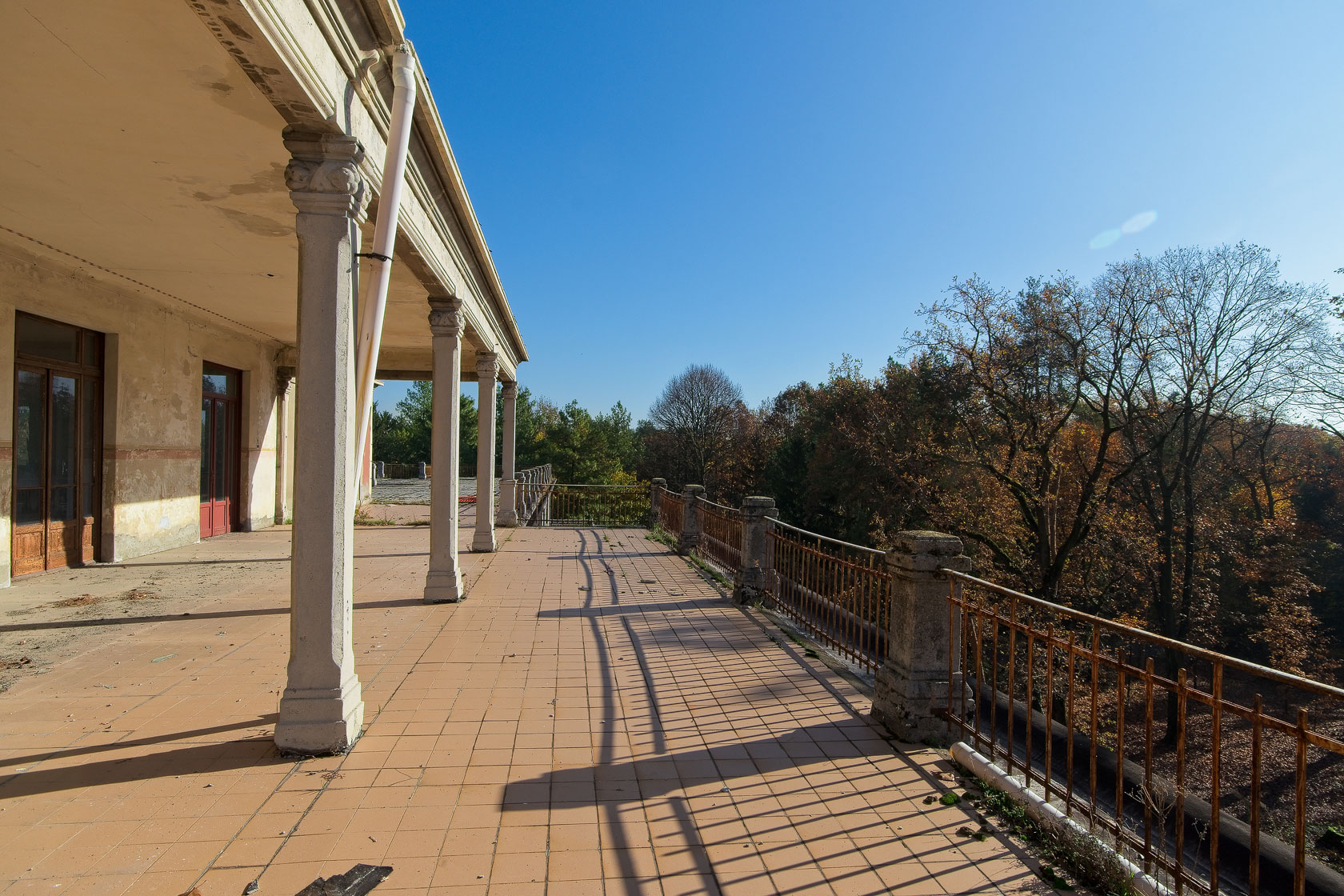
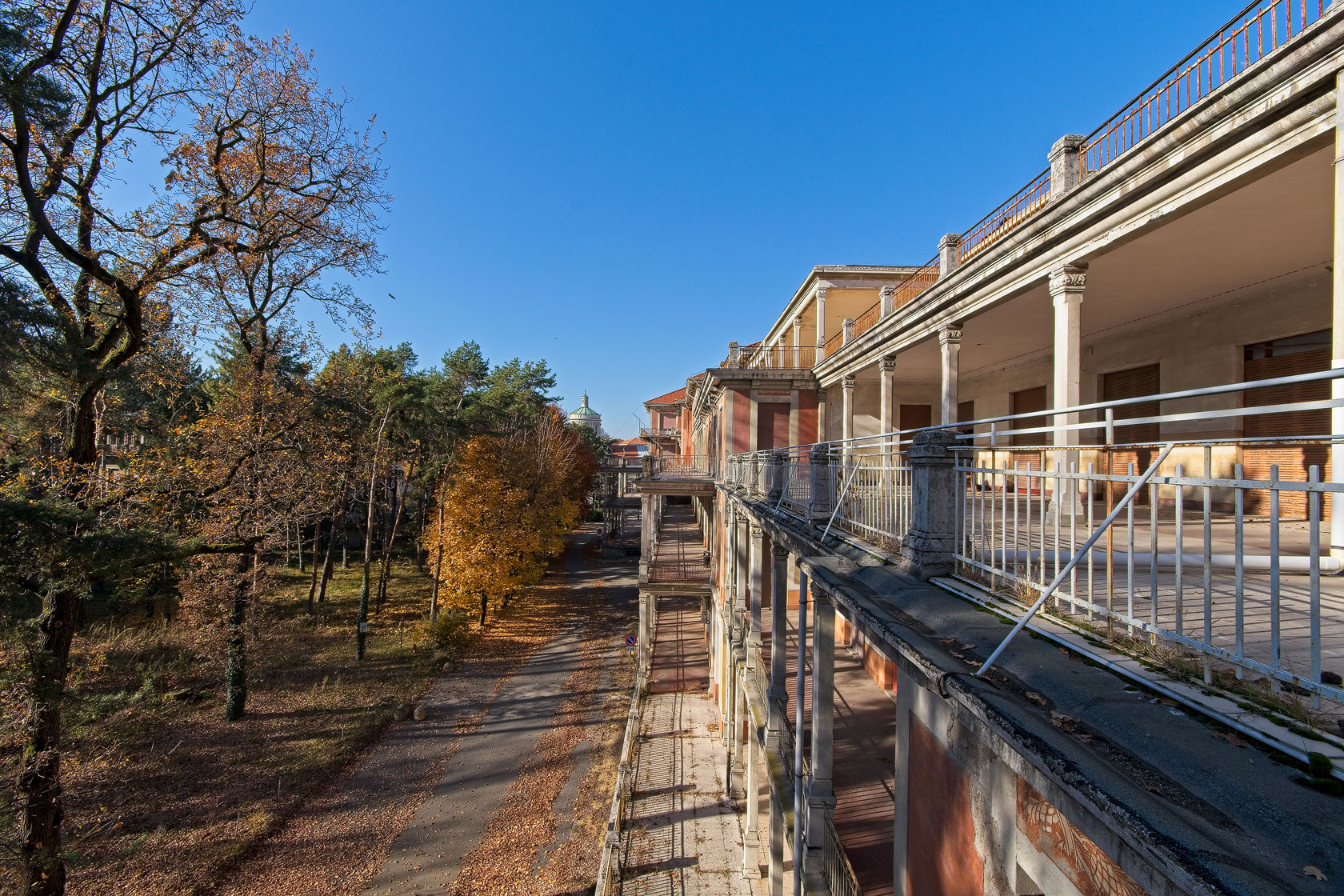
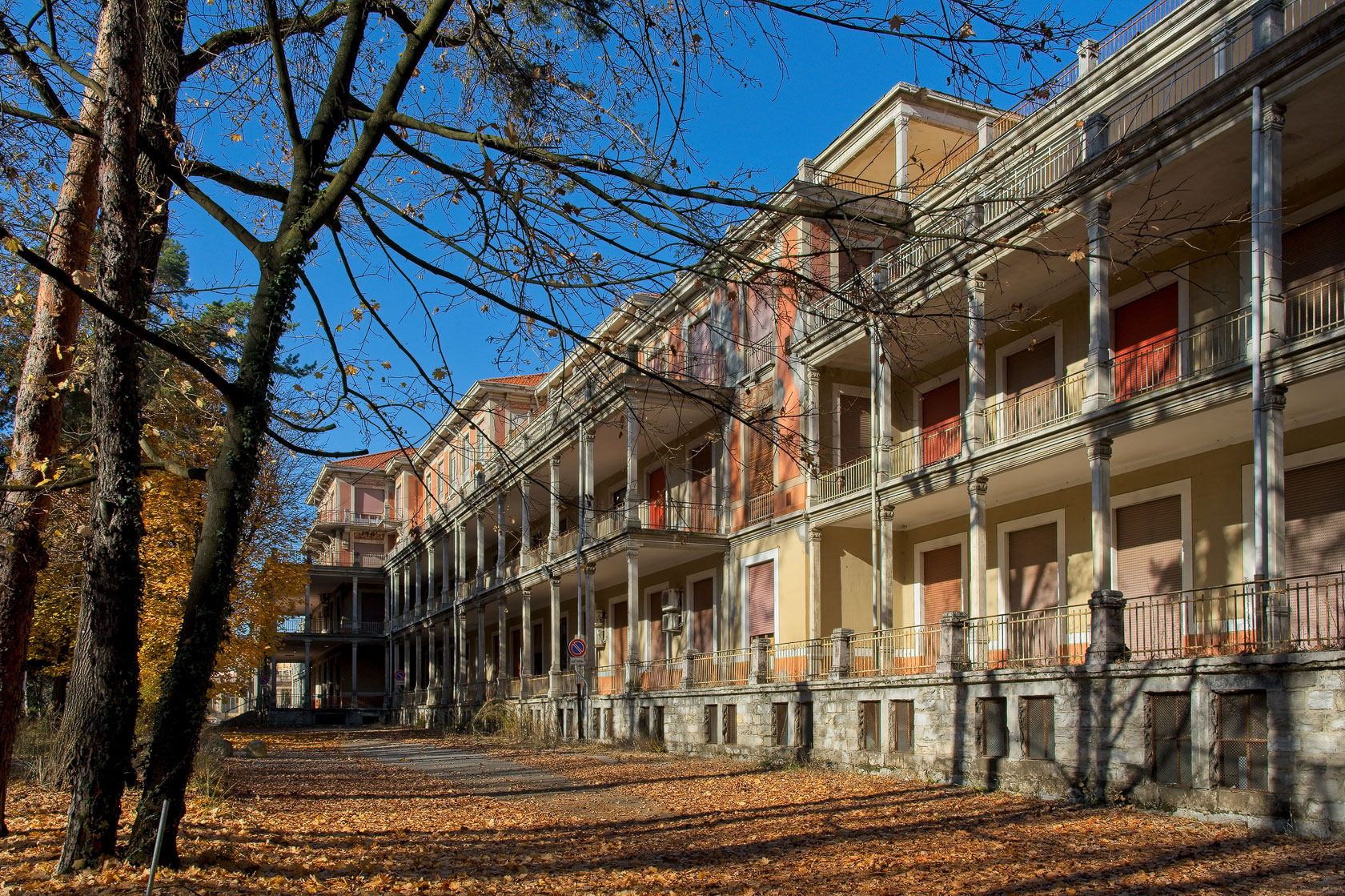
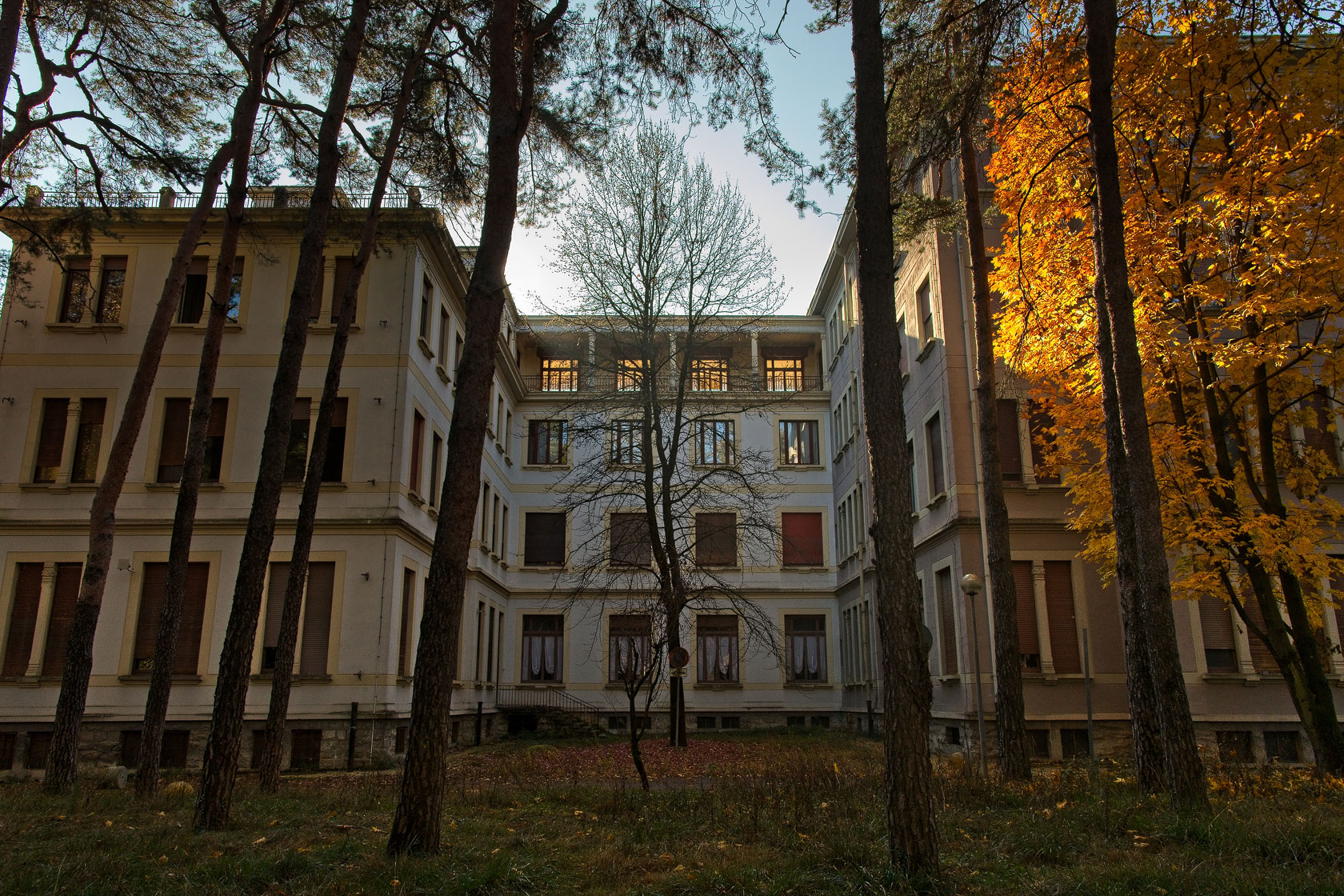
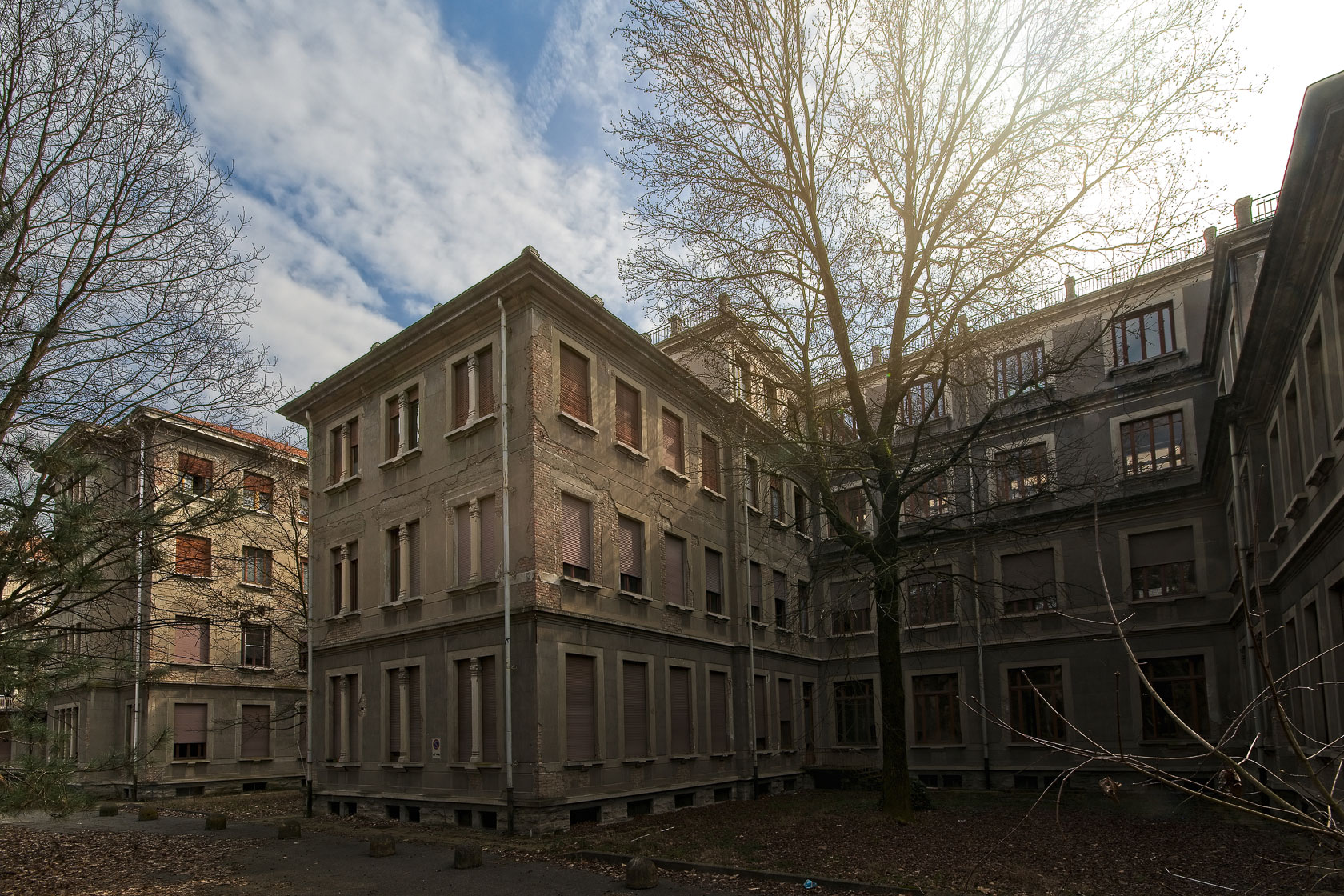
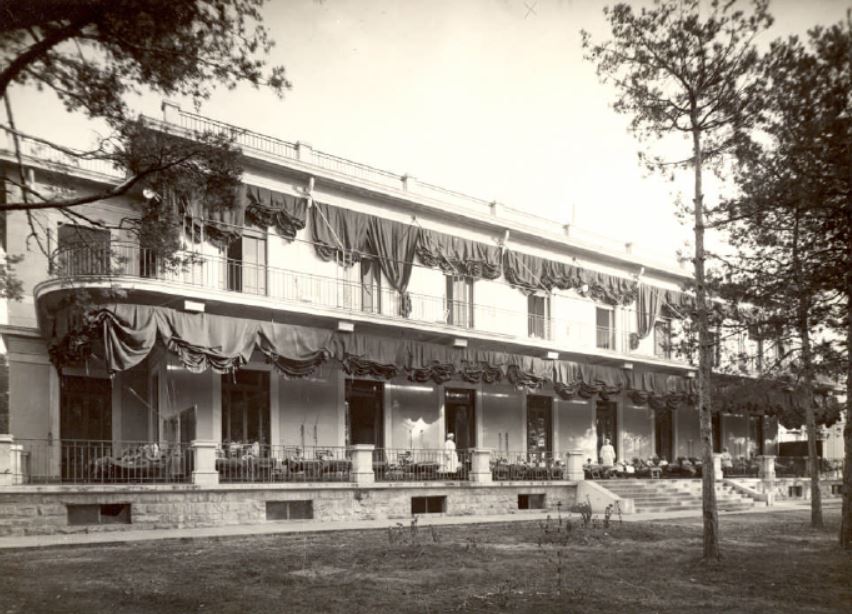
The structure we are talking about in this article was inaugurated in 1924 with the aim of hospitalising the sick TBC patients of the Municipality of Milan. Built in elegant Art Nouveau style, it stood just a few kilometres from Milan, far from large population agglomerations, busy roads and establishments that could alter the purity of the air. The place chosen was also on the edge of a large wood and a pinewood that protected it from the winds. The climate was constantly less hot than in the city, better ventilated in summer and less foggy in autumn. Enlarged during the following years, in 1930 it could count on about 1000 beds. Like all sanatoriums there was also a church, which in this case was particularly important and was connected by corridors to the sanatorium so that the patients did not have to go outside.
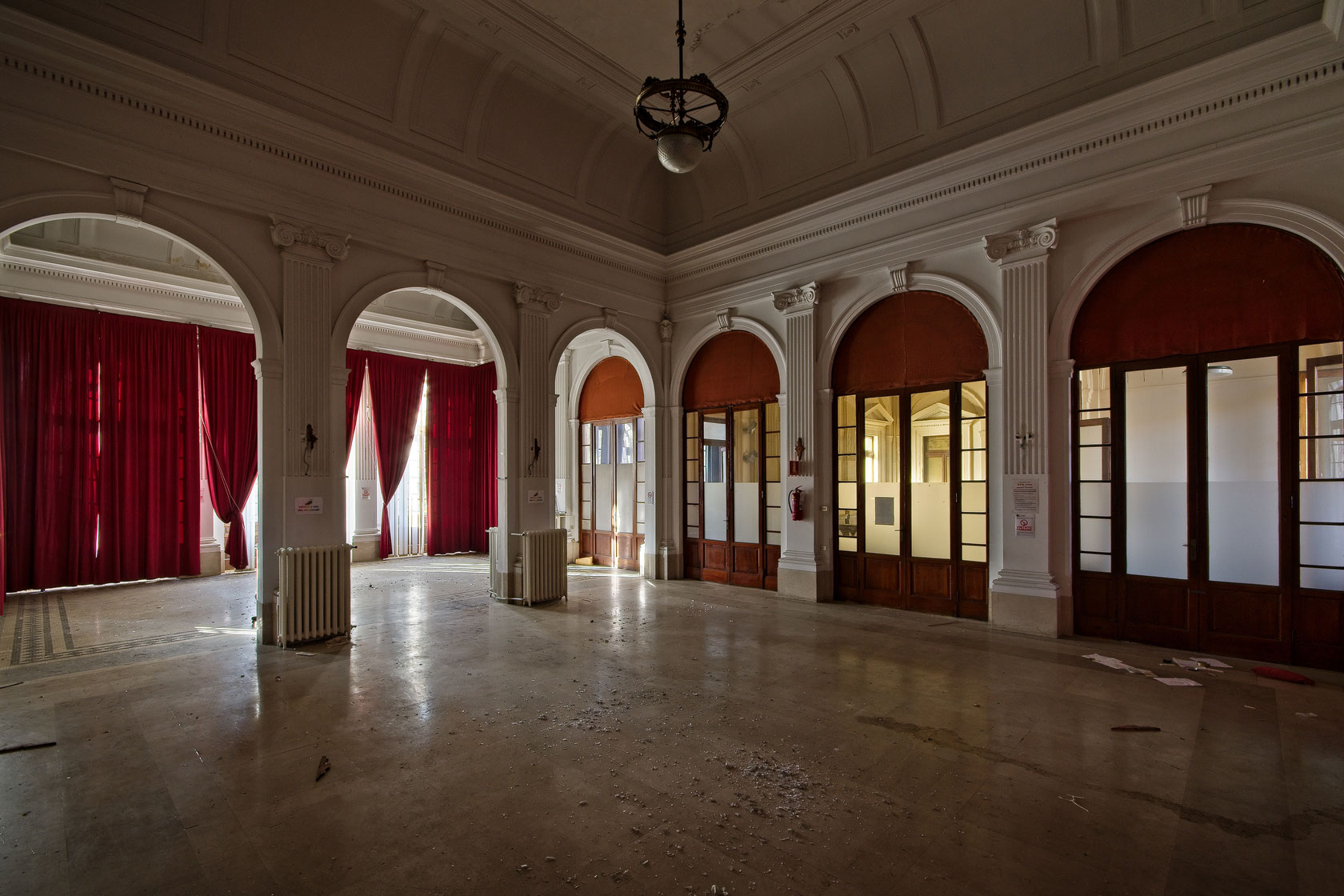
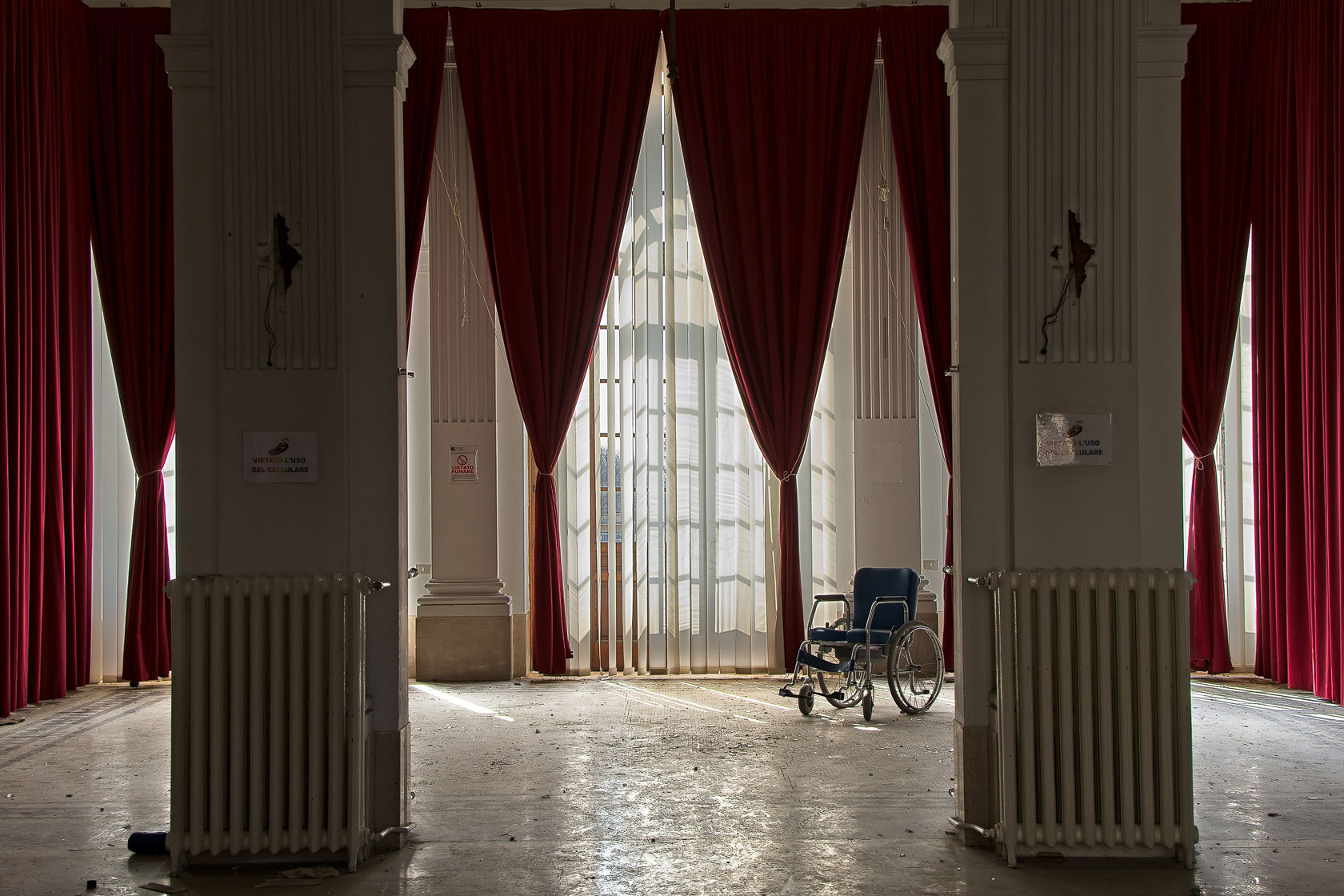
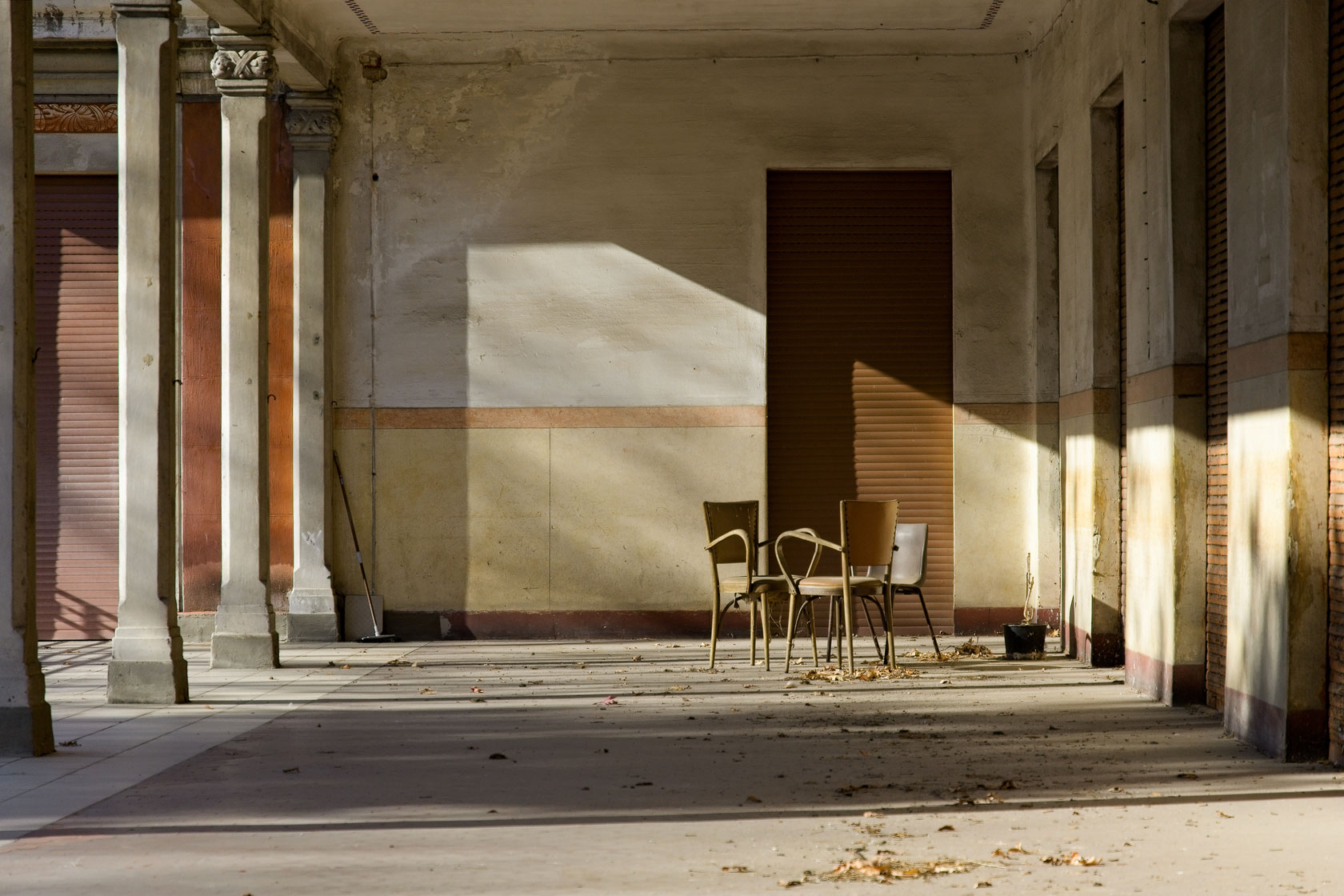
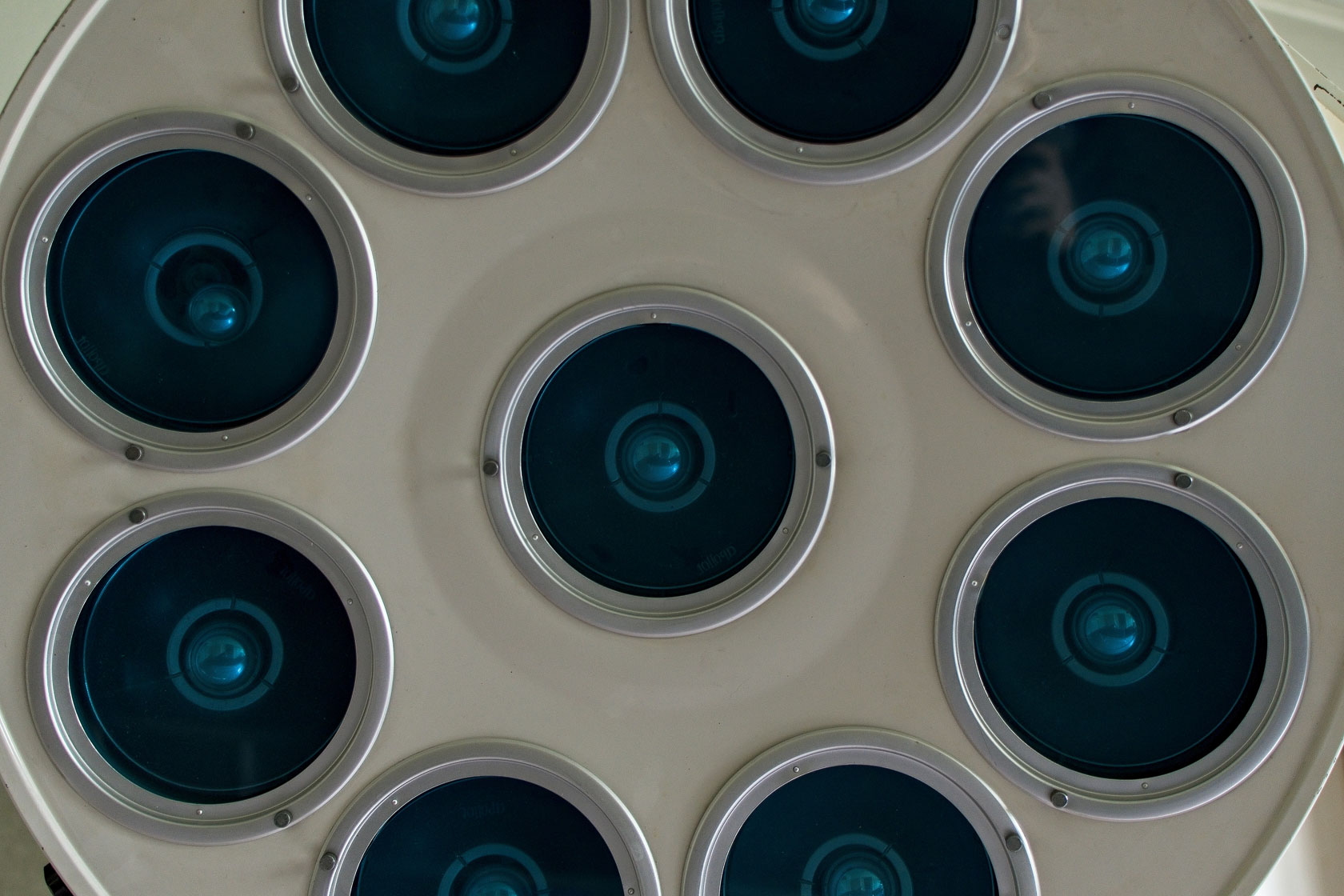
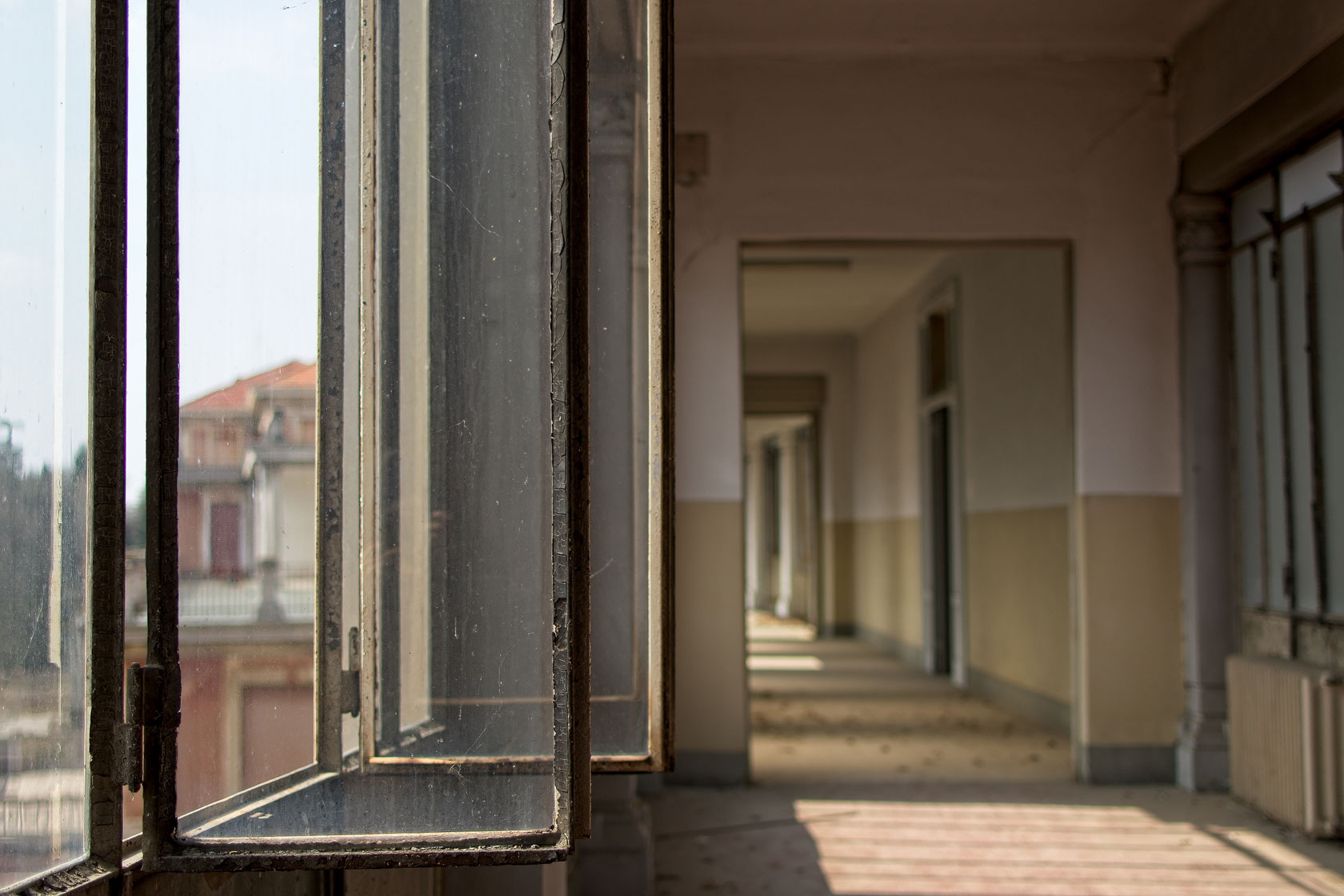
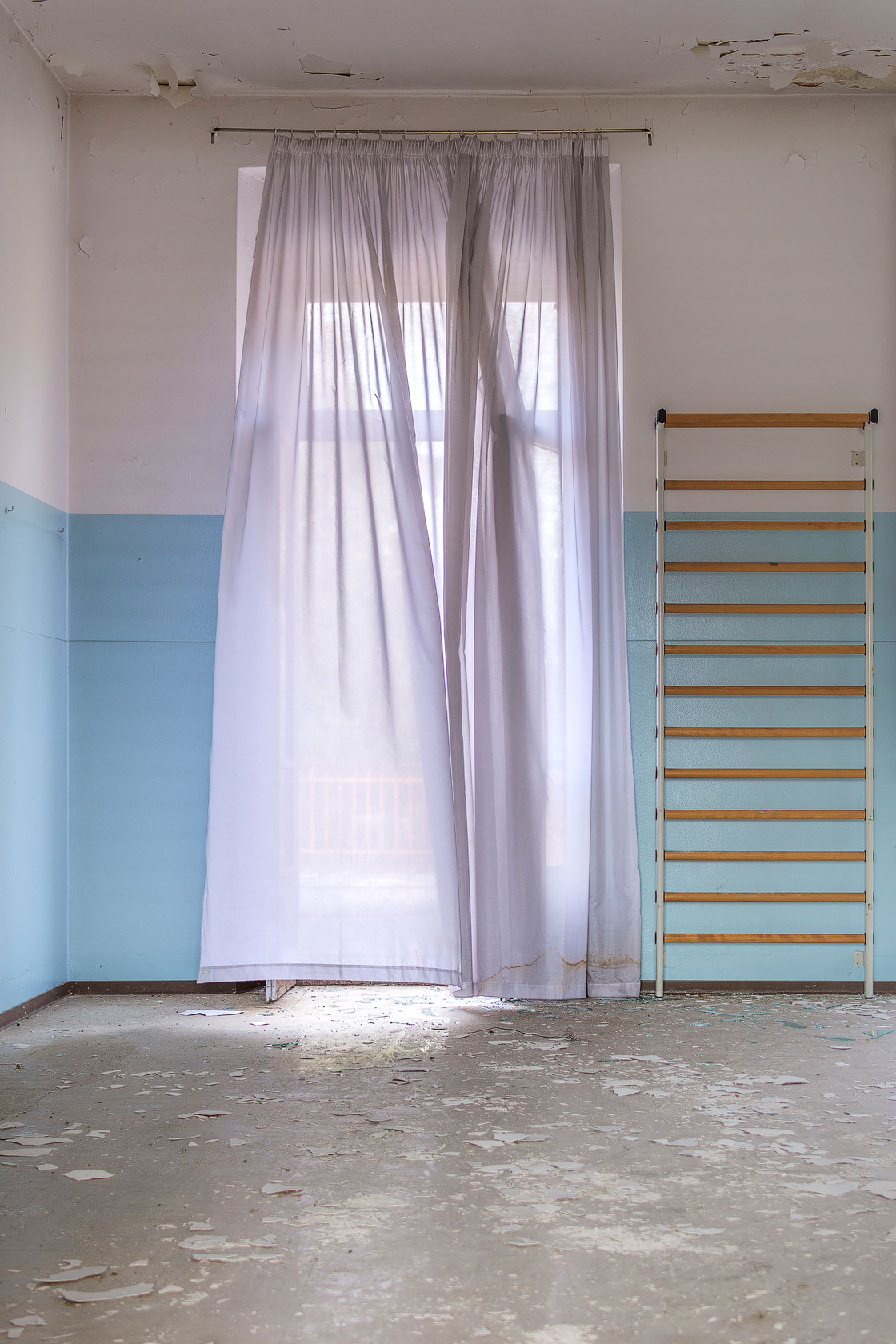
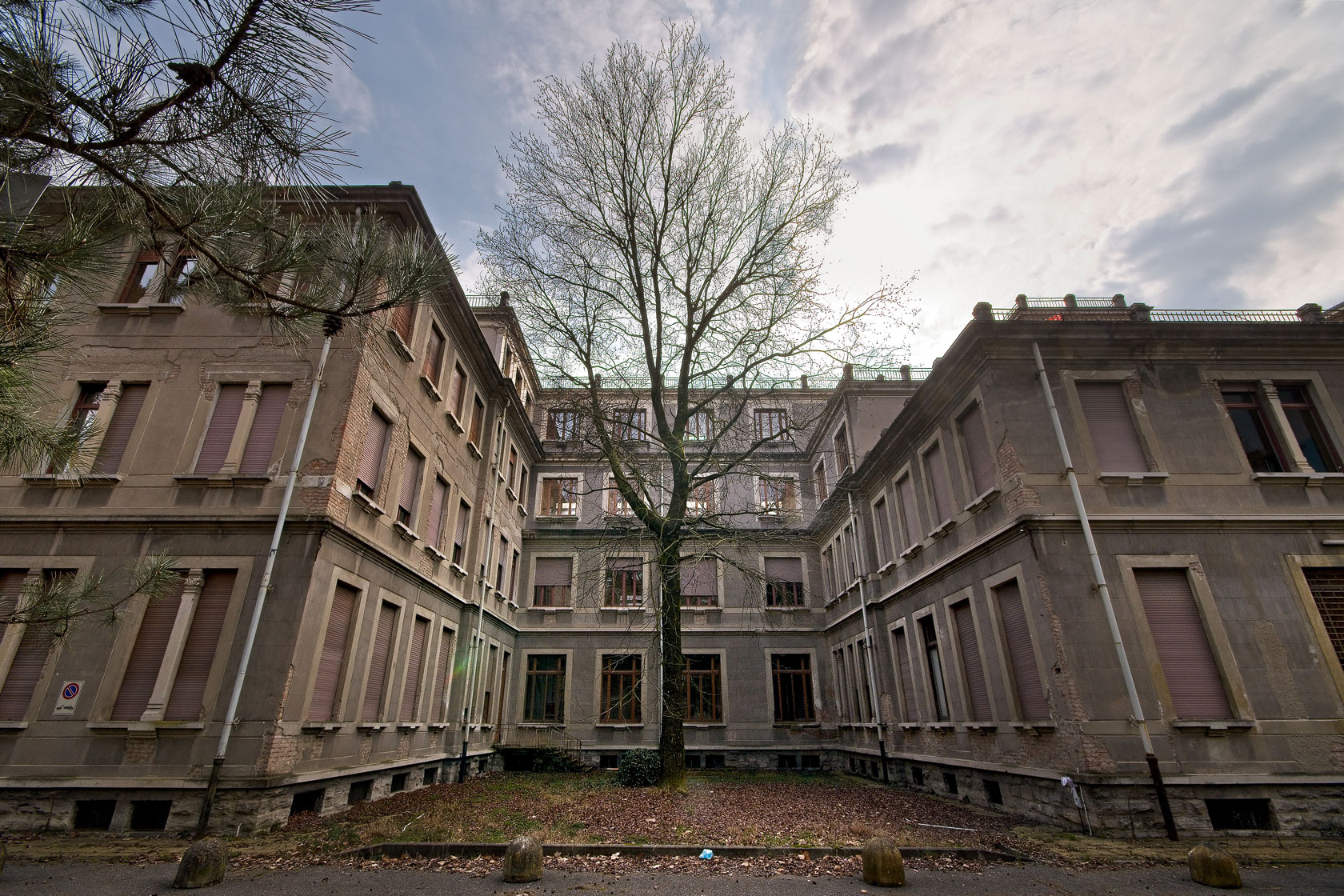
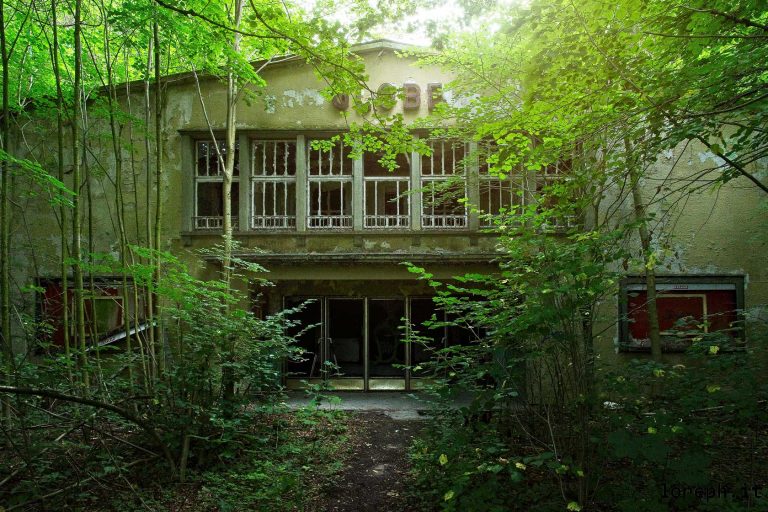
Starting in the 1950s, following the contraction of the sanatorium sector due to the advent of the antibiotic era, beds were gradually converted to hospital requirements until the 1970s when the structure became a fully-fledged hospital. The hospital continued in its function for many more years until in the early 2000s when it was decided to build a new hospital, because it was more in line with modern hospital concepts. The decision to build a new structure instead of modernizing the old one sparked a lot of debate but in the end the new hospital was inaugurated in 2015, right next to the old one which was left from one day to the next in disuse, abandoned and unattended, at the total mercy of thieves and vandals.
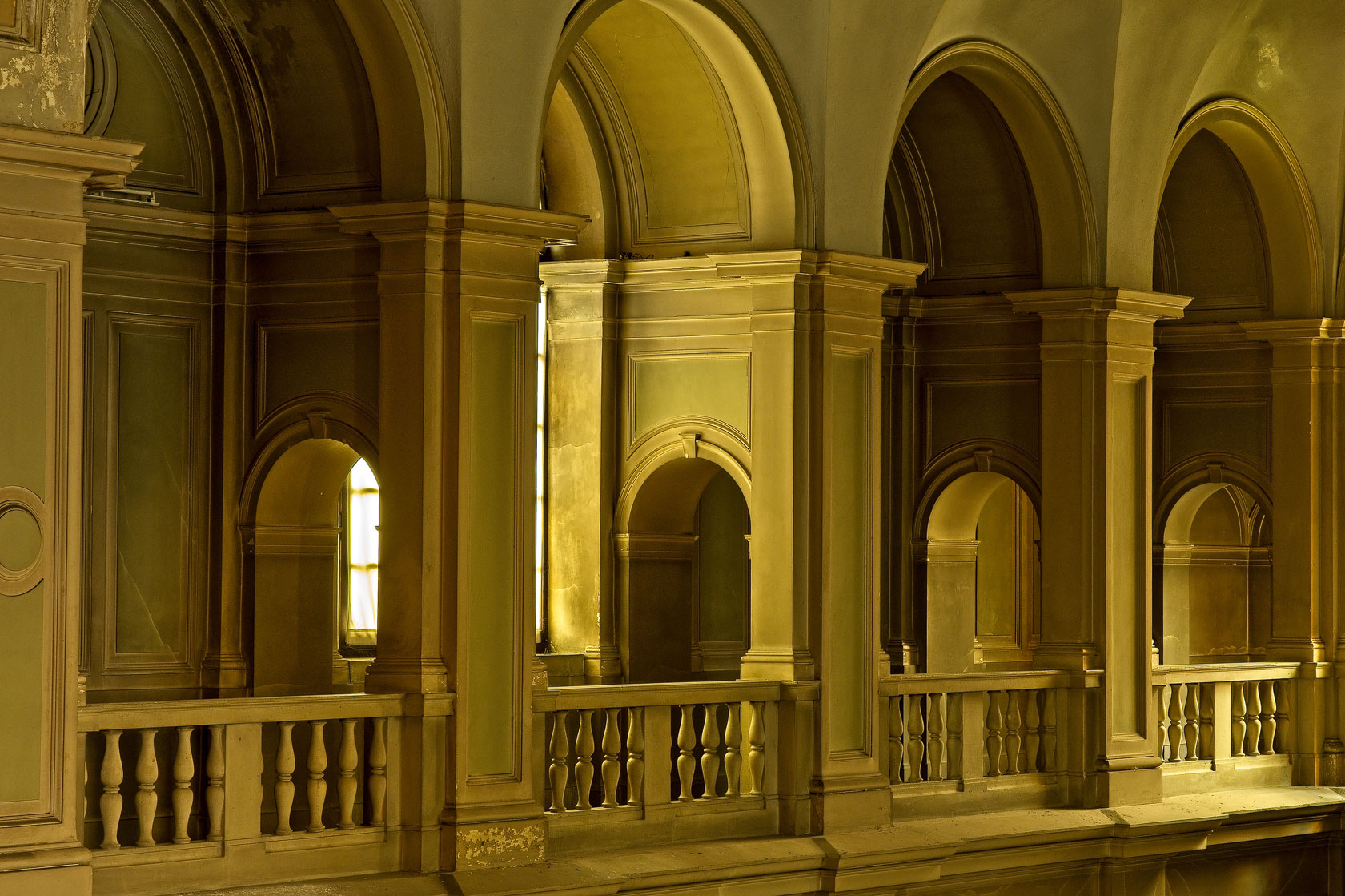
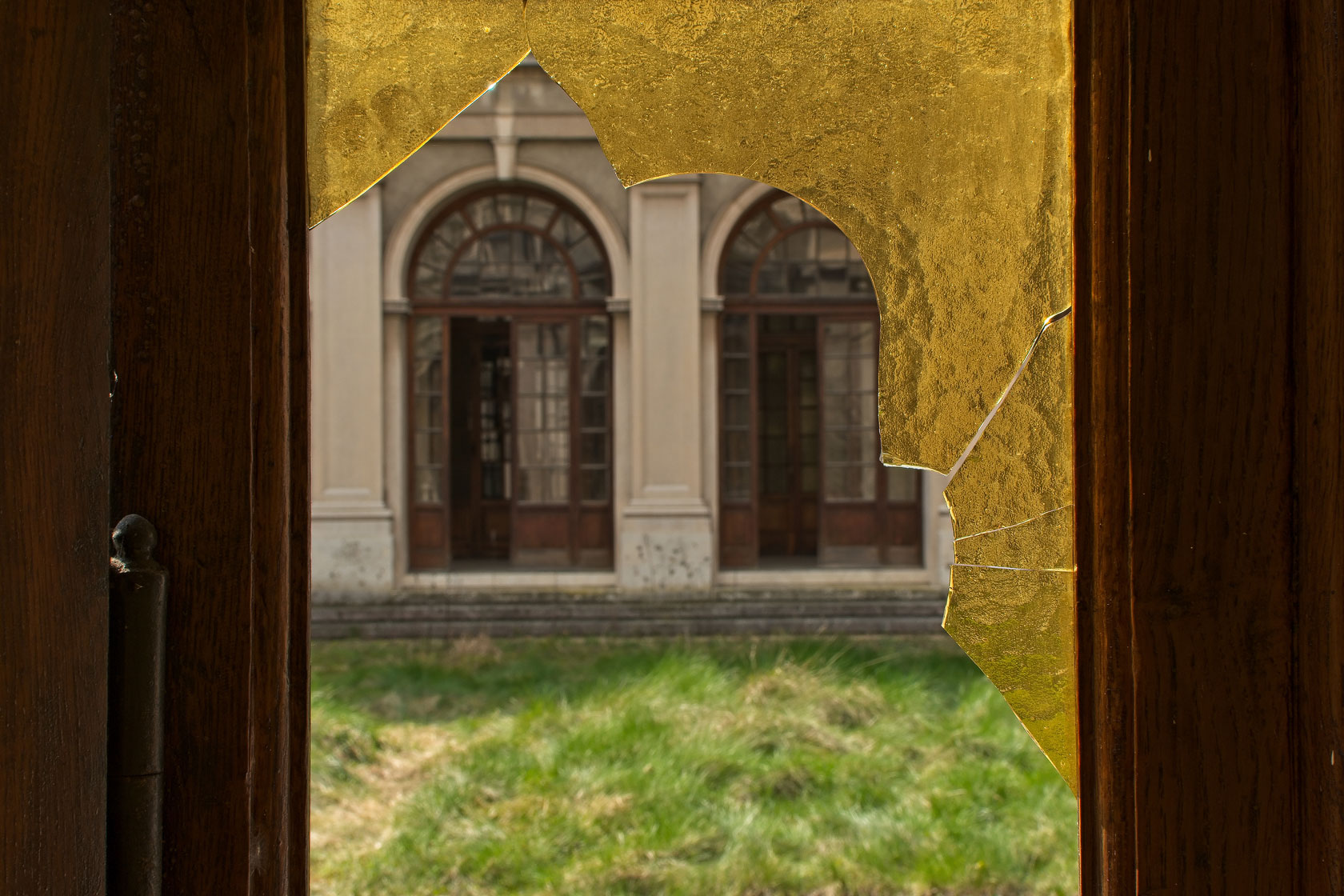
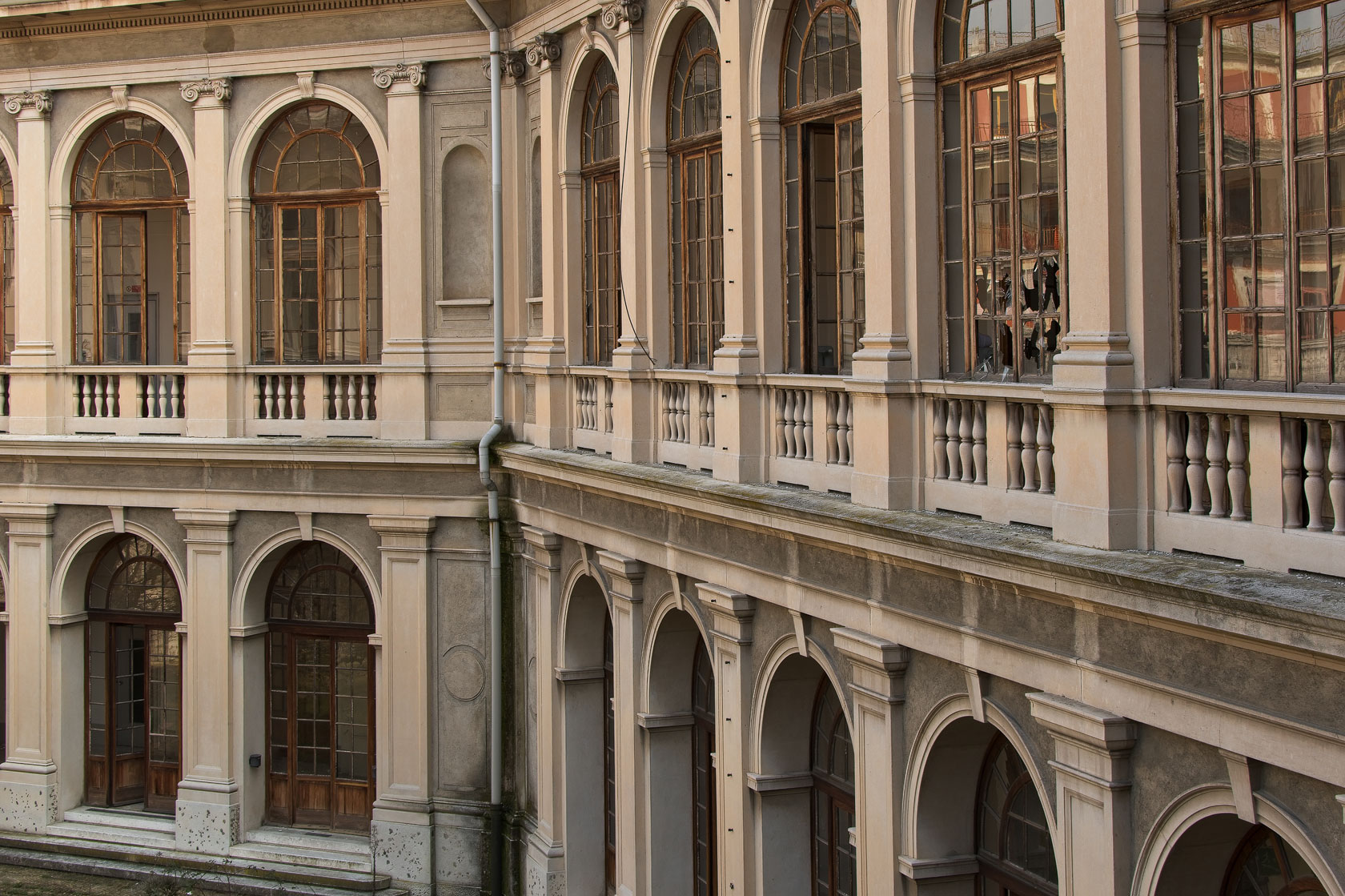
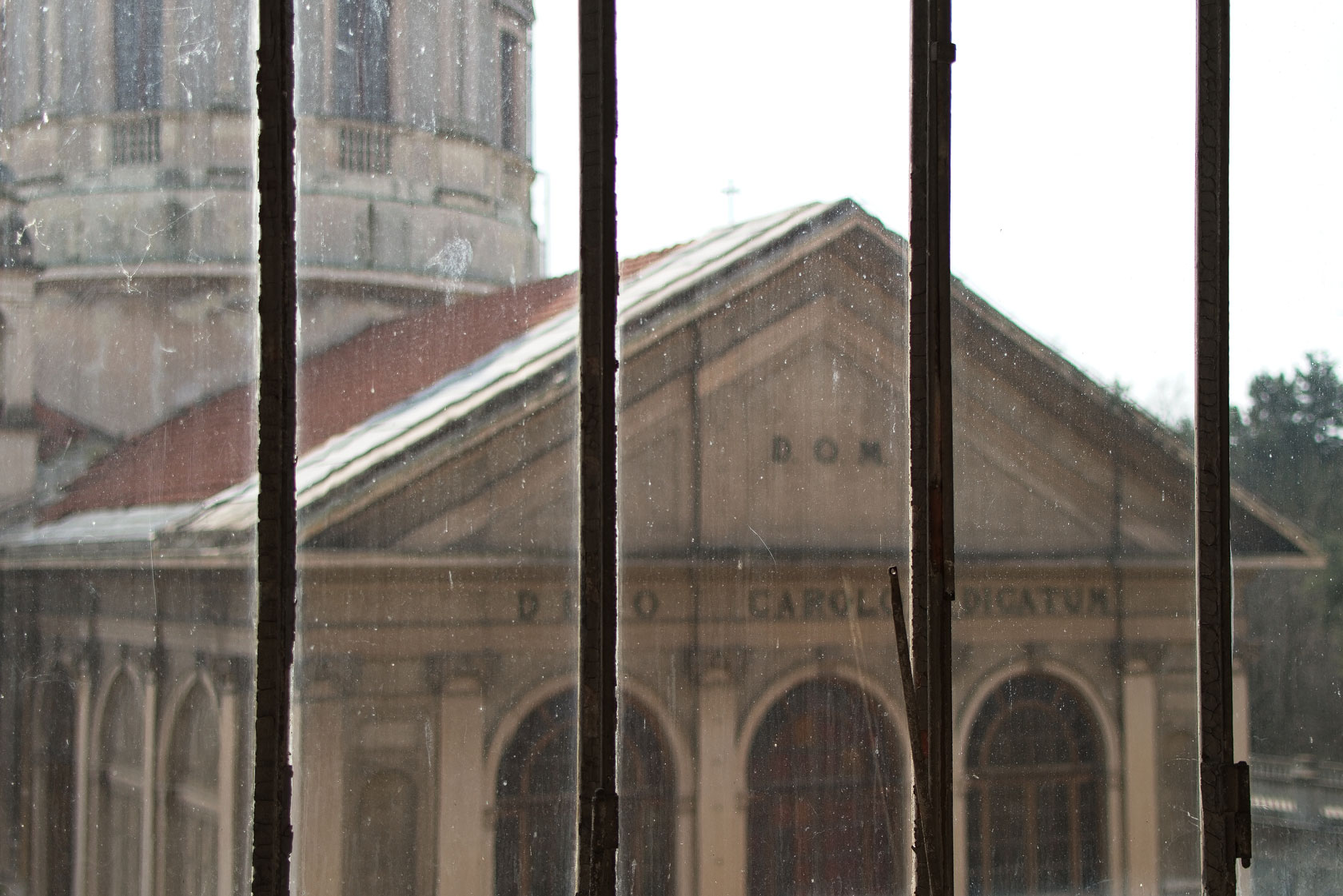
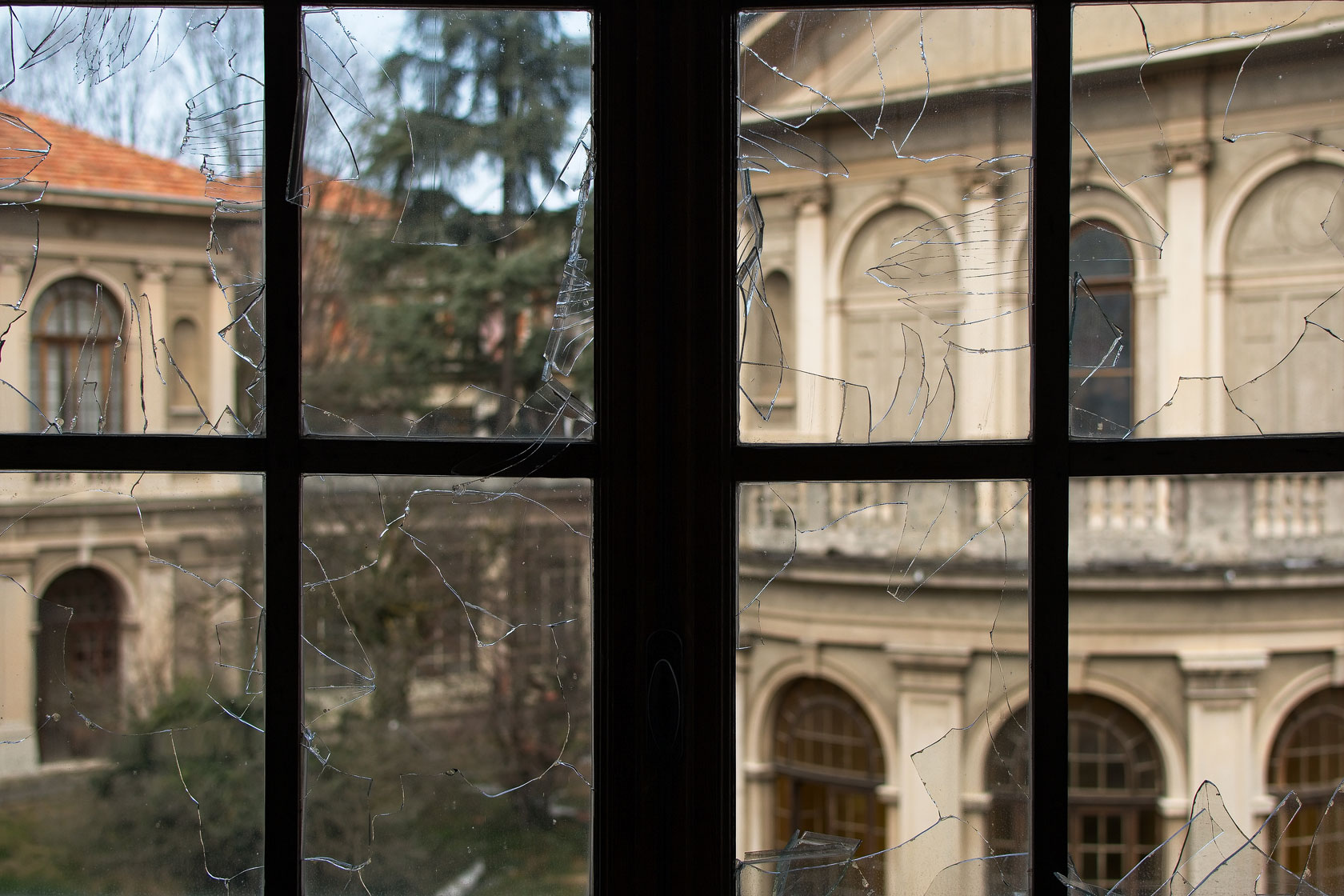
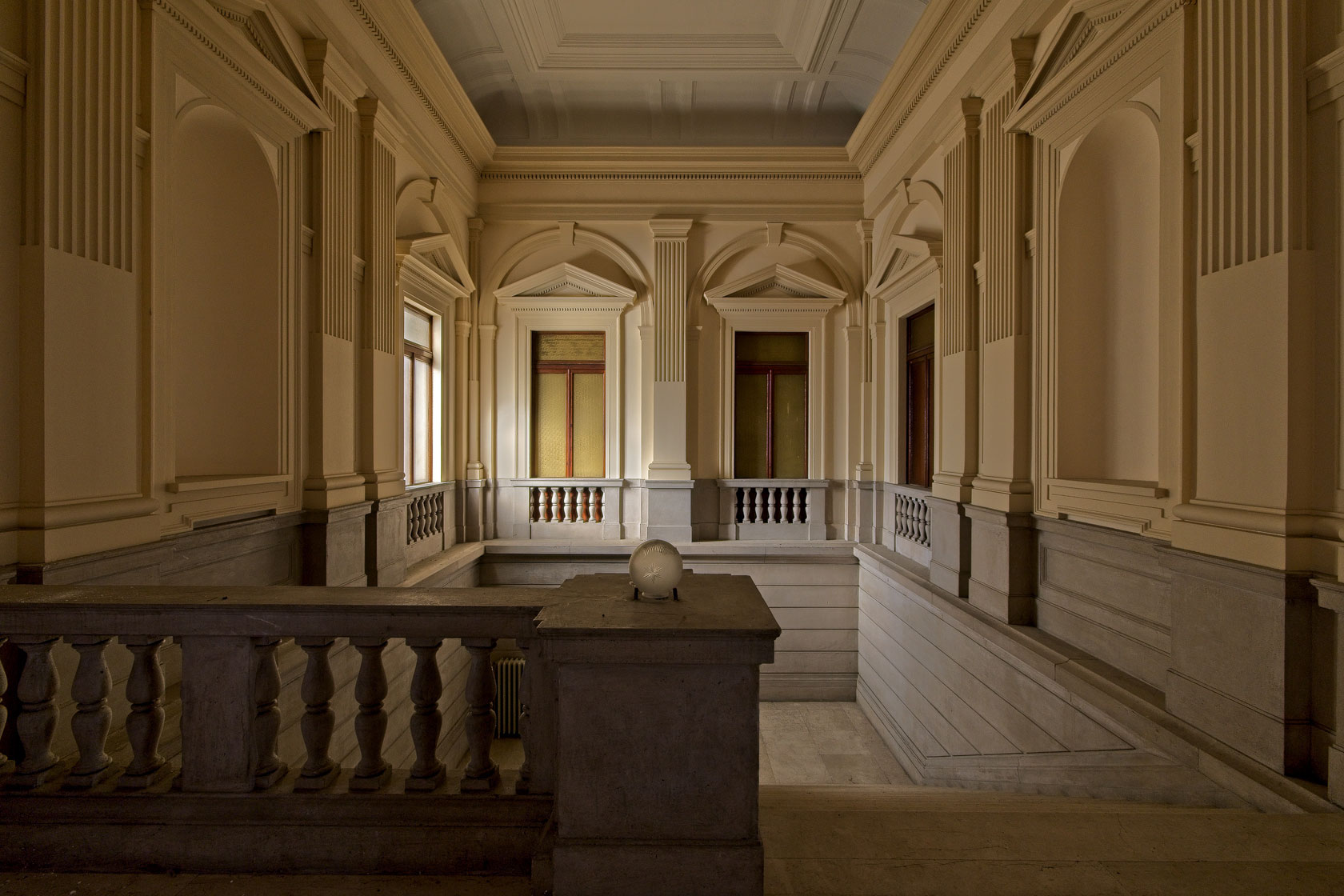
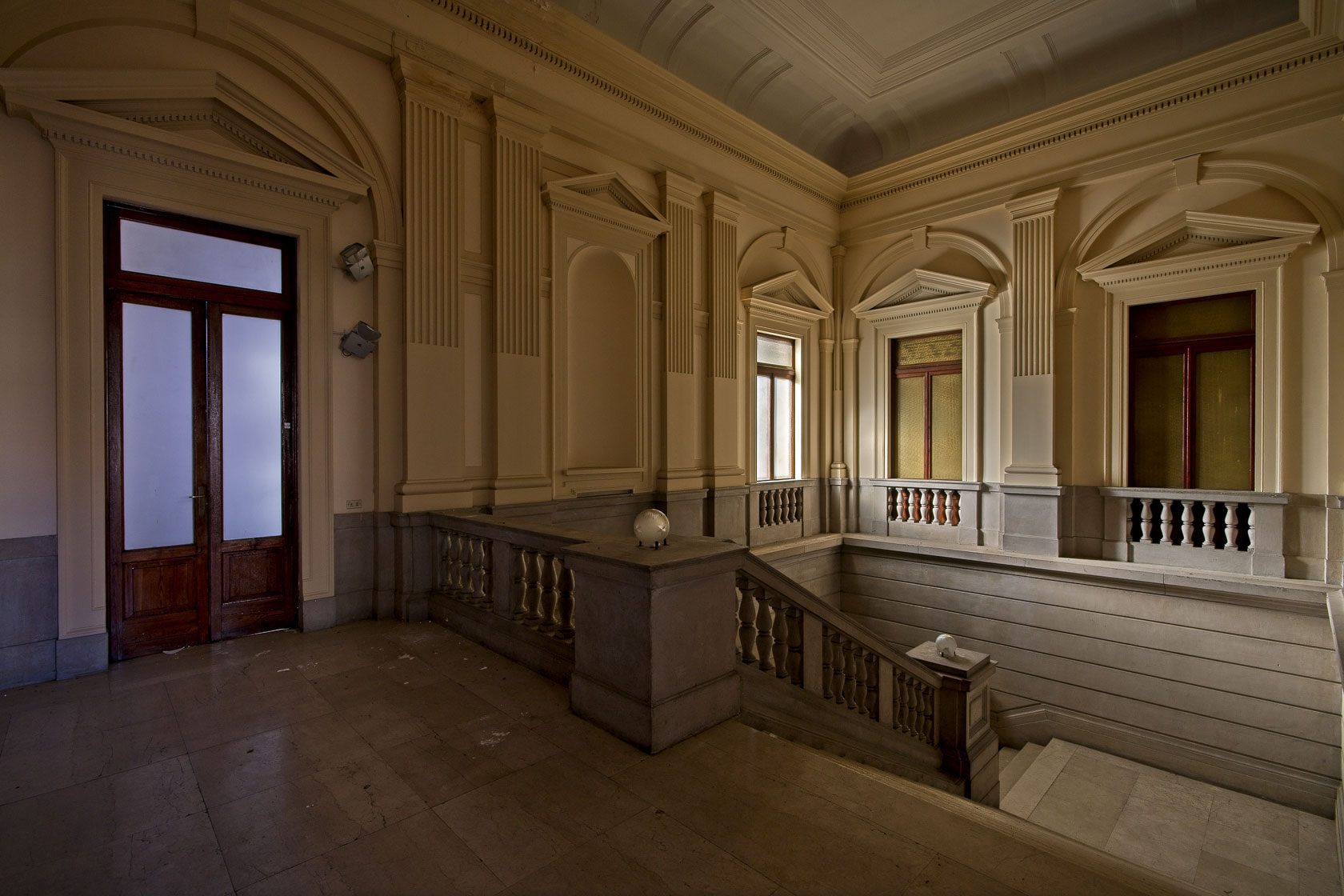
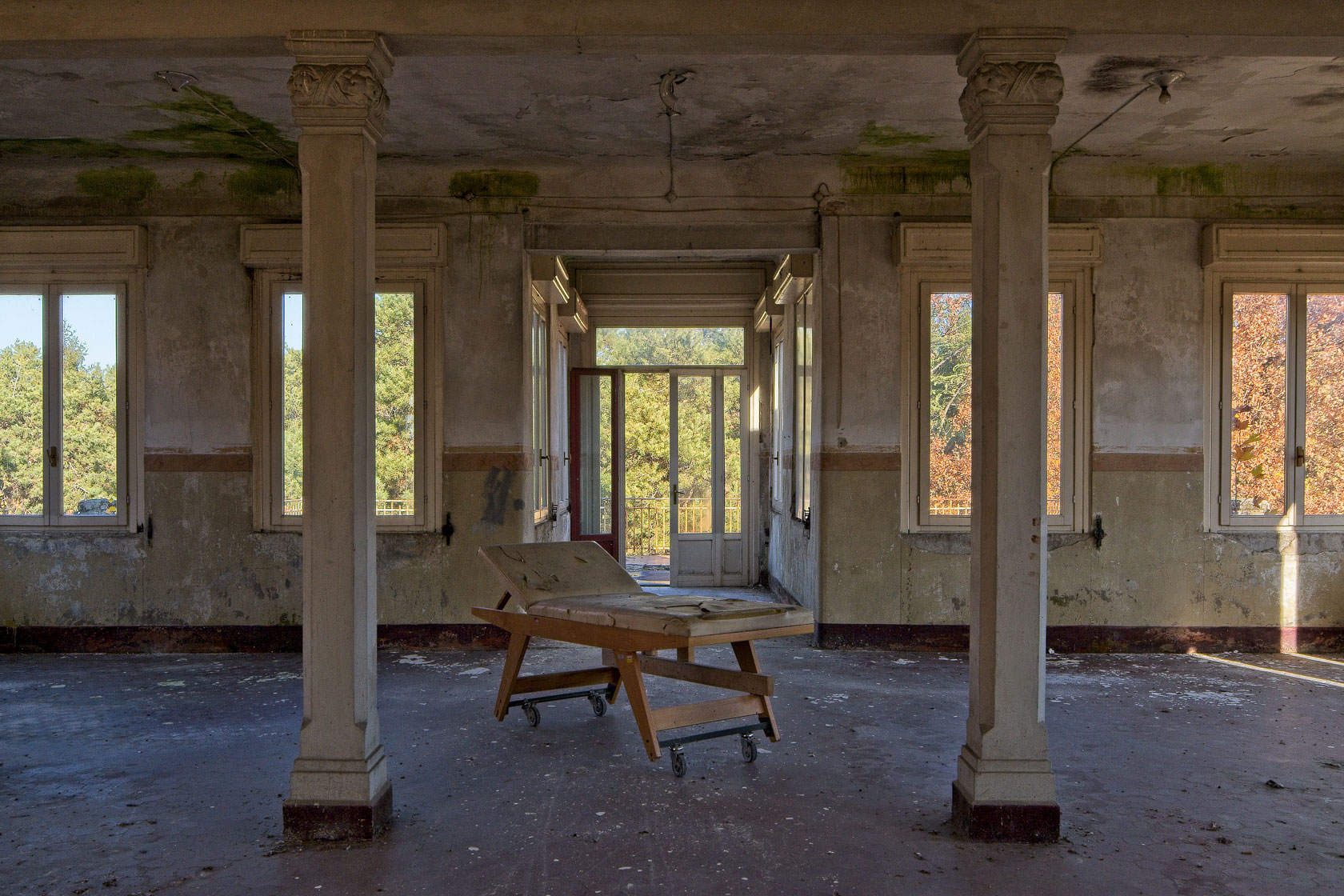
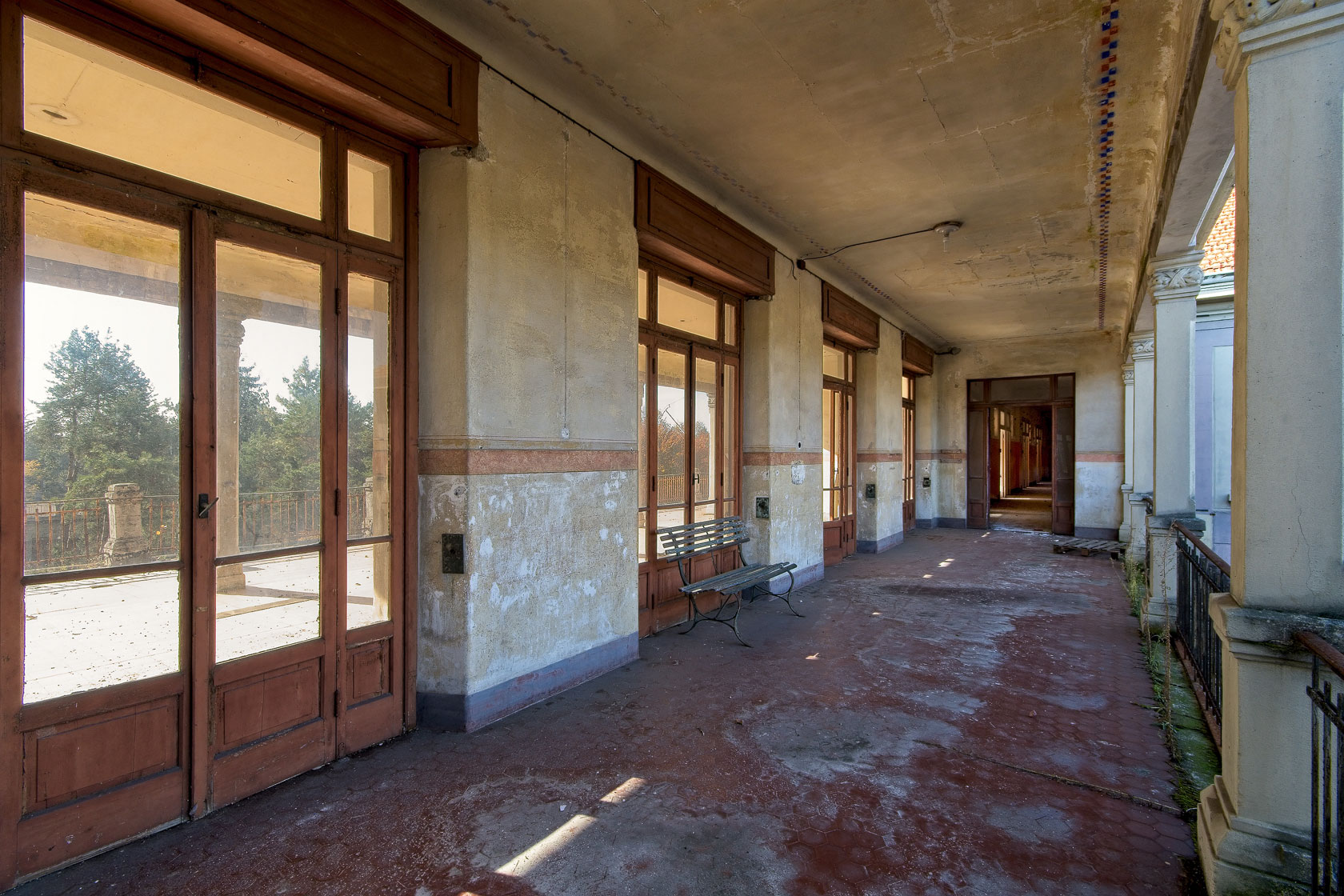
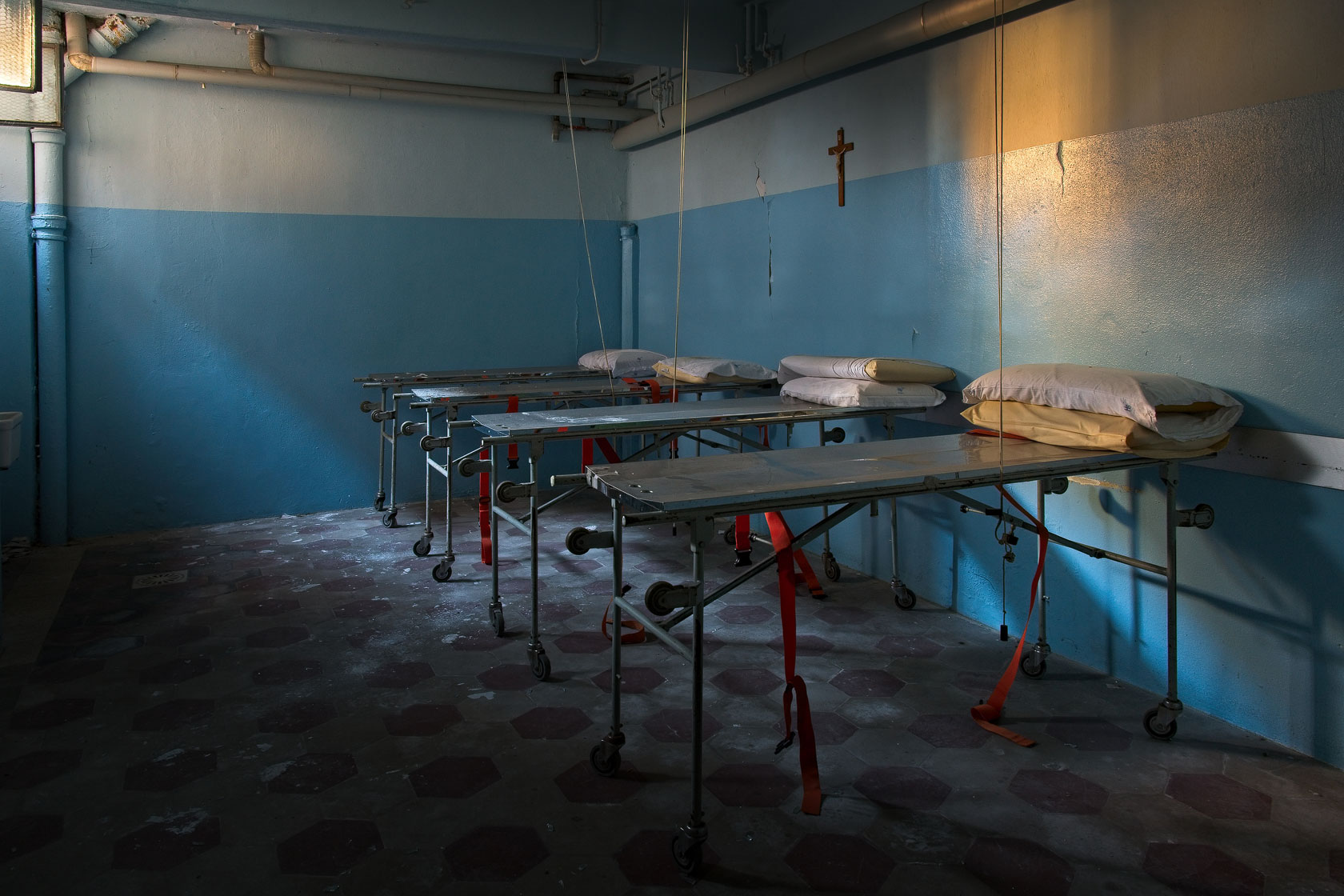
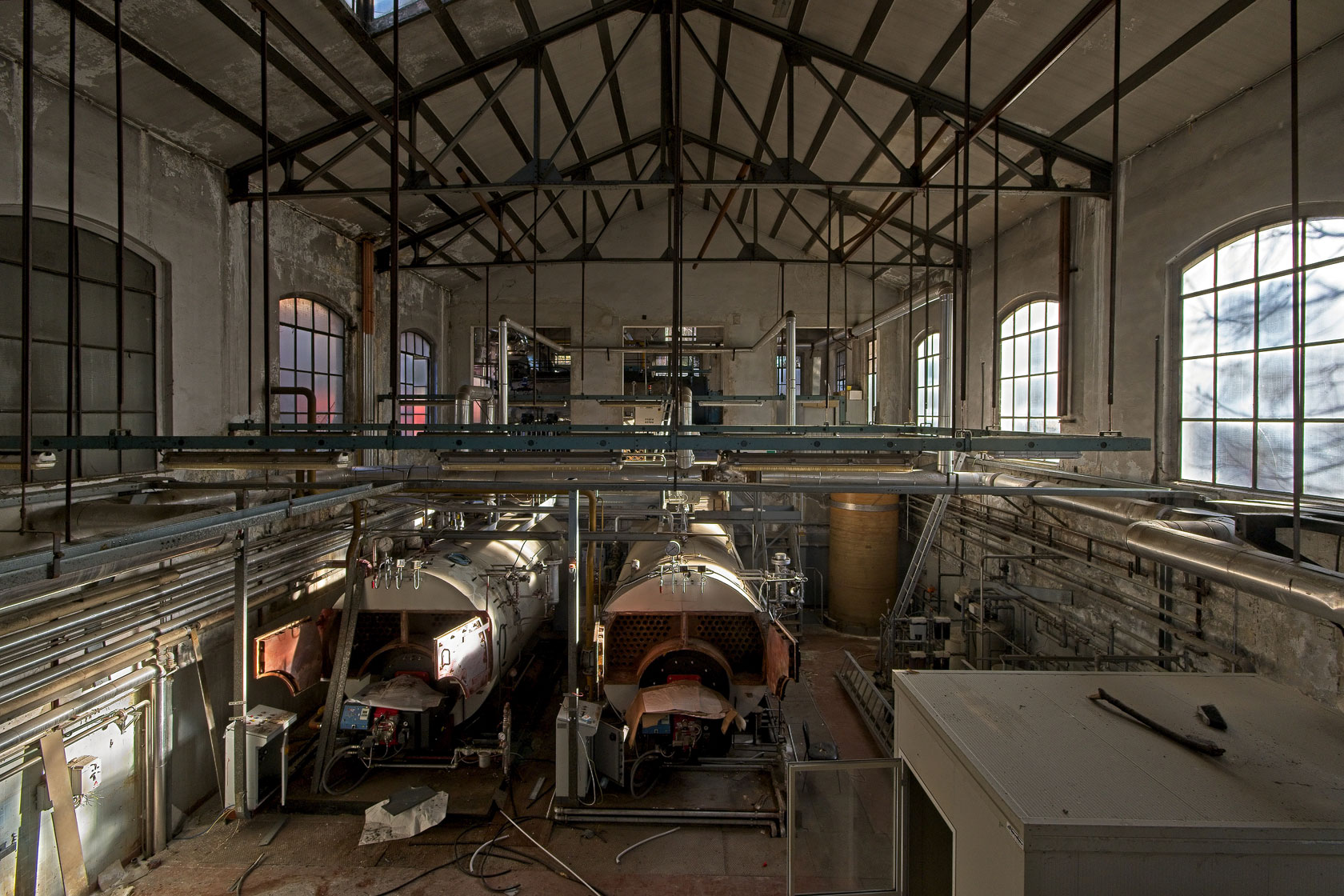
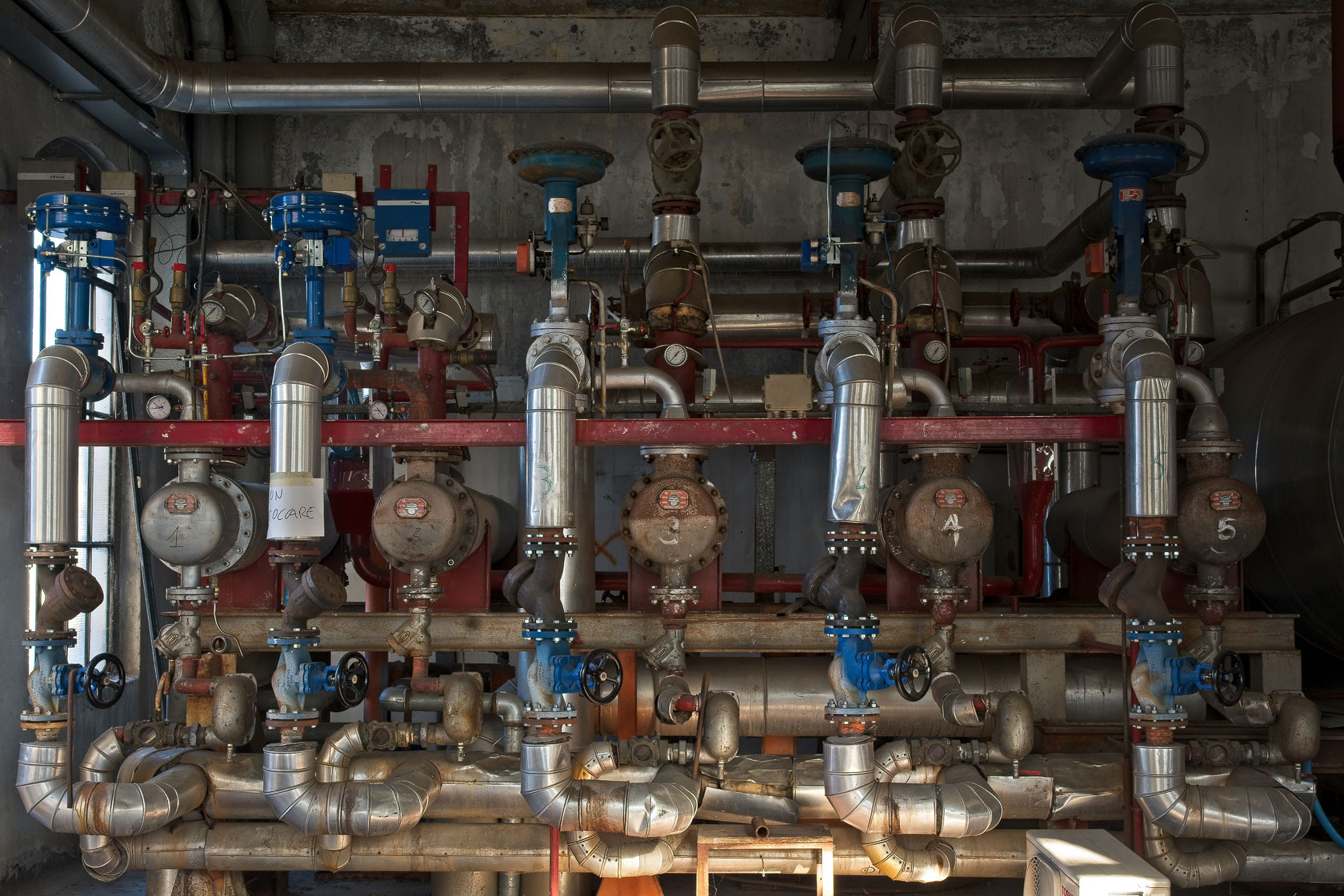
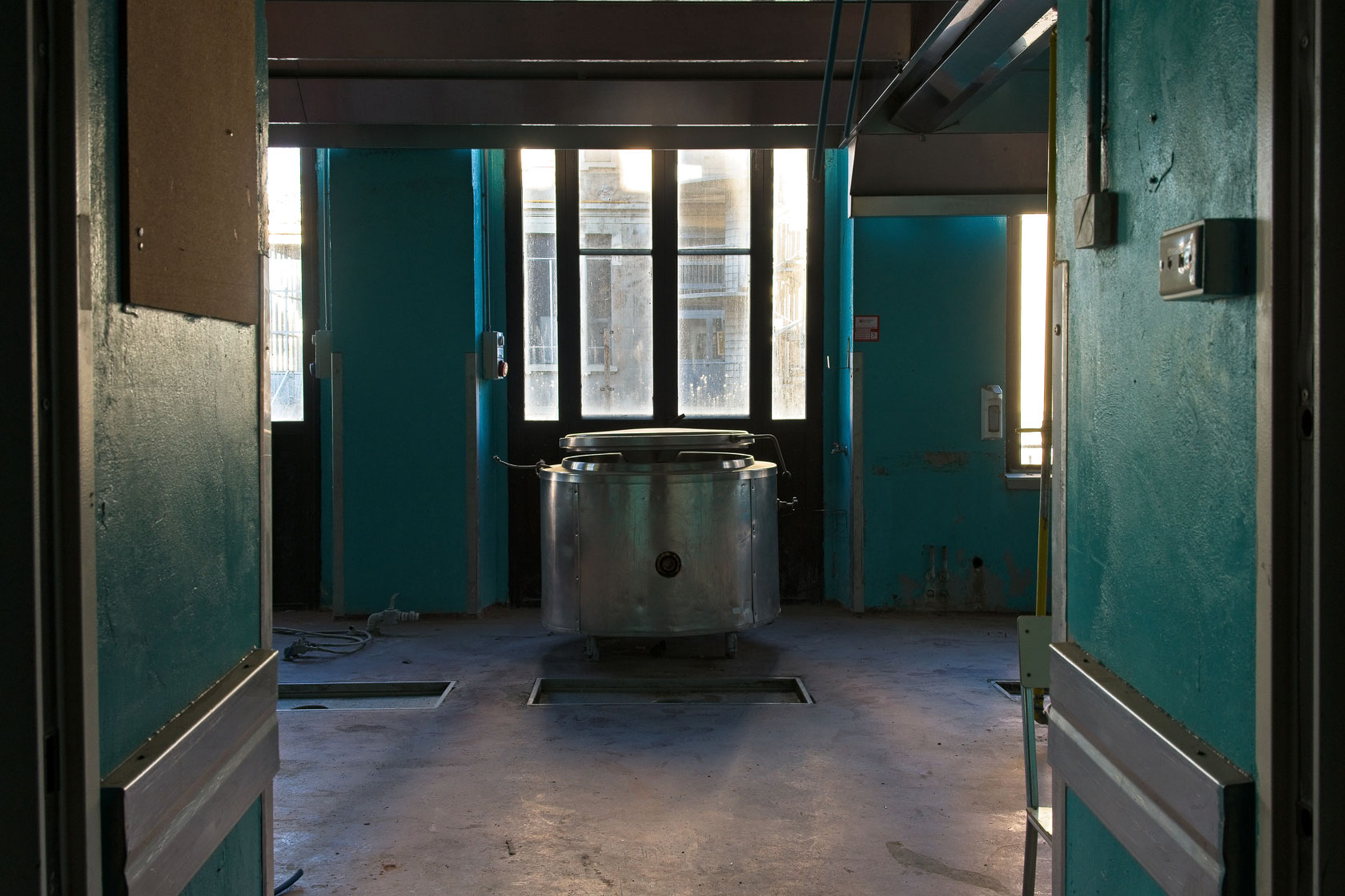
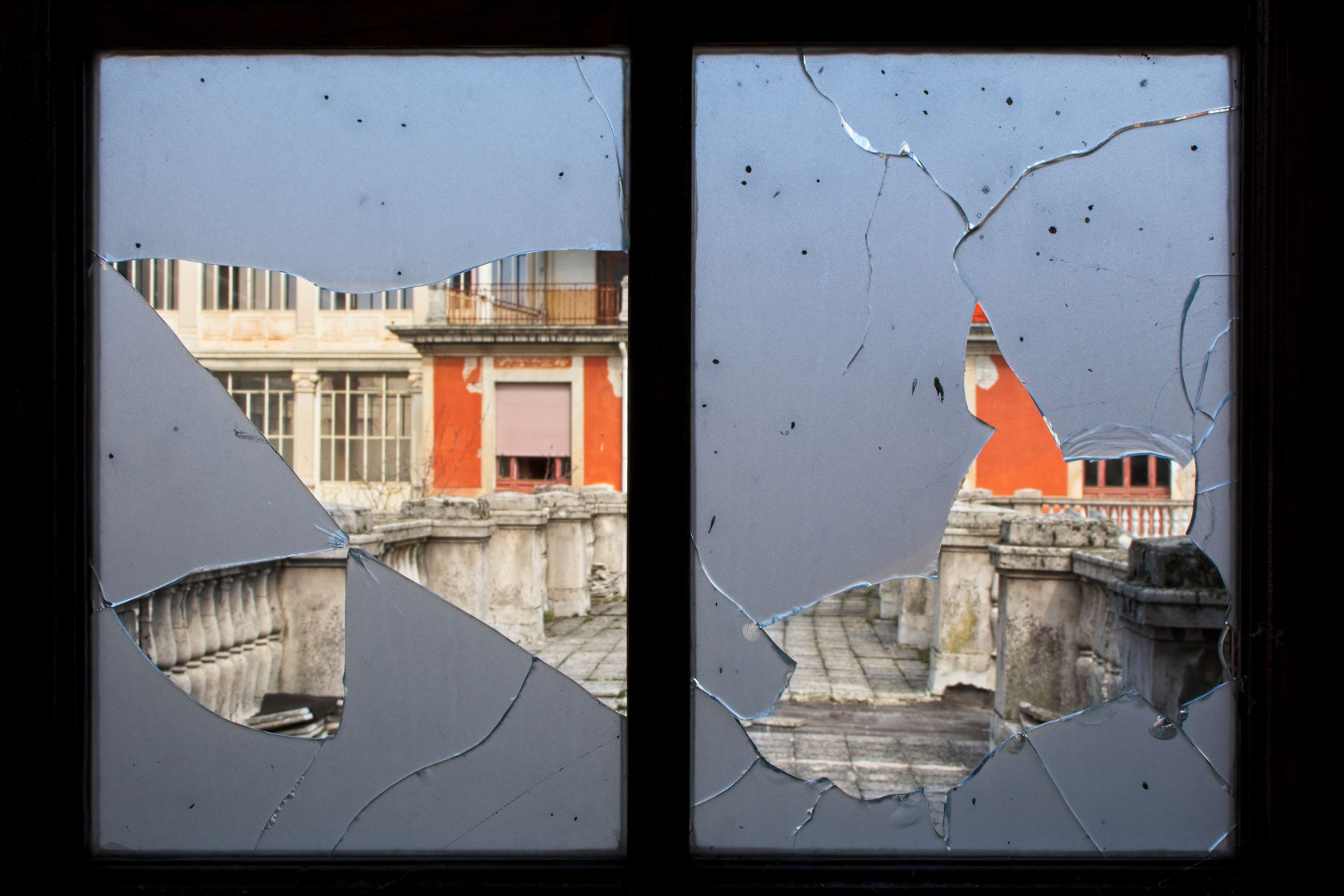
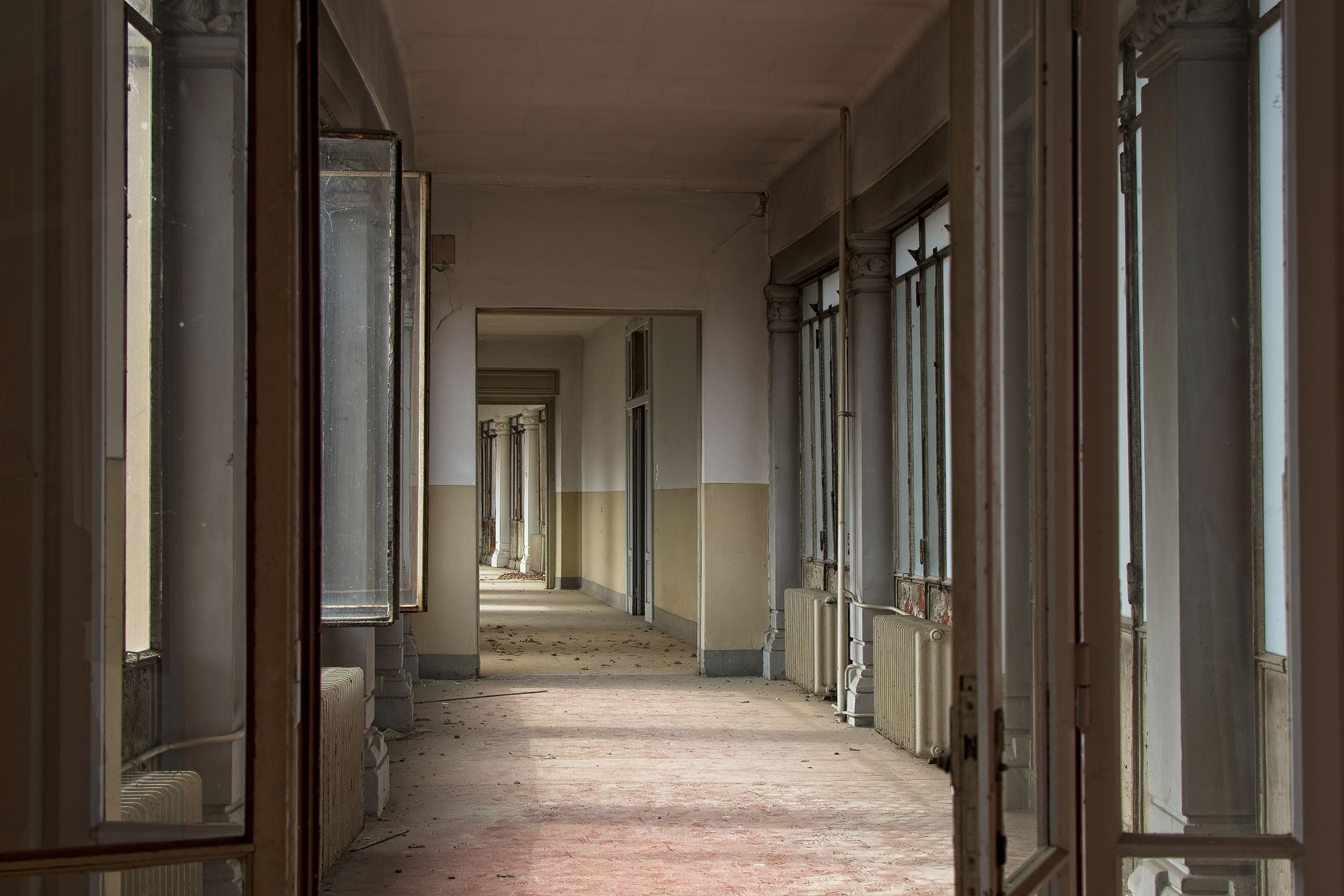
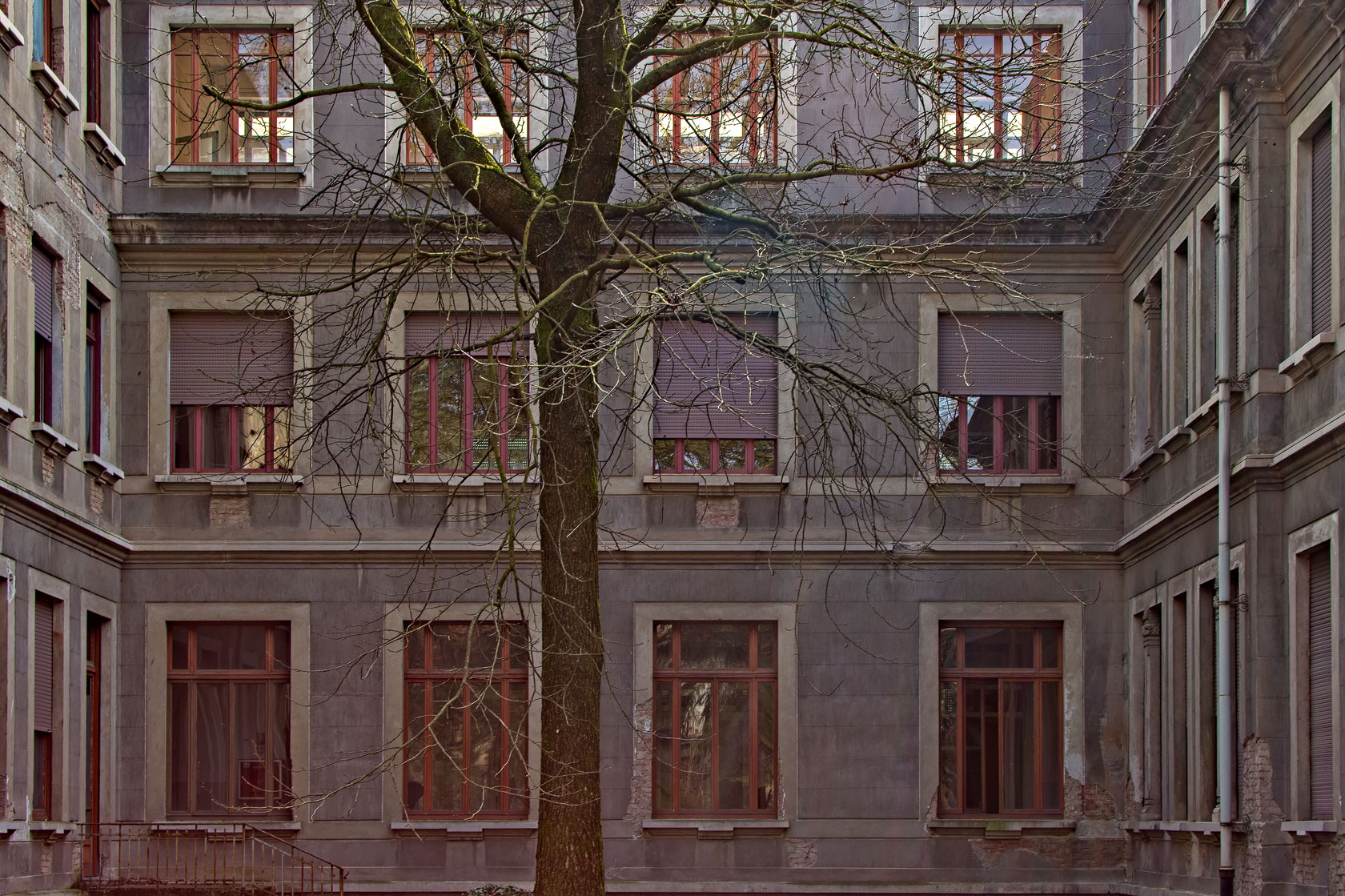
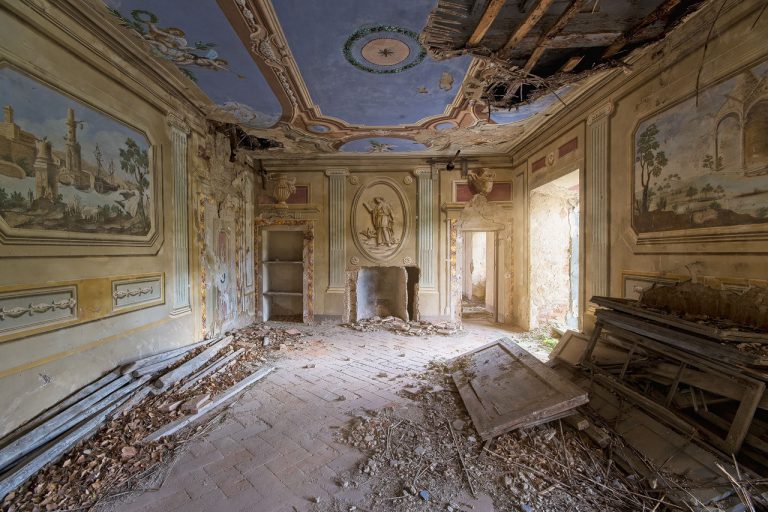
The photos you can see in this gallery were taken in various visits not long after the closure of the hospital. Unfortunately, at present the structure has been depraved of everything that could be stolen, including the heavy cast iron radiators and the marbles of the stairs and the church; the pews of the church were set on fire, copper was stolen from the roof and finally bored kids meticulously broke every single window glass. A real pity for a historic structure that could have been recovered and used for new purposes.